


India Rejects Sanctioned Russian LNG Amid Rising Energy Security Concerns Over Middle East Crisis
India avoids sanctioned LNG despite rising fuel concerns
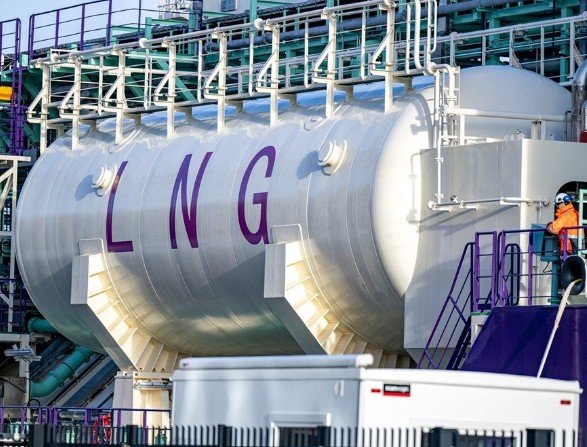
India, May 12 : India has reportedly refused to accept liquefied natural gas (LNG) shipments linked to Russian projects facing United States sanctions, even as fears over energy supply disruptions intensify due to escalating tensions in the Middle East.
The decision highlights New Delhi’s cautious approach toward international sanctions while trying to secure stable fuel supplies for its rapidly growing economy. The development comes at a time when global energy markets remain volatile following the ongoing conflict in the Gulf region.
According to reports, the matter was discussed during Russian Deputy Energy Minister Pavel Sorokin’s recent visit to New Delhi on April 30, where he met Union Petroleum and Natural Gas Minister Hardeep Singh Puri and other senior officials. Sources indicated that further negotiations between both sides could take place in June as Russia continues efforts to expand energy cooperation with India.
India avoids sanctioned LNG despite rising fuel concerns
India has maintained strong energy ties with Russia over the past few years, especially through discounted crude oil purchases. However, officials appear unwilling to risk secondary sanctions or legal complications linked to LNG cargoes originating from blacklisted Russian facilities.
Unlike crude oil shipments, LNG cargoes are more transparent and easier to trace through international maritime tracking systems. This makes it significantly harder for importing countries or companies to avoid scrutiny from regulators and global financial institutions.
Sources familiar with the discussions said India is open to purchasing Russian LNG supplies that are not directly covered by Western sanctions. However, a large portion of Russia’s unsanctioned LNG production is already committed under long-term agreements with European and Asian buyers.
Russian cargo remains stranded near Singapore
One LNG shipment connected to Russia’s sanctioned Portovaya LNG project has reportedly remained in limbo after India declined to receive the cargo.
The tanker Kunpeng, carrying nearly 138,200 cubic metres of LNG, had initially identified Dahej LNG terminal in Gujarat as its intended destination in April, according to shipping data. The vessel is now reportedly positioned near Singaporean waters without publicly displaying its next port of call.
Market sources stated that despite paperwork indicating the cargo may not have originated from Russia, international tracking systems were still able to identify the shipment’s origin. This reportedly complicated attempts to complete the delivery quietly.
The Portovaya LNG plant in the Baltic region is among several Russian energy facilities facing sanctions imposed by the United States and its allies over the Ukraine conflict.
LNG shipments face tighter global scrutiny
Industry experts note that LNG cargoes are far more difficult to reroute or disguise compared to crude oil shipments. Crude cargoes can sometimes change ownership through ship-to-ship transfers in international waters, making their origin harder to establish.
In contrast, LNG transportation involves specialised terminals, fewer vessels and stricter documentation procedures, leaving a more visible tracking trail.
Washington has expanded restrictions on Russian LNG exports in recent months, particularly targeting the Arctic LNG 2 project and other facilities seen as key revenue sources for Moscow.
While India has continued importing Russian crude under existing waivers and payment mechanisms, LNG imports appear to face a stricter compliance environment.
India weighs energy security against sanctions risks
The situation comes as India faces growing concerns about energy security following instability in the Middle East. Prior to the recent regional conflict, India imported almost half of its natural gas requirements, with a major share passing through the Strait of Hormuz one of the world’s most critical shipping routes.
More than half of India’s crude oil imports also transit through the same corridor, making any disruption in Gulf shipping a major concern for policymakers.
Rising shipping insurance costs, potential supply interruptions and currency pressures have further increased the urgency for India to diversify energy sources while avoiding exposure to sanctions related financial risks.
Moscow seeks long-term energy partnership with New Delhi
Russia continues to push for broader long-term trade arrangements with India covering LNG supplies as well as fertiliser exports including potash, urea and phosphorus products.
Despite current obstacles surrounding sanctioned cargoes, both nations remain interested in strengthening strategic energy ties amid shifting global trade patterns.
Meanwhile, China has reportedly continued purchasing both sanctioned and unsanctioned Russian LNG cargoes, taking advantage of discounted prices and alternative payment systems.
Amid growing uncertainty in global energy markets, Prime Minister Narendra Modi recently urged citizens to adopt fuel-saving measures, reduce unnecessary imports and support economic resilience by limiting avoidable consumption and travel.

