


China Expands Economic Cooperation With Central Asian Nations
Regional summit focuses on trade, energy connectivity and infrastructure projects
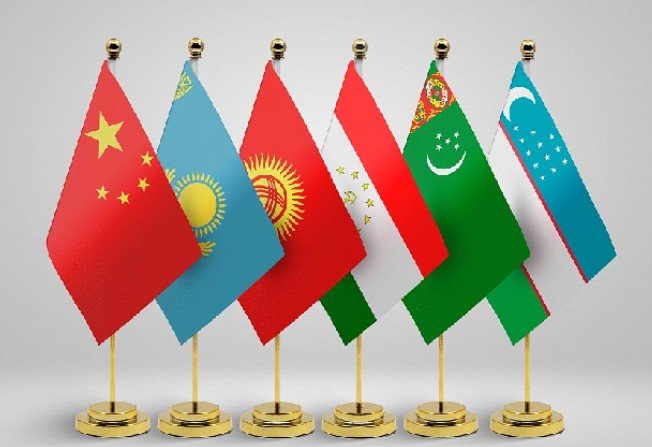
BEIJING, May 18: China strengthened its economic outreach to Central Asia during a regional summit held on Monday, where leaders discussed trade expansion, energy cooperation and major infrastructure investments.
Chinese President Xi Jinping emphasised the importance of regional connectivity and long-term economic partnerships during meetings with leaders from Kazakhstan, Uzbekistan, Kyrgyzstan, Tajikistan and Turkmenistan.
The summit focused heavily on transport corridors, energy pipelines and cross-border trade routes linked to China’s Belt and Road Initiative. Officials said new agreements covering logistics, renewable energy and digital connectivity were expected to boost regional growth.
China has increasingly viewed Central Asia as a strategic region for trade and geopolitical influence. The area’s vast energy reserves and location between Europe and Asia have made it central to Beijing’s economic strategy.
Several participating nations welcomed expanded cooperation, citing opportunities for investment, employment generation and infrastructure development.
Analysts noted that China’s engagement with Central Asia has grown significantly in recent years amid changing global trade dynamics and shifting geopolitical alliances.
Western governments have also closely monitored Beijing’s growing regional presence, particularly in sectors involving energy, telecommunications and transportation.
Economic experts believe the summit reflects China’s continued effort to secure supply chains and strengthen partnerships amid global economic uncertainty.
Discussions also included climate cooperation, industrial development and regional security coordination.
The summit concluded with calls for deeper regional integration and greater collaboration on economic resilience.

