


Pentagon Chief Sounds Alarm on China’s Military Buildup, Urges Allies to Raise Defence Spending
Speaking at the Shangri-La Dialogue in Singapore, Pete Hegseth urged Indo-Pacific nations to strengthen military capabilities and share a larger burden in maintaining regional stability.
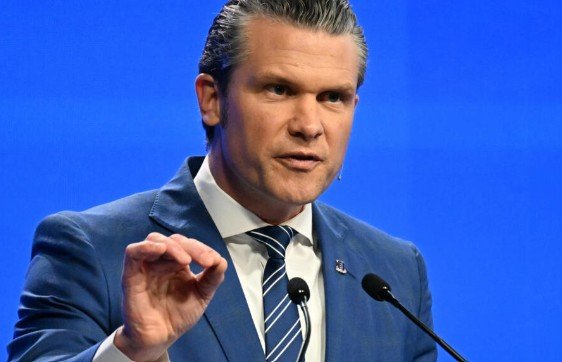
SINGAPORE, May 30: U.S. Defence Secretary Pete Hegseth on Saturday called on Asian allies and partners to increase their defence investments, arguing that stronger regional militaries are essential to preserving stability and deterring potential threats in the Indo-Pacific.
Addressing delegates at the Shangri-La Dialogue, Asia’s leading security forum attended by defence ministers, military officials and diplomats, Hegseth highlighted concerns over Beijing’s expanding military capabilities and growing strategic influence.
He said the pace and scale of China’s military modernisation had generated concern among countries across the region, stressing that maintaining a balanced security environment remains a shared responsibility.
Warning against the emergence of any dominant power in the Pacific, Hegseth said regional peace depends on ensuring that no single nation can dictate security arrangements or undermine the interests of its neighbours.
The Pentagon chief said Washington expects its partners in Asia to gradually raise defence expenditure to around 3.5 per cent of gross domestic product, while noting that the United States plans to invest approximately $1.5 trillion in strengthening its own armed forces.
Emphasising that regional nations seek stability rather than confrontation, Hegseth said the United States remains committed to providing steady leadership and credible deterrence while avoiding unnecessary escalation.
At the same time, he noted that communication channels between Washington and Beijing have improved in recent years, with military officials from both sides engaging more frequently to reduce misunderstandings and manage tensions.
Reiterating the Trump administration’s position on burden-sharing, Hegseth said prosperous nations must assume greater responsibility for their own security and contribute more actively to collective defence efforts.
“The era of the United States subsidizing the defence of wealthy nations is over,” he said, adding that strong alliances require meaningful commitments from all members rather than dependence on a single partner.

