


Punjab Moves to Regulate Private School Fees, Relief Expected for Lakhs of Families
State government begins drafting new legislation to curb arbitrary fee hikes and strengthen transparency in private school administration.
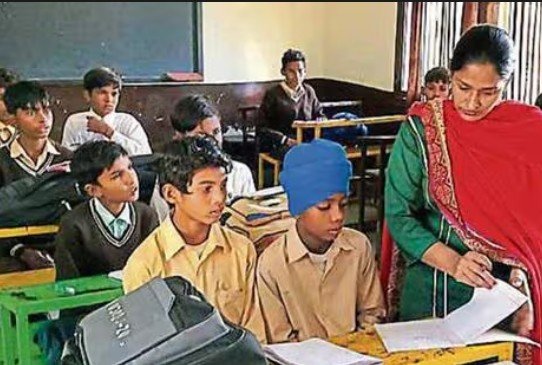
Punjab, June 05 : The Punjab government has initiated a major education reform aimed at regulating private school fees and providing financial relief to parents facing rising educational expenses. On June 5, state authorities directed officials to prepare comprehensive legislation that would establish clearer rules governing fee structures in private educational institutions.
The move follows growing concerns among parents regarding frequent fee increases and additional charges imposed by some schools. Education officials stated that the proposed law is intended to ensure transparency, accountability, and fairness while protecting families from excessive financial burdens.
Under the proposed framework, annual fee increases may be capped at a specified limit. Authorities are also considering provisions that would require institutions to justify any significant revisions in tuition fees. The objective is to create a balanced system that supports educational quality while preventing arbitrary increases that strain household budgets.
Punjab has a large private school network serving millions of students. Over the years, parents’ associations and education activists have repeatedly raised concerns about rising costs, arguing that education should remain accessible and affordable. The government’s latest initiative seeks to address these concerns through a legally enforceable mechanism.
Education experts have described the proposal as an important step toward strengthening consumer protection in the education sector. They argue that while schools require adequate resources to maintain quality standards, fee structures should remain transparent and predictable for families planning their children’s education.
The proposed legislation is expected to introduce clearer guidelines regarding tuition fees, annual charges, infrastructure fees, and other expenses collected by educational institutions. Policymakers believe that standardized rules will reduce disputes between schools and parents while improving trust within the education ecosystem.
Stakeholders from the private education sector have emphasized the importance of consultation during the drafting process. School administrators argue that operational costs, teacher salaries, technology investments, and infrastructure development require sustainable funding models. As a result, discussions are expected to focus on balancing institutional needs with parental affordability.
The initiative has generated significant public interest because educational expenses constitute a major component of household spending for many families. Rising inflation and increasing living costs have amplified concerns regarding school fees, making the issue particularly relevant for middle-class households.
Parents’ organizations have broadly welcomed the government’s intervention. Many believe that a transparent regulatory framework will provide greater certainty and reduce the financial pressure associated with annual admissions and fee revisions. Several groups have also called for grievance redressal mechanisms that would allow parents to challenge unreasonable charges.
Education analysts note that similar debates are taking place in several states across India as governments explore ways to make education more accessible while maintaining academic standards. Punjab’s proposed legislation could potentially serve as a model for future reforms in other regions if implemented effectively.
The development underscores the growing recognition that affordability is a critical component of educational access. While infrastructure, curriculum, and teaching quality remain essential priorities, policymakers increasingly acknowledge that economic barriers can limit opportunities for students and families.
As drafting work progresses, education stakeholders will closely monitor the final provisions of the proposed legislation. If enacted, the reform could reshape the relationship between private schools and parents while setting new standards for accountability and transparency in the education sector.

