


India Successfully Tests Ballistic Missile Defence System, Intercepts Hostile Missile
DRDO validates advanced Ballistic Missile Defence architecture through consecutive tests, enhancing the nation’s ability to counter long-range aerial threats.
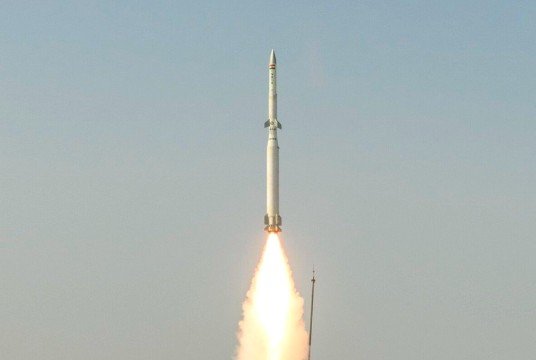
NEW DELHI, June 13: India has achieved a significant milestone in strengthening its strategic security framework after successfully conducting a series of flight trials showcasing the effectiveness of its advanced Ballistic Missile Defence (BMD) architecture.
The Defence Ministry announced that multiple interceptor systems were tested during a carefully coordinated exercise carried out over June 10 and 11. The trials demonstrated the country’s capability to detect, track and neutralise incoming missile threats across different layers of engagement, reinforcing India’s growing self-reliance in critical defence technologies.
According to officials, the tests were designed to evaluate the performance of interceptor missiles against simulated hostile ballistic targets approaching from varying trajectories. The exercise confirmed the operational readiness of systems developed to provide protection against a broad spectrum of missile threats, including those launched from long distances.
The successful demonstration highlights years of research and development undertaken by the Defence Research and Development Organisation (DRDO), which has been working on creating an integrated missile shield capable of safeguarding strategic assets and population centres.
Defence experts noted that the trials validated India’s ability to engage targets both within the Earth’s atmosphere and in higher-altitude regions beyond conventional aerial combat zones. This dual-layer capability significantly enhances the effectiveness of the country’s defensive network by offering multiple opportunities to neutralise incoming threats before they reach their intended targets.
Officials said each interceptor performed according to mission objectives, successfully tracking and destroying designated targets. Advanced sensors, command-and-control systems, radar networks and guidance technologies worked in coordination during the tests, demonstrating the maturity of the overall defence architecture.
The achievement places India among a limited group of nations possessing sophisticated missile interception capabilities. Such systems are considered vital in the modern security environment, where ballistic missile technology continues to evolve and pose complex challenges to national defence establishments worldwide.
The ministry emphasized that the newly demonstrated capabilities are designed to counter emerging threats and improve preparedness against a range of hostile missile attacks. The system is expected to play an increasingly important role in strengthening India’s strategic deterrence posture and national security framework.
Apart from validating missile interception technologies, the defence establishment also recorded another success with the maiden flight-test of the Naval Anti-Ship Missile-Medium Range (NASM-MR). The successful trial marks progress in enhancing the Indian Navy’s ability to engage maritime targets with greater precision and effectiveness.
Military analysts believe the latest achievements reflect India’s growing expertise in indigenous defence manufacturing and advanced weapons development. The successful testing of multiple platforms within a short period underscores the country’s expanding technological capabilities in the defence sector.
The flight trials were observed by senior DRDO scientists, defence officials and representatives of the armed forces, who monitored the performance of the systems throughout the exercise. Data collected during the tests will be used for further refinement and future deployment planning.
Defence Minister Rajnath Singh congratulated the scientists, engineers and personnel involved in the programme, describing the achievement as a major step forward in strengthening India’s defence preparedness. He praised the DRDO for its continued efforts in developing cutting-edge technologies that contribute to the country’s security objectives.
The latest accomplishment comes amid ongoing efforts to modernise India’s defence infrastructure and reduce dependence on foreign military systems. With indigenous technologies increasingly forming the backbone of strategic programmes, the successful BMD trials represent another important chapter in the nation’s journey toward defence self-sufficiency.
Security experts believe the demonstration will further enhance confidence in India’s ability to protect its airspace and strategic interests while reinforcing its position as a technologically capable defence power on the global stage.

