


US Fed’s Hawkish Stance Halts India Bond Market Rally
Rising U.S. rate expectations curb optimism in India’s debt market, while foreign investments and stable crude prices offer support.
India, June 19 : Indian government bonds traded slightly weaker on Thursday as investors reacted to a more hawkish than expected policy signal from the U.S. Federal Reserve, dampening expectations of continued gains in the domestic debt market.
The benchmark 6.94% government bond maturing in 2036 saw its yield inch higher to 6.8639% in early trading, compared with the previous close of 6.8626%. Since bond prices and yields move in opposite directions, the increase reflected cautious sentiment among market participants.
Market dealers said the recent rally in sovereign debt appeared to have exhausted much of its positive momentum, leaving bonds vulnerable to adverse global developments. According to traders, most favorable factors had already been factored into prices, prompting investors to reassess risk after the latest signals from the U.S. central bank.
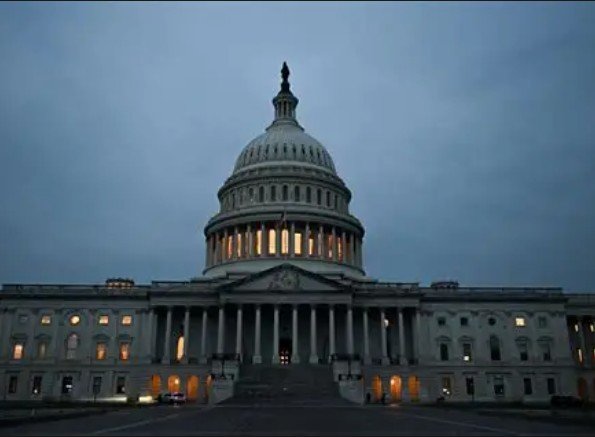
The Federal Reserve kept its benchmark interest rates unchanged at its latest policy meeting. However, policymakers adopted a firmer stance on inflation, indicating that additional tightening could become necessary if price pressures remain elevated. The shift surprised some market participants who had anticipated a more neutral tone from the central bank.
Adding to concerns, the Fed removed references that had previously suggested the possibility of further rate reductions. The revised language indicated diminishing confidence that inflation would continue to move steadily toward the central bank’s target.
Global bond markets reacted swiftly. U.S. Treasury yields climbed, with the two-year Treasury note—often regarded as the most sensitive to changes in monetary policy expectations—reaching its highest level in four months. Interest-rate futures markets also began pricing in a stronger probability that the Fed could initiate a rate-hiking cycle as early as September.
Higher Treasury yields tend to reduce the appeal of emerging-market debt by narrowing the return advantage offered by countries such as India. As a result, domestic bond investors adopted a more cautious approach despite supportive local factors.
Nevertheless, some elements continued to provide stability to the Indian debt market. International crude oil prices remained relatively subdued during Asian trading hours, with Brent crude staying below the $80-per-barrel mark. Stable energy prices are generally viewed as positive for India, which imports a significant portion of its crude requirements.
Investors also monitored developments surrounding reports of a peace agreement between the United States and Iran. Market participants are seeking clarity on whether the Strait of Hormuz, one of the world’s most critical energy shipping routes, could reopen fully after months of disruption. Any improvement in energy supply flows could help ease concerns about global inflation and support emerging-market assets.
Despite the cautious tone in bond trading, foreign investor participation in India’s debt market has remained robust. Overseas investors have injected more than $2.2 billion into Indian government securities so far this month. The inflows have been supported by recent measures introduced by the Reserve Bank of India and the government to encourage dollar inflows and strengthen market liquidity.
Analysts believe these foreign investments could continue to provide a cushion against external volatility, even as global interest-rate expectations shift. Strong capital inflows have enhanced confidence in India’s macroeconomic fundamentals and reinforced demand for sovereign bonds.
Meanwhile, activity in the interest-rate derivatives market reflected the broader global trend. India’s overnight index swap (OIS) rates moved modestly higher in line with rising U.S. Treasury yields. The one-year swap rate was quoted near 5.89%, while the two-year rate stood at 6.04%. The five-year swap rate hovered around 6.30%, indicating expectations of a relatively stable domestic interest-rate environment over the medium term.
Market participants will now closely track upcoming economic data from both India and the United States for clues about future monetary policy directions. Inflation readings, employment data, and central bank commentary are expected to play a crucial role in shaping bond market sentiment in the coming weeks.
For now, the Indian bond market outlook remains balanced between supportive domestic fundamentals and the challenges posed by a more restrictive global monetary environment. While foreign inflows and stable oil prices continue to offer support, the Federal Reserve’s hawkish stance has temporarily limited the scope for a fresh rally in Indian government bonds.

