


US-Iran Talks Make Progress as Both Sides Agree on Roadmap for Final Peace Deal
Switzerland hosted negotiations open a new diplomatic chapter amid efforts to stabilise the Middle East and secure global energy supplies
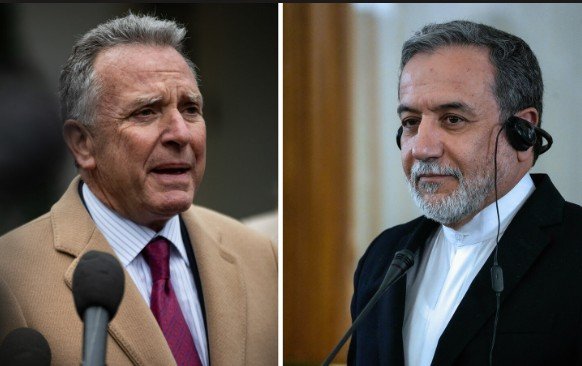
Geneva, Jun 23: A significant diplomatic breakthrough emerged this week as the United States and Iran concluded a crucial round of high-level talks in Switzerland, with mediators announcing that both sides have agreed on a roadmap aimed at reaching a comprehensive peace agreement within the next 60 days.
The discussions, facilitated by Qatar and Pakistan, took place against the backdrop of months of regional instability, disruptions in energy markets and concerns over escalating military confrontations in the Middle East. Despite initial tensions during the negotiations, officials described the outcome as encouraging and a potentially important step toward reducing hostilities.
According to a joint statement issued by the mediators, technical level negotiations will continue throughout the week while both parties work toward resolving outstanding issues. The roadmap includes measures aimed at maintaining stability in the Strait of Hormuz, one of the world’s most critical maritime trade routes, and strengthening mechanisms to prevent future military escalation.
US Vice President JD Vance described the talks as productive and said they had established a strong foundation for future negotiations. Iranian officials also acknowledged progress, although they stressed that several key issues remain unresolved.
One of the most notable developments was Iran’s reported willingness to allow international nuclear inspectors to return to the country. The move is being viewed as an important confidence-building measure that could help restore international trust and create momentum for a broader agreement.
The talks come after months of diplomatic uncertainty and military tensions that raised concerns across the international community. Analysts believe a successful agreement could significantly reduce risks in the Gulf region while helping stabilise global oil markets that have experienced volatility due to fears surrounding the Strait of Hormuz.
Energy markets responded positively to reports of progress. Investors welcomed signs that both sides remain committed to dialogue despite persistent disagreements over sanctions, regional security arrangements and nuclear oversight.
Diplomatic observers caution that substantial challenges remain. Negotiators still need to address sensitive issues including sanctions relief, nuclear monitoring mechanisms, regional security guarantees and the long-term framework governing future relations between Washington and Tehran.
Nevertheless, the latest discussions represent one of the most meaningful diplomatic engagements between the two countries in recent years. International stakeholders, including European and Asian partners, are closely monitoring developments because any lasting agreement could reshape geopolitical dynamics across the Middle East.
Experts note that successful implementation of the roadmap would not only ease regional tensions but also provide greater certainty to global markets that have been affected by repeated disruptions in energy supply chains.
As technical teams continue their discussions, attention will remain focused on whether negotiators can convert the initial progress into a durable and comprehensive agreement capable of addressing longstanding disputes. The coming weeks are expected to be critical in determining whether the diplomatic momentum generated in Switzerland can ultimately deliver a lasting peace framework.

