


Heatwave and Monsoon Extremes Raise Public Health Concerns Across India
Health authorities advise caution as extreme weather conditions increase risks of dehydration, infectious diseases and heat-related illnesses.
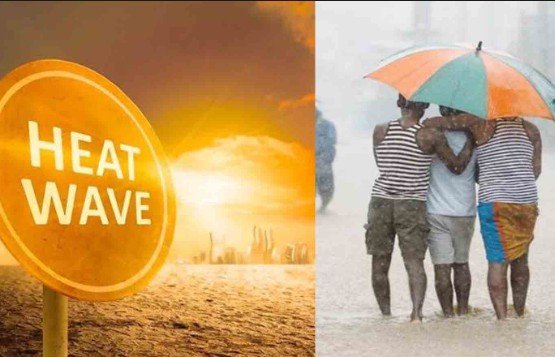
New Delhi, Jun 23: India’s healthcare system is facing fresh public health challenges as extreme weather conditions ranging from severe heatwaves to intense monsoon rainfall affect millions of people across multiple states.
Meteorological authorities have forecast heavy rainfall in several states while heatwave conditions continue to impact parts of northern and central India. Public health experts warn that such weather extremes can significantly increase the risk of disease outbreaks and medical emergencies.
Doctors report that prolonged exposure to high temperatures can lead to dehydration, heat exhaustion and potentially fatal heatstroke. Vulnerable populations including children, elderly individuals and those with pre-existing medical conditions face elevated risks during extreme heat events.
Healthcare professionals are advising people to remain hydrated, avoid unnecessary outdoor activity during peak afternoon hours and seek immediate medical attention if symptoms such as dizziness, confusion or severe fatigue develop.
The impact of rising temperatures extends beyond immediate health risks. Researchers have highlighted that repeated heatwave events are disrupting daily life, affecting education systems and placing additional burdens on families. Recent reports indicate that extreme heat has contributed to school closures in several regions, creating indirect health and social consequences.
Public health specialists also warn that heavy monsoon rainfall can create favorable conditions for waterborne and vector-borne diseases. Stagnant water often becomes breeding grounds for mosquitoes responsible for transmitting dengue, malaria and chikungunya.
Hospitals traditionally experience a surge in seasonal illnesses during the monsoon months. Cases of gastrointestinal infections, viral fevers and respiratory diseases tend to rise as humidity levels increase and sanitation challenges emerge.
Health departments across states are strengthening disease surveillance systems to monitor outbreaks and ensure rapid response measures. Preventive campaigns are being launched to educate citizens about maintaining hygiene and eliminating mosquito breeding sites around homes and communities.
Climate experts argue that healthcare planning must increasingly incorporate climate resilience measures. Rising temperatures, unpredictable rainfall patterns and extreme weather events are becoming more frequent, creating new challenges for public health systems.
Emergency preparedness is another area receiving greater attention. Hospitals are reviewing disaster management protocols to ensure uninterrupted services during floods, heatwaves and other weather-related emergencies.
Healthcare workers are also being trained to identify and manage heat-related illnesses more effectively. Community health centers are expanding awareness campaigns in vulnerable districts where access to healthcare facilities may be limited.
Public health researchers note that climate change is not only an environmental issue but also a major healthcare concern. Increased disease transmission, food insecurity and mental health stress associated with extreme weather can have long-term consequences for population health.
As India enters a critical monsoon phase while still experiencing heatwave conditions in certain regions, healthcare authorities continue to emphasize preventive measures and community awareness. Experts believe that stronger coordination between health agencies, local administrations and meteorological departments will be essential in minimizing weather-related health risks in the coming months.

