


Apple-Intel Manufacturing Partnership Signals New Phase for US Chip Industry
Technology giants deepen domestic semiconductor production efforts amid growing demand and supply-chain realignment
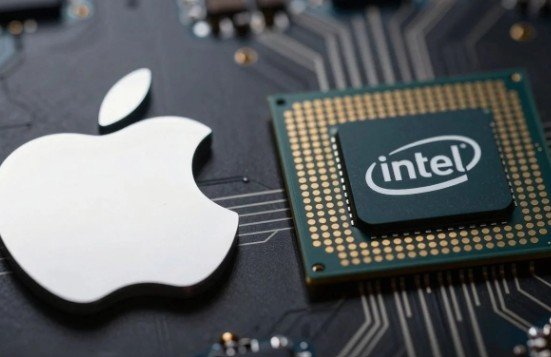
Washington, June 23: A reported manufacturing partnership between Apple and Intel is drawing significant attention across the global technology sector, with industry observers viewing it as a major step toward strengthening semiconductor production in the United States.
The collaboration is expected to support Apple’s efforts to diversify chip manufacturing capacity while providing Intel with a high-profile customer for its expanding foundry business. The move comes at a time when governments and corporations are prioritising resilient supply chains and domestic production capabilities.
The semiconductor industry has experienced rapid growth driven by artificial intelligence, cloud computing, smartphones and advanced computing technologies. Demand for cutting-edge chips continues to increase, creating opportunities for manufacturers capable of delivering advanced production capacity.
For Apple, expanding manufacturing partnerships can help reduce dependence on a limited number of suppliers and improve operational flexibility. The company has been exploring options to secure additional production capacity as global demand for semiconductors rises.
Intel, meanwhile, has been investing heavily in modern manufacturing facilities and next-generation chip technologies. Industry analysts believe that securing major customers could strengthen the company’s position in the increasingly competitive semiconductor market.
The reported partnership reflects broader efforts by the United States to expand domestic chip production. Policymakers have encouraged investments in semiconductor manufacturing to reduce reliance on overseas supply chains and enhance technological competitiveness.
Business leaders view semiconductor manufacturing as a strategic industry with implications for economic growth, innovation and national security. As a result, both public and private investments have increased substantially over the past several years.
Market participants reacted positively to reports of deeper cooperation between major technology firms and domestic manufacturers. Investors see such partnerships as an indicator of long-term confidence in the US semiconductor ecosystem.
Experts believe the benefits could extend beyond the companies involved. Increased manufacturing activity may create employment opportunities, support research and development initiatives and strengthen supplier networks.
The global semiconductor landscape is undergoing a period of transformation as companies seek greater resilience and diversification. Partnerships between technology leaders and manufacturing firms are likely to become increasingly important in shaping future industry growth.
As demand for advanced computing continues to accelerate, strategic collaborations such as this could play a key role in defining the next phase of innovation and industrial expansion.

