


UN Warns of Deepening Humanitarian Emergency as Gaza Faces Mounting Hardships
International agencies highlight worsening shortages of food, fuel and medical supplies amid continued restrictions on humanitarian access.
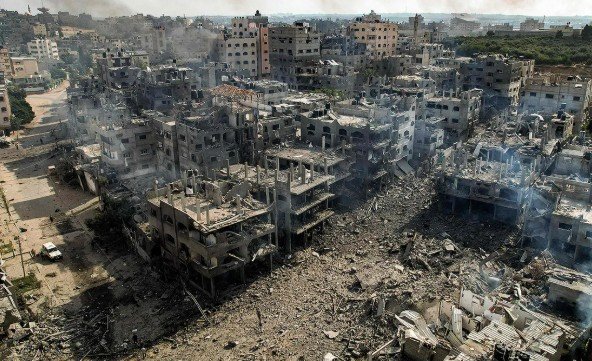
Geneva, June 25: The humanitarian situation in Gaza remains a major concern for the international community, with United Nations agencies warning that civilians continue to face severe hardships as shortages of essential supplies intensify.
Aid organizations reported growing challenges in delivering assistance to affected populations. Limited access routes, fuel shortages and logistical constraints have complicated efforts to provide food, healthcare and emergency support to millions of residents.
Humanitarian officials stressed that vulnerable groups, including children, women and elderly people, are bearing the heaviest burden of the crisis. Medical facilities continue to operate under extreme pressure as demand for services outpaces available resources.
The United Nations has repeatedly called for improved humanitarian access, emphasizing that aid delivery must remain free from obstacles. Relief agencies argue that uninterrupted access is essential to preventing further deterioration in living conditions.
Recent assessments indicate that food insecurity remains widespread. Many families are struggling to secure adequate nutrition, while clean water shortages have increased concerns regarding public health and disease outbreaks.
International relief workers have also highlighted the impact of damaged infrastructure. Electricity shortages, disrupted sanitation systems and limited healthcare capacity continue to affect daily life across the territory.
Global leaders and humanitarian organizations have urged all stakeholders to prioritize civilian welfare and facilitate the safe movement of relief supplies. Calls for increased international support have grown louder as aid agencies seek additional funding to sustain emergency operations.
The crisis has sparked renewed debate within diplomatic circles regarding long-term solutions to recurring humanitarian emergencies in the region. Experts argue that addressing immediate needs must be accompanied by efforts to create conditions for lasting stability.
Humanitarian agencies have warned that without substantial improvements in access and resources, conditions could worsen significantly during the coming months. Relief organizations continue to emphasize that humanitarian assistance alone cannot resolve underlying challenges.
As international attention returns to Gaza, the focus remains on ensuring that affected communities receive the support necessary to meet basic needs while broader diplomatic efforts continue.
The coming weeks are expected to be critical as aid organizations work to expand assistance and policymakers explore pathways toward reducing human suffering and promoting regional stability.

