


Apple-Intel Alliance Signals New Era for US Chip Manufacturing
Strategic partnership aims to strengthen domestic semiconductor production as Apple explores additional manufacturing capacity beyond traditional suppliers.
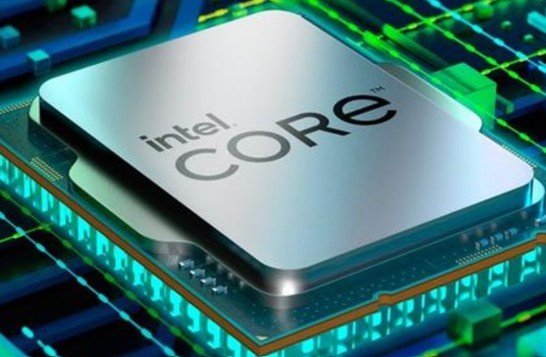
WASHINGTON, June 25: A reported collaboration between Apple and Intel has emerged as one of the most significant developments in the global semiconductor industry, highlighting a broader push toward strengthening domestic chip manufacturing in the United States.
The partnership, which has attracted widespread attention across technology and financial markets, is expected to support the design and production of advanced chips within the US. Industry analysts believe the move could reshape supply-chain dynamics and reduce dependence on overseas manufacturing facilities at a time when demand for artificial intelligence and high-performance computing hardware continues to surge.
Apple has long relied on Taiwan-based manufacturing partners for the production of its custom-designed processors that power iPhones, Mac computers and other devices. However, increasing demand for advanced semiconductor capacity has encouraged technology firms to diversify their manufacturing options and secure additional production sources.
Intel, meanwhile, has been working aggressively to rebuild its position as a leading semiconductor manufacturer. Over the past several years, the company has invested heavily in modern fabrication facilities and advanced process technologies designed to compete with global industry leaders. The reported agreement with Apple is being viewed as a major endorsement of Intel’s manufacturing ambitions and its efforts to attract high-profile customers.
Market observers note that the collaboration aligns with Washington’s broader strategy of enhancing domestic semiconductor production. Governments worldwide have increasingly recognized the strategic importance of chip manufacturing, particularly as semiconductors serve as the foundation of smartphones, artificial intelligence systems, cloud computing platforms, automotive electronics and defense technologies.
Industry experts say Apple’s interest in expanding manufacturing partnerships reflects growing pressure on semiconductor supply chains. AI-driven demand has accelerated rapidly over the past two years, creating intense competition for production capacity among technology giants. Companies developing AI models require advanced processors capable of handling enormous computational workloads, placing unprecedented stress on existing manufacturing infrastructure.
For Apple, additional manufacturing capacity could provide greater flexibility in product planning and future technology development. The company’s processors have become central to its strategy of delivering high-performance devices while maintaining tight control over hardware and software integration.
Intel stands to gain significantly from the arrangement. Securing business from one of the world’s most valuable technology companies would enhance the credibility of its foundry operations and potentially attract other customers seeking alternatives in the advanced chip manufacturing market.
Analysts caution, however, that large-scale production of Apple-designed chips through Intel facilities is unlikely to occur immediately. Semiconductor manufacturing remains one of the most complex industrial processes in the world, requiring years of development, testing and optimization before mass production can begin.
The technical challenges are substantial. Apple’s processors incorporate highly sophisticated system-on-chip architectures that integrate multiple computing functions into a single design. Replicating the precision and reliability required for these products demands cutting-edge fabrication technologies and rigorous quality standards.
Despite these hurdles, industry observers believe the partnership could serve as a milestone in the evolution of the American semiconductor sector. The move comes as governments and corporations invest billions of dollars in domestic manufacturing capabilities to address concerns over supply-chain resilience and technological competitiveness.
Financial markets responded positively to reports surrounding the collaboration. Investors viewed the development as evidence that major technology firms remain committed to expanding manufacturing investments and securing long-term access to advanced semiconductor capacity.
The semiconductor industry has undergone dramatic transformation in recent years. Rising geopolitical tensions, pandemic-era supply disruptions and explosive growth in AI applications have highlighted the strategic importance of chip production. As a result, governments have introduced incentives designed to encourage local manufacturing and reduce reliance on foreign suppliers.
For Intel, the potential Apple relationship represents more than a commercial agreement. It symbolizes progress in the company’s effort to re-establish itself as a premier manufacturing powerhouse capable of competing at the highest level of semiconductor production.
Industry analysts believe future cooperation could initially focus on select product categories before expanding to more advanced devices. Such a phased approach would allow both companies to evaluate manufacturing performance and gradually scale production over time.
The development also underscores how artificial intelligence is reshaping the semiconductor landscape. AI systems require increasingly powerful chips, driving unprecedented investment in research, manufacturing and infrastructure. Companies capable of delivering advanced production capacity are expected to play a critical role in the next phase of technological innovation.
As global demand for semiconductors continues to grow, partnerships between technology developers and manufacturers are likely to become more common. The reported Apple-Intel collaboration illustrates how companies are adapting to changing market conditions while seeking greater control over critical components.
Whether the partnership ultimately transforms the semiconductor industry remains to be seen. However, it has already reinforced the importance of domestic manufacturing, supply chain diversification and technological self-reliance in an increasingly competitive digital economy. The coming years will determine how successfully the initiative translates into commercial production and whether it becomes a model for future collaborations across the technology sector.

