


Amarnath Yatra 2026 to Begin on July 3, Preparations Complete for Pilgrim Safety
Enhanced security, upgraded infrastructure, mandatory registration, and medical facilities put in place as Jammu and Kashmir prepares to welcome thousands of devotees for the annual pilgrimage.
J&K, July 01 : The annual Amarnath Yatra 2026 is set to begin on July 3, with the Jammu and Kashmir administration, Shri Amarnath Shrine Board (SASB), and security agencies completing extensive preparations to ensure a safe, smooth, and well organised pilgrimage. Thousands of devotees from across the country are expected to participate in the revered spiritual journey to the Amarnath Cave Shrine over the next several weeks.
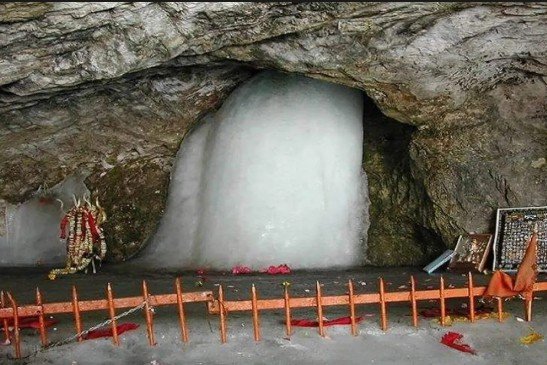
The pilgrimage, dedicated to Lord Shiva, remains one of the most significant religious events in India. Every year, lakhs of pilgrims undertake the challenging trek through the Himalayan mountains to offer prayers at the holy cave, where the naturally formed ice Shivling is considered a sacred symbol of Lord Shiva.
This year’s yatra will continue until August 9, coinciding with the festival of Raksha Bandhan, giving devotees more than a month to undertake the pilgrimage under regulated arrangements.
Comprehensive Arrangements in Place, Officials have confirmed that preparations across both pilgrimage routes have been completed well ahead of the commencement of the yatra. Infrastructure has been upgraded to accommodate the anticipated influx of pilgrims, with improvements made to road connectivity, accommodation facilities, sanitation services, drinking water supply, communication networks, and healthcare infrastructure.
Temporary shelters, community kitchens, medical camps, and emergency assistance centres have been established at strategic locations to provide essential support throughout the journey. Authorities have also strengthened disaster management mechanisms to respond swiftly to any emergencies arising from adverse weather or medical situations.
Multiple government departments have coordinated their efforts to ensure uninterrupted services during the pilgrimage period, enabling devotees to undertake the journey with greater convenience and safety.
Multi-Layered Security Deployed Security remains one of the administration’s highest priorities for this year’s pilgrimage. A comprehensive security plan has been implemented across Jammu and Kashmir, with personnel from various security agencies deployed along the entire route, including base camps, transit points, and the shrine area.
Authorities have installed enhanced surveillance systems, increased vehicle checking points, strengthened access control measures, and established quick response teams to deal with any potential security challenges. Continuous monitoring using modern surveillance equipment is expected to provide additional protection for pilgrims throughout the yatra.
Officials have stated that coordination among security forces, intelligence agencies, and local administration has been intensified to ensure a peaceful and secure pilgrimage.
Two Approved Pilgrimage Routes
Pilgrims can reach the holy cave through either of the two officially designated routes.
The traditional Pahalgam route remains the preferred choice for many devotees due to its gradual ascent and comparatively easier terrain despite covering a longer distance. The route offers multiple halting stations where pilgrims can rest before continuing their journey.
The Baltal route, on the other hand, provides a shorter approach to the shrine but involves a steeper and physically demanding trek. Authorities have made similar arrangements on this route by establishing medical facilities, food distribution centres, resting shelters, rescue teams, and communication support to assist pilgrims.
Officials have ensured that both routes remain equipped with adequate emergency response mechanisms throughout the pilgrimage season.
Registration and Health Certification Mandatory
Authorities have reiterated that participation in the Amarnath Yatra requires mandatory registration through authorised channels. Every pilgrim must obtain a valid registration permit along with a Compulsory Health Certificate (CHC), confirming medical fitness for the high-altitude journey.
The administration has advised devotees not to undertake the pilgrimage without completing the prescribed registration formalities, as access to the yatra routes is permitted only to registered pilgrims.
Officials have also urged participants to carry valid government-issued identity documents while travelling.
Health and Safety Advisory Issued
Given the challenging terrain and unpredictable weather conditions in the Himalayan region, authorities have issued detailed advisories for pilgrims.
Devotees have been encouraged to prepare physically before undertaking the trek, remain adequately hydrated, wear warm and weather-appropriate clothing, and allow sufficient time for acclimatisation to reduce the risk of altitude-related illnesses.
Medical experts stationed along the routes have also advised pilgrims suffering from chronic health conditions to consult their doctors before participating in the yatra. Emergency medical teams equipped with ambulances and specialised equipment will remain available throughout the pilgrimage period.
Officials have appealed to pilgrims to strictly follow instructions issued by security personnel and rescue teams to ensure their own safety as well as the smooth conduct of the pilgrimage.
Spiritual Significance
Located at an altitude of nearly 3,888 metres in the Himalayas, the Amarnath Cave Shrine attracts devotees from across India and abroad. According to Hindu belief, Lord Shiva revealed the secret of immortality to Goddess Parvati inside the cave, making it one of Hinduism’s most revered pilgrimage destinations.
The naturally formed ice Shivling, which develops inside the cave during the summer months, remains the central attraction for devotees seeking spiritual blessings.
Administration Appeals for Cooperation
With all operational, logistical, medical, and security arrangements now in place, the administration has expressed confidence in conducting a peaceful and successful pilgrimage.
Authorities have appealed to devotees to cooperate with officials, respect environmental guidelines, maintain cleanliness along the pilgrimage routes, and strictly adhere to safety protocols throughout their journey.
As the first batch of pilgrims prepares to begin the sacred trek on July 3, Jammu and Kashmir is once again set to host one of India’s largest annual religious pilgrimages under enhanced security and comprehensive administrative arrangements.

