


India Accelerates AI-Driven Public Healthcare Mission to Strengthen Rural Medical Services
Centre expands digital health infrastructure, AI-assisted diagnostics and telemedicine services to improve healthcare accessibility in villages and remote regions.
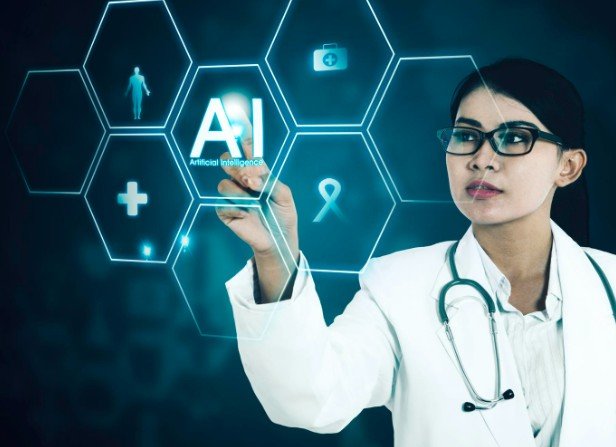
New Delhi, July 11: India has intensified its push towards technology-enabled healthcare by expanding artificial intelligence (AI)-based medical services across rural and semi-urban regions. The latest initiative forms part of the government’s broader vision to modernise the country’s healthcare ecosystem through digital innovation, faster diagnostics, and improved accessibility for underserved populations.
Officials from the Union Ministry of Health stated that AI-powered healthcare solutions are being integrated with the Ayushman Bharat Digital Mission (ABDM), telemedicine platforms, district hospitals and Health and Wellness Centres. The objective is to bridge the gap between urban and rural healthcare while reducing pressure on tertiary medical institutions.
The programme comes at a time when India’s healthcare sector is witnessing rapid digital transformation. Experts believe that artificial intelligence has the potential to significantly improve disease detection, reduce diagnostic errors, optimise hospital management and support medical professionals facing heavy workloads.
AI Supporting Early Diagnosis
Healthcare authorities have begun deploying AI-assisted diagnostic tools capable of identifying diseases including tuberculosis, diabetic retinopathy, cervical cancer, breast cancer and cardiovascular disorders at earlier stages.
Several government hospitals are using AI algorithms to analyse X-rays, CT scans and retinal images, enabling doctors to make quicker clinical decisions.
Officials explained that AI does not replace doctors but acts as a decision-support system, helping physicians interpret complex medical data more efficiently.
Telemedicine Expansion
One of the biggest beneficiaries of AI integration is telemedicine.
Patients living in remote villages often travel hundreds of kilometres for specialist consultations. Through upgraded telemedicine centres, patients can now connect virtually with specialists located in metropolitan hospitals.
AI tools also assist by summarising patient histories, organising medical records and suggesting probable diagnoses before consultations begin.
Health officials say this reduces consultation time and allows specialists to attend to more patients each day.
Ayushman Bharat Digital Mission
The Ayushman Bharat Digital Mission continues to serve as the backbone of India’s digital healthcare transformation.
Under the mission:
Digital Health IDs are expanding nationwide.
Electronic health records improve continuity of care.
Hospitals can securely exchange patient information.
Citizens can access prescriptions digitally.
Integration with AI platforms allows longitudinal patient data to be analysed for preventive healthcare interventions.
Rural Healthcare Benefits
Healthcare remains unevenly distributed across India.
Many villages still face shortages of specialists, radiologists and pathologists.
AI-assisted healthcare aims to:
Reduce diagnosis delays.
Improve screening coverage.
Lower treatment costs.
Support frontline health workers.
Increase preventive healthcare.
ASHA workers and community health officers are receiving digital tools capable of identifying high-risk pregnancies, childhood illnesses and chronic disease indicators.
Medical Imaging Revolution
Radiology has emerged as one of the fastest-growing AI applications.
Government hospitals participating in pilot programmes report faster interpretation of chest X-rays, TB screening and emergency trauma imaging.
AI software flags suspicious abnormalities, allowing radiologists to prioritise urgent cases.
Experts say this improves turnaround time without compromising clinical oversight.
Chronic Disease Management
India continues facing rising cases of diabetes, hypertension and heart disease.
AI-powered monitoring platforms are helping doctors track patients remotely through wearable devices and mobile health applications.
These systems alert physicians whenever abnormal readings require medical intervention.
Such continuous monitoring improves treatment adherence while reducing unnecessary hospital admissions.
Maternal and Child Healthcare
Maternal healthcare is another major area receiving digital support.
AI models analyse pregnancy risk factors including anaemia, blood pressure, nutritional status and medical history.
Frontline workers receive alerts regarding women requiring immediate referral to higher healthcare facilities.
Infant vaccination schedules are also becoming digitally integrated.
Strengthening Disease Surveillance
Artificial intelligence is also improving disease surveillance.
Public health experts use predictive analytics to monitor outbreaks of communicable diseases including dengue, malaria and influenza.
AI analyses hospital admissions, laboratory reports and environmental indicators to detect early warning signals.
This enables quicker public health interventions.
Hospital Administration
Hospitals increasingly use AI for administrative purposes including:
Bed management
Patient flow optimisation
Pharmacy inventory
Appointment scheduling
Workforce planning
Healthcare administrators report improved operational efficiency and reduced waiting times.
Ethical Considerations
Experts emphasise that patient privacy and ethical AI deployment remain priorities.
Digital health records are protected under data governance frameworks.
Healthcare professionals retain final clinical responsibility for treatment decisions.
AI recommendations undergo human verification before implementation.
Medical Education
Medical colleges are introducing AI modules into undergraduate and postgraduate curricula.
Students learn:
Medical data analytics
Digital diagnostics
Clinical decision support systems
AI ethics
This prepares future doctors for technology-enabled healthcare.
Industry Participation
Indian startups continue developing affordable healthcare AI solutions.
Innovation focuses on:
Portable diagnostic devices
Mobile health applications
Cloud-based imaging analysis
Remote monitoring systems
Public-private partnerships are accelerating deployment.
Challenges Ahead
Despite progress, several challenges remain:
Internet connectivity in remote regions.
Digital literacy.
Equipment maintenance.
Workforce training.
Cybersecurity.
Standardisation.
Experts stress sustained investment will determine long-term success.
Way Forward
Healthcare economists believe AI will complement—not replace—medical professionals.
India’s large population creates unique opportunities to develop scalable digital healthcare models.
If implemented responsibly, AI could significantly improve healthcare access, affordability and quality while supporting universal health coverage goals.
Government officials reaffirmed their commitment to expanding digital healthcare infrastructure over the coming years, positioning India among global leaders in technology-enabled public health.

