


Sonam Wangchuk Hospitalised During Education Reform Protest Over Exam Leak Concerns
Ladakh activist Sonam Wangchuk's prolonged hunger strike over student issues and examination irregularities enters a critical phase as education system reforms remain at the centre of debate.
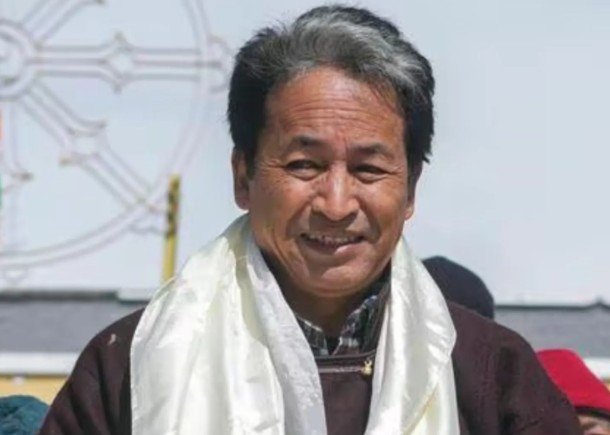
NEW DELHI, July 18: Education related concerns over examination transparency and student welfare intensified on Friday after renowned education reformer and environmental activist Sonam Wangchuk was shifted to a government hospital following a decline in his health condition during his ongoing hunger strike.
Wangchuk’s protest has brought renewed attention to concerns surrounding examination systems, paper leaks and accountability mechanisms affecting millions of students across India. His campaign has attracted widespread public discussion, with student groups and social activists highlighting the need for stronger safeguards in competitive examinations.
According to reports, Wangchuk was moved for medical observation after doctors advised intervention due to his deteriorating health condition. The development has increased pressure on authorities to address concerns raised by protesters regarding reforms in India’s examination framework.
Protest Highlights Student Concerns Over Examination Security
The hunger strike became a focal point for discussions about the challenges faced by students preparing for high-stakes examinations. Competitive exams in India determine access to higher education opportunities and government jobs, making transparency and reliability extremely important.
Students and education advocates have repeatedly demanded stronger systems to prevent malpractice, ensure accountability and protect candidates from the consequences of examination related irregularities.
The issue of paper leaks has emerged as one of the biggest challenges for India’s education sector in recent years. Such incidents not only disrupt examination schedules but also create uncertainty among students who spend years preparing for competitive tests.
Education experts argue that maintaining public confidence in examination systems requires better technology, stronger monitoring mechanisms and faster action against those responsible for violations.
Growing Debate Around Education Governance
Wangchuk’s protest has expanded beyond an individual demand and has become part of a larger conversation about educational governance and student rights.
India’s education system serves one of the world’s largest student populations, with millions appearing every year for school board examinations, entrance tests and recruitment assessments.
The increasing competition for limited seats and opportunities has made examination integrity a major concern among students and parents.
Experts believe that reforms should focus on:
Strengthening digital monitoring systems
Improving examination centre security
Ensuring quick investigation of irregularities
Protecting students from repeated cancellations
Creating transparent grievance mechanisms
Impact on Students and Competitive Examination Aspirants
Examination disruptions have significant emotional and financial consequences for students.
Many candidates spend months or years preparing for entrance examinations such as medical, engineering and government recruitment tests. Any cancellation or allegation of malpractice can affect their academic plans and career timelines.
Student organisations have argued that protecting examination credibility is essential for maintaining equality of opportunity.
A fair examination system ensures that success depends on preparation and ability rather than unfair advantages.
Government and Public Response
The protest has drawn attention from political leaders, education activists and student communities.
Supporters of Wangchuk have called for meaningful discussions on examination reforms, while authorities have focused on ensuring his medical safety.
The situation has renewed discussions about creating a more reliable framework for conducting large-scale examinations in India.
Need for Long-Term Education Reforms
Experts say that examination security is only one part of the broader education challenge.
India’s education sector is undergoing transformation through technology adoption, digital learning platforms and policy reforms. However, ensuring fairness and accessibility remains a key priority.
A modern education system requires not only updated curriculum and infrastructure but also trust between institutions and learners.
The controversy surrounding examination irregularities highlights the importance of strengthening systems that directly impact students’ futures .

