


New UK Prime Minister Rules Out Early General Election, Focuses on Government Agenda
New British leader rejects calls for an early general election, saying his priority is implementing the government’s existing mandate and addressing national challenges.
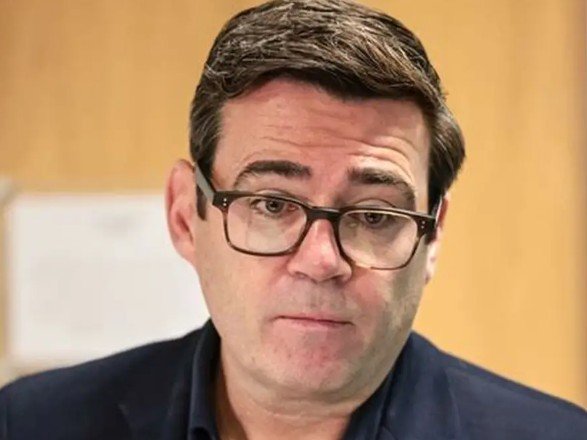
London, July 25: Newly appointed UK Prime Minister Andy Burnham has ruled out holding an early general election, saying his government will concentrate on delivering its promised reforms rather than returning to the polls.
Burnham, who took charge after the transfer of power from former Prime Minister Keir Starmer, said the country needs stability and focused governance instead of an immediate election campaign. He argued that calling a snap election would delay important work required to improve the country’s political and economic landscape.
In an interview with the Manchester Evening News, Burnham said the government would continue working within the commitments made in the 2024 election manifesto. He stressed that his plans represent a renewed approach while remaining aligned with the mandate voters provided.
“We live in a parliamentary democracy. There was a manifesto in 2024. I’m sticking to that manifesto,” Burnham said, adding that the government’s immediate priority was making the country function effectively.
The Prime Minister said an early election could distract from efforts to implement key policies and tackle pressing issues facing the UK. According to him, the government must focus on delivering results rather than entering another electoral contest.
The decision has drawn criticism from opposition figures, particularly Reform UK leader Nigel Farage, who called for a fresh election following Burnham’s announcement that he planned to introduce major changes to Britain’s politics and economy.
Farage argued that voters should have the opportunity to decide whether they support a government led by a different prime minister than the one they originally voted for in 2024.
The debate has also sparked public discussion over whether a change in leadership should automatically lead to a new election. Critics claim that many voters supported a party under Starmer’s leadership and should now have the chance to express their views on Burnham’s premiership.
A recent Survation poll conducted for the Daily Mail showed that 51 per cent of respondents favoured holding a general election, reflecting growing public interest in the issue.
However, under the UK’s parliamentary system, a change of prime minister does not automatically require a nationwide election. A governing party can appoint a new leader while continuing with the existing parliamentary majority.
Burnham has defended his decision by saying that political stability is essential at a time when the government faces major challenges, including economic pressures, public service reforms, and demands for changes in governance.
The Prime Minister’s refusal to call an immediate election is expected to keep political debate active in the UK, with opposition parties likely to continue demanding a fresh public mandate. For now, Burnham’s government appears determined to focus on implementing its agenda and completing the commitments made during the previous election.

