


WHO Warns of Rising Heat Related Illnesses as Europe Faces Record Summer Temperatures
Health authorities urge vulnerable groups to stay protected as prolonged heatwaves increase cases of dehydration, heatstroke and cardiovascular complications.
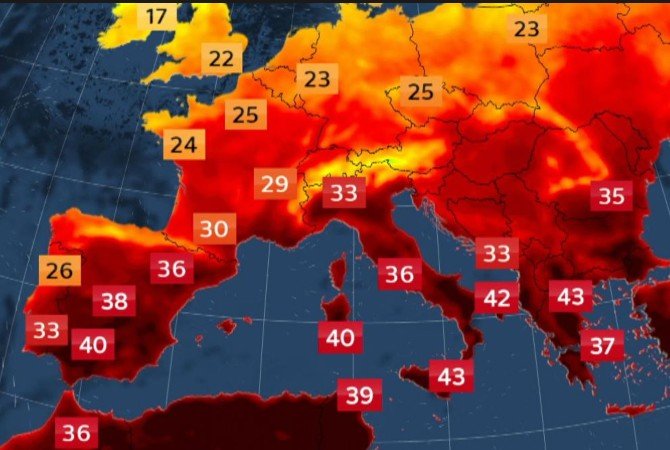
New Delhi, Jul 31: The World Health Organization (WHO) has cautioned that prolonged heatwaves sweeping across Europe are driving a sharp increase in heat related illnesses, placing significant pressure on healthcare systems and prompting governments to strengthen public health measures.
Several countries have reported temperatures well above seasonal averages, resulting in a surge of emergency admissions linked to dehydration, heat exhaustion, kidney complications and cardiovascular disorders. Older adults, children, outdoor workers and individuals with chronic medical conditions remain the most vulnerable to extreme heat.
Public health agencies have advised people to avoid outdoor activities during peak afternoon hours, stay hydrated, wear light clothing and regularly check on elderly family members and neighbours. Hospitals and emergency services in several regions have activated heat-response protocols to handle the increased patient load.
Medical experts warned that climate change is making severe heat events more frequent and prolonged, raising the risk of long-term health consequences. Health authorities are also monitoring possible increases in respiratory illnesses as poor air quality and wildfire smoke affect parts of southern Europe.
The WHO stressed that cities should expand cooling centres, improve emergency preparedness and strengthen public awareness campaigns to reduce heat related fatalities. Governments have also been encouraged to develop long-term strategies that improve urban resilience against extreme weather events.
Experts said timely preventive measures and public cooperation remain critical to limiting the health impact of recurring heatwaves during the summer season.

