


PM Sharif’s PML-N Softens Stand on PoK Protests, Calls Demonstrators ‘Patriots’
Rana Sanaullah says PML-N will engage with Joint Awami Action Committee representatives after forming the next government in Pakistan occupied Kashmir
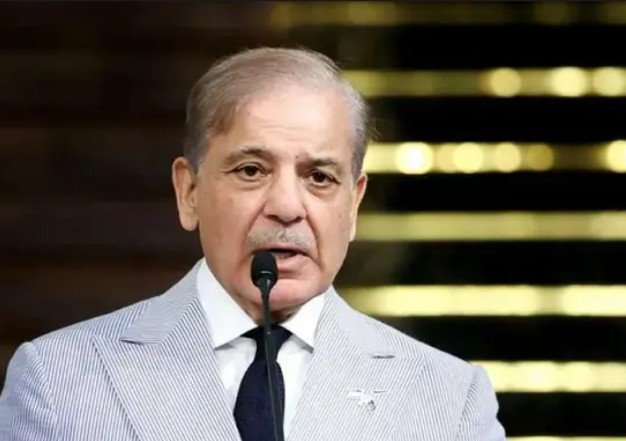
ISLAMABAD, Aug 9: Pakistan Prime Minister Shehbaz Sharif’s Pakistan Muslim League-Nawaz (PML-N) appears to be adopting a conciliatory approach towards protesters in Pakistan occupied Kashmir (PoK), following months of unrest and a contentious election process.
Prime Minister’s adviser Rana Sanaullah on Saturday described 99 per cent of those associated with the Joint Awami Action Committee (JAAC) as “patriotic”, signalling a notable shift from the government’s earlier allegations against the protest movement.
Speaking at an election rally ahead of the final phase of polling in PoK, Sanaullah said PML-N representatives would soon hold discussions with members of the JAAC, which has led demonstrations across the region.
“Ninety-nine per cent of those associated with the Joint Awami Action Committee are our patriotic brothers,” he said.
Sanaullah added that if the PML-N forms the government with a two-thirds majority, it would engage directly with JAAC representatives. He said resolving the issues raised by the committee would be among the new administration’s initial priorities.
The remarks come after the authorities had earlier alleged that members of the banned Tehrik-e-Taliban Pakistan were involved in the demonstrations. The allegations were cited in support of the security crackdown against protesters.
The development also comes as the PML-N has emerged as the leading force in the ongoing three phase elections in the region. It has secured 25 seats in the first two rounds, crossing the majority threshold in the 45 member so called assembly.
The PML-N is competing directly against the Pakistan Peoples Party (PPP), despite both parties being coalition partners in Pakistan’s federal government.
The third and final phase of polling is scheduled for Monday and will cover four constituencies. Elections in seven other constituencies have been postponed indefinitely.
Protests Continue Amid Political Tensions
The region has witnessed sustained demonstrations for more than two months, with the JAAC bringing together students, traders, transporters, lawyers, social workers and other sections of society.
The organisation was banned by the regional administration in June.
The protesters have primarily demanded the abolition of 12 refugee seats in the so-called PoK assembly. The JAAC has alleged that these seats are used by Pakistan’s establishment to influence the formation of the regional government and install a preferred leader.
The protests were followed by a major security crackdown, with rights organisations raising concerns over alleged excessive use of force.
Amnesty International and the Human Rights Commission of Pakistan have called for investigations into reports of violence and urged the authorities to ensure accountability.
Tensions intensified after the three-phase election process began on July 27. The JAAC has claimed that more than 40 people, including women and children, were killed after the elections commenced and alleged that more than 400 protesters had died since early June.
The Pakistani government has rejected the figures and denied reports of civilian deaths, describing the claims made by the protest group as exaggerated.
The unrest has also attracted international attention. On August 7, the United Nations voiced concern over the security situation in PoK and stressed the importance of accountability for actions involving people exercising their right to peaceful protest.
India maintains that Jammu and Kashmir and Ladakh are integral and inalienable parts of India. New Delhi has consistently stated that Pakistan is in illegal and forcible occupation of parts of these Union Territories.

