


Sri Lanka Eases Refugee Return From India With New Immigration Measures
New arrangements allow eligible refugees who left Sri Lanka without valid documents during the civil war to return through authorised entry points without facing penalties for unauthorised departure.
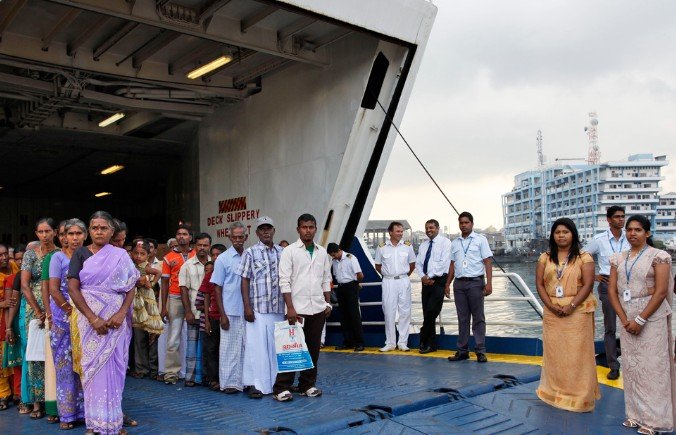
COLOMBO, Aug 11: Sri Lanka has approved special immigration arrangements to make it easier for refugees in India to voluntarily return to the island nation after fleeing during the country’s decades long civil war.
The measures, approved by the Cabinet, will apply to Sri Lankan nationals returning with assistance from the United Nations High Commissioner for Refugees (UNHCR). The new framework seeks to address legal and documentation problems faced by people who left the country through unauthorised routes during the conflict.
Under the arrangements, Sri Lankan nationals who departed without passports before August 1, 2006 will undergo screening by the State Intelligence Service. The checks will determine whether returnees are wanted in connection with murder, treason or other specified offences.
Those who receive clearance will be permitted to enter Sri Lanka through an authorised airport or seaport using temporary passports. They will also be exempted from legal proceedings under immigration laws relating to their unauthorised departure.
The same procedure will cover individuals who left Sri Lanka without valid travel documents between August 1, 2006, and May 19, 2009, when the civil war ended following the defeat of the Liberation Tigers of Tamil Eelam (LTTE).
However, returnees facing allegations of murder, treason or other offences covered by the rules will be detained upon arrival and transferred to the appropriate authorities for further legal proceedings.
The decision follows concerns over the difficulties encountered by refugees attempting to return after spending many years in India.
In May last year, immigration authorities arrested a 75-year-old Sri Lankan Tamil refugee at Palaly airport in Jaffna after he arrived from India. The man had spent decades in a refugee camp in Tamil Nadu and had returned with the required clearances and UNHCR assistance. He was later produced before a magistrate and remanded.
The case highlighted concerns about the legal uncertainties that could confront refugees returning after prolonged stays abroad.
Large numbers of Sri Lankan refugees began arriving in Tamil Nadu following ethnic violence in 1983 and the subsequent intensification of fighting between government forces and the LTTE.
The UNHCR has supported voluntary repatriation programmes from India for more than two decades. Nearly 18,000 Sri Lankan refugees returned with its assistance between 2002 and February 2022.
Returns have continued since the conclusion of the conflict. According to Sri Lankan government figures, more than 18,500 people returned from Tamil Nadu to Sri Lanka between January 2009 and June 2025.
Despite the continuing repatriation, Tamil Nadu still hosts a substantial Sri Lankan refugee population. Sri Lankan government estimates put the number living in camps and outside them at about 89,000 in early 2026. Around 40 per cent of those individuals were born in India.
Many have spent most of their lives in India, making documentation, employment and livelihood opportunities important considerations in decisions about returning to Sri Lanka.
The newly approved arrangements are expected to provide a clearer legal pathway for eligible refugees seeking to return voluntarily while ensuring that individuals facing serious criminal allegations are referred to the relevant authorities.

