


Homestays Take Tourism Forward
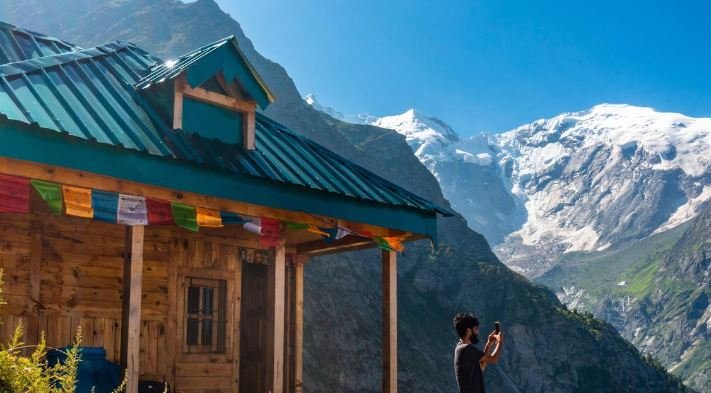
Jammu and Kashmir’s renewed Homestay Policy comes at a time when tourism needs to spread beyond the familiar destinations and bring greater benefits to people living in villages and lesser-known areas. The idea is simple and practical. Instead of depending only on hotels and large commercial properties, local families can open their homes to visitors, earn additional income and become direct participants in the tourism economy.
Chief Secretary Atal Dulloo has rightly underlined the importance of homestays in unexplored destinations. For a region as environmentally sensitive as Jammu and Kashmir, this model makes sense. It uses existing residential spaces, reduces the pressure for large-scale construction and gives visitors a more personal experience of local life, food and culture. The present network of 2,802 homestay units with 20,514 beds shows that the sector already has a reasonable base. The next challenge is to make sure that these units are not only registered but actually successful. A homestay becomes meaningful only when visitors come, services are good and the host family earns enough to see real value in the venture. This is where training will matter. Many families may be willing to join the sector but may not know how to manage bookings, maintain hygiene standards, price rooms, communicate with guests or promote their property online. The Tourism Department will need to stay involved well beyond registration and provide regular, practical support. Access to credit is equally important. The proposed financing of up to ₹5 lakh per room, subject to a maximum of ₹30 lakh per homestay, can help families improve rooms, bathrooms, safety measures and other basic facilities. But banks should keep procedures simple and realistic. Tourism income is often seasonal, and repayment plans should reflect that reality. The online registration system, geotagging and time-bound approvals are useful steps because they can reduce unnecessary delays and make the process easier for applicants. At the same time, faster approvals must not mean weaker standards. Visitors will remember poor sanitation, unreliable water supply or unsafe accommodation far more than a quick registration process. The Silver and Gold categories can help create confidence among tourists, provided the grading is transparent and periodically reviewed. Quality should not become a one-time inspection. It has to be maintained throughout the year. The introduction of the Bed and Breakfast model also opens another opportunity by allowing underused residential properties to generate income. However, the Government will need to keep an eye on unplanned commercialization, especially in fragile locations where water, waste disposal, traffic and local infrastructure are already under pressure. Mission YUVA and the partnership under the “Crown of Incredible India” initiative can make the policy more valuable for young people. Youth can be involved not only as homestay owners but also as guides, local food entrepreneurs, transport providers, digital marketers and organizers of village experiences. This is where homestays can become more than places to sleep. A visitor may also want to taste local cuisine, learn about handicrafts, walk through a village, visit orchards or explore nearby trails. When these experiences are linked together, tourism income can reach more families and stay within the local economy.
The Government deserves appreciation for placing local communities at the centre of the renewed policy. But the real success of the initiative will be judged by what happens after the announcements. Training, affordable credit, reliable infrastructure, digital promotion and regular quality checks must work together. If that happens, homestays can help Jammu and Kashmir build a tourism model that is more local, more sustainable and more widely shared. The objective should not simply be to add more rooms. It should be to create better livelihoods, stronger village economies and tourism growth that respects both people and the environment. Finally, The Government should introduce destination-wise carrying-capacity plans, community benefit audits, local procurement norms, emergency support protocols and seasonal performance reviews for homestays. Linking incentives to verified occupancy, guest satisfaction and neighbourhood benefits would encourage responsible growth while ensuring that tourism expansion remains balanced, accountable and genuinely rewarding for host communities.

