


Yen Set for Best Weekly Gain in a Month as Dollar Holds Steady Ahead of Payrolls
Japan’s currency gains momentum ahead of U.S. payroll figures, while traders reassess the outlook for monetary policy on both sides of the Pacific.
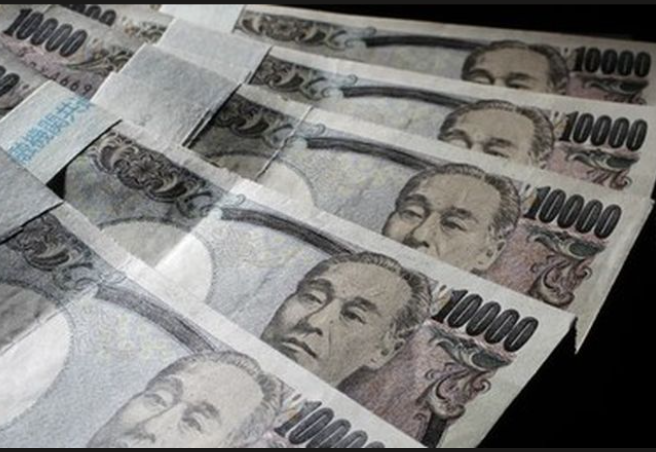
TOKYO, Sept. 4: The Japanese yen held on to its recent gains against the U.S. dollar on Friday, putting the currency on course for its strongest weekly performance in more than a month as investors increased expectations for a possible Bank of Japan interest rate hike.
The yen climbed as high as 155.25 per dollar during morning trading, approaching the 155.20 level reached last month following intervention efforts. It later surrendered some of its gains and was last little changed at around 155.71 per dollar.
The Japanese currency is poised to advance about 2.5% this week, marking its biggest weekly rise since late July. At that time, Japanese and U.S. authorities carried out a rare joint intervention aimed at stemming the yen’s prolonged decline.
This week’s move, however, appears to have occurred without clear signs of fresh official intervention. Market analysts increasingly attribute the yen’s strength to expectations that the BOJ could adopt a more hawkish stance at its September 17-18 policy meeting.
Masahiko Loo, senior fixed-income strategist at State Street Investment Management in Tokyo, said the latest move appeared to reflect a broader reassessment of Japan’s monetary policy outlook rather than simply a rush by investors to unwind short yen positions.
He said markets were increasingly accepting the possibility that Japan could continue normalising its monetary policy through 2027.
Japan’s top currency diplomat Atsushi Mimura added to market vigilance on Friday, saying he remained attentive to exchange-rate movements and was maintaining regular communication with U.S. officials. His comments kept the possibility of another intervention in the currency market in focus.
U.S. Jobs Report in Focus
Currency markets are now turning their attention to U.S. nonfarm payroll figures, a crucial indicator for investors assessing the Federal Reserve’s next policy decision.
The dollar index, which tracks the U.S. currency against a basket of major currencies, was broadly unchanged at 99.01. The euro was also little changed at $1.1625, while sterling traded at $1.3527.
The dollar index was heading toward a weekly decline of about 0.7%, reflecting growing uncertainty over the path of U.S. interest rates.
Investors are also preparing for the Federal Open Market Committee meeting scheduled for September 15-16. The payroll report will be followed by U.S. consumer price inflation data next week, providing further clues about whether the Federal Reserve has room to adjust borrowing costs.
Federal Reserve Governor Christopher Waller said Thursday that he would favor leaving interest rates unchanged at this month’s meeting if upcoming inflation figures confirm that price pressures are continuing to ease.
His relatively dovish comments prompted traders to scale back expectations for a September rate move, with market pricing putting the probability of a change at around 50%.
Commodity and Regional Currencies
Investors are also monitoring geopolitical developments in the Gulf and their potential impact on inflation. Brent crude futures remained elevated following U.S. strikes on Iran earlier this week, with prices staying above $95.52 a barrel.
Higher energy costs could complicate the outlook for central banks if they contribute to renewed inflationary pressure.
Elsewhere in the Asia-Pacific region, the New Zealand dollar gained 0.2% to $0.5892. The currency received support after the Reserve Bank of New Zealand raised its cash rate by 25 basis points to 2.75% on Wednesday and indicated that additional tightening could follow.
The Australian dollar also edged higher, gaining 0.1% to $0.7206.
In the cryptocurrency market, bitcoin slipped 0.3% to trade at $80,995.51.
With the yen strengthening and investors awaiting critical U.S. employment and inflation figures, currency markets remain focused on how diverging monetary-policy expectations could shape the direction of major currencies in the weeks ahead.

