


KEM Hospital to Pilot AI-Based Screening for Early Detection of Brain Disorders
A pilot programme will assess 150 patients, with artificial intelligence being used to support doctors in identifying possible neurological conditions at an earlier stage.
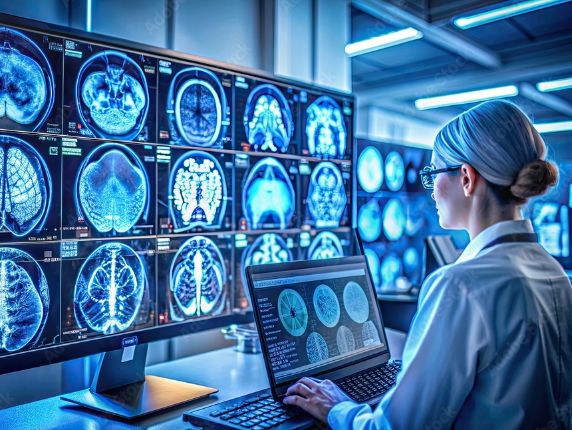
MUMBAI, Sept 8: Mumbai’s KEM Hospital is set to pilot an artificial intelligence-based assessment programme aimed at supporting the early detection of brain disorders, marking another step towards the integration of advanced technology into clinical care.
Under the pilot project, around 150 patients will undergo AI-assisted assessments. The technology is expected to help doctors analyse patient information and identify indicators that could warrant further neurological evaluation.
The initiative reflects the growing use of artificial intelligence in healthcare, where digital tools are increasingly being explored to assist medical professionals with screening, diagnosis and treatment planning.
Early identification can be particularly important in neurological conditions, as timely evaluation may allow patients to receive appropriate treatment and follow-up care sooner. However, AI-based systems are intended to support clinical decision-making rather than replace doctors.
The KEM Hospital initiative comes amid increasing interest in using technology to expand access to specialised healthcare and improve diagnostic capabilities. Hospitals and medical institutions are evaluating AI applications across areas ranging from radiology and pathology to neurological assessment.
Healthcare experts have also stressed the importance of validating such systems in real world clinical environments. Factors including data quality, accuracy, patient privacy and the ability of medical professionals to interpret AI-generated results remain crucial to successful implementation.
The pilot at KEM Hospital could provide useful insights into how artificial intelligence can be incorporated into routine neurological assessment while keeping physicians at the centre of patient care.
The project is part of a broader movement towards technology-assisted healthcare, with institutions increasingly examining how digital tools can complement conventional medical expertise and potentially facilitate earlier intervention.

