


Tilak Varma, Nitish Reddy Script India’s Thrilling Four-Wicket Win Over New Zealand
India recover from 112/6 to chase down 181 in Christchurch, take a 2-0 lead in the five-match series and move within one victory of clinching the contest.
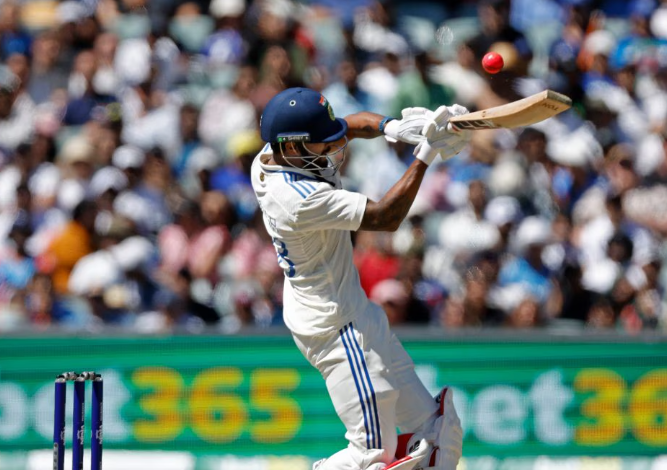
CHRISTCHURCH, Oct 24: Tilak Varma produced a match winning innings under pressure as India defeated New Zealand by four wickets in a dramatic second Twenty20 International at Hagley Oval on Saturday, successfully chasing a target of 181 with one ball remaining to take a 2-0 lead in the five-match series.
India appeared to be in serious trouble after New Zealand captain Mitchell Santner dismantled the middle order, reducing the visitors to 112/6. With 69 runs still required and only four wickets remaining, the contest seemed to be slipping away from the Indian side.
However, Varma and Nitish Kumar Reddy responded with an aggressive counterattack that transformed the match. Their seventh wicket partnership added 69 runs from just 30 deliveries, restoring India’s hopes and carrying the team to 181/6 in 19.5 overs.
Varma remained unbeaten on 51 off 25 balls, earning the Player of the Match award for an innings that combined calculated strokeplay with the ability to accelerate when the required run rate threatened to become overwhelming. Reddy contributed a valuable 26, providing the support needed to keep the chase alive.
The result strengthened India’s position in the series after their four-wicket victory in the opening encounter. The visitors now have an opportunity to secure the series in the third match in Wellington on Tuesday.
New Zealand recover after early setbacks
After being asked to bat, New Zealand finished their allotted 20 overs at 180/5, building a competitive total through a substantial fourth-wicket partnership between Glenn Phillips and Bevon Jacobs.
India’s bowlers made an encouraging start, putting the home side under pressure and restricting its scoring during the early stages. New Zealand had slipped to 43/3, leaving the middle order with the responsibility of rebuilding the innings while ensuring that the scoring rate did not fall away.
Phillips and Jacobs responded with an important stand of 116 runs for the fourth wicket. Their partnership changed the momentum of the innings, allowing New Zealand to recover from the loss of three early wickets and establish a platform for a strong finish.
Phillips was the leading scorer with 70, using his power and range of shots to find boundaries and keep the Indian bowlers from settling into a restrictive rhythm. Jacobs complemented him with 58, demonstrating patience during the rebuilding phase before increasing the tempo as the innings progressed.
The pair’s partnership was particularly significant because New Zealand had been in danger of finishing with a below-par total after the early breakthroughs. Their ability to rotate the strike and punish loose deliveries ensured that India faced a demanding chase.
India’s bowling attack had initially created opportunities to control the innings, but the partnership forced the visitors to reconsider their plans. The New Zealand batters found ways to exploit scoring areas and maintained pressure on the fielding side.
Although India eventually restricted New Zealand to 180/5, the recovery meant that the visitors needed a sustained batting effort to complete the chase. The target was challenging enough to test the depth of India’s middle order, particularly on a day when the home side’s spinners would play a decisive role.
Santner turns the contest in New Zealand’s favour
India began the chase with the intention of maintaining a healthy scoring rate, but New Zealand’s bowlers prevented the visitors from building a comfortable partnership through the middle overs.
Santner emerged as the central figure in the home side’s fightback. The left-arm spinner finished with figures of 4/21, repeatedly breaking India’s rhythm and exposing the lower middle order to mounting pressure.
His wickets left India struggling at 112/6, with the required target still 68 runs away. The situation demanded more than merely rotating the strike: India needed boundaries without losing another wicket.
The dismissal of key batters placed additional responsibility on Varma, who had to balance the need for quick scoring with the risk of ending the innings prematurely. New Zealand’s bowlers were well placed to exploit India’s predicament, while Santner’s control had given the hosts a genuine chance of levelling the series.
Naman Dhir had contributed 31 before becoming another victim of Santner’s spell. His innings helped India remain in contention, but his departure added to the pressure on the remaining batters.
With six wickets down, India could not afford another prolonged period without boundaries. The visitors therefore needed a partnership that would change the pace of the game and force New Zealand to alter their defensive plans.
Varma and Reddy launch a decisive counterattack
Varma and Reddy responded by attacking at precisely the stage when New Zealand appeared to have control. Rather than allowing the required rate to rise beyond reach, the pair looked for scoring opportunities and punished deliveries that could be hit safely into the gaps or over the boundary.
Their 69-run stand from 30 balls dramatically changed the equation. The partnership combined Varma’s clean striking with Reddy’s ability to provide valuable runs at the other end.
Varma’s unbeaten 51 was the defining contribution of the chase. He managed the pressure effectively, choosing his opportunities while ensuring India remained close enough to the target to launch a final push.
Reddy’s 26 proved equally important in the context of the match. With wickets in hand limited, his support meant that Varma did not have to shoulder the entire scoring burden alone. The pair maintained momentum during the closing overs and prevented New Zealand from restoring control.
The partnership also demonstrated the importance of lower-order contributions in T20 cricket. Once the top and middle order have been dismissed, even a short period of effective collaboration can transform a seemingly lost chase into a winning one.
New Zealand had established a strong position through Santner’s bowling, but the final stages showed how quickly that advantage could disappear when batters combine calculated aggression with composure.
India eventually crossed the line at 181/6 in 19.5 overs, winning by four wickets and leaving the home team to reflect on a contest in which it had created a promising opportunity but failed to close it out.
A significant result for India’s T20 campaign
The victory gives India a 2-0 advantage in the five-match series and places the visitors in a strong position ahead of the third match. A win in Wellington would secure the series, allowing the team to approach the remaining fixtures with greater flexibility.
The match also highlighted both the strengths and vulnerabilities of India’s batting line-up. The collapse to 112/6 showed how effectively New Zealand’s spin attack could exploit pressure, while the recovery illustrated the value of depth and adaptability in the shortest format.
For New Zealand, Phillips and Jacobs supplied the innings with a strong recovery, and Santner’s four-wicket spell nearly delivered a match-winning performance. The late failure, however, means the side must find a way to convert promising positions into victories if it is to remain competitive in the series.
The hosts will also need to assess their death over execution after allowing Varma and Reddy to score so freely during the decisive partnership. Restricting the opposition after a middle order collapse is often as important as creating that collapse in the first place.
For India, the result offers encouragement ahead of the next encounter, particularly because the team succeeded despite losing wickets at regular intervals. Varma’s composure and Reddy’s contribution showed that the batting order can recover from difficult circumstances, although the early and middle-order dismissals remain an area to address.
The third T20I in Wellington will provide the next test. India will look to maintain their momentum and seal the series, while New Zealand must respond quickly to prevent the visitors from establishing an unassailable lead.
Saturday’s contest ultimately belonged to Varma and Reddy, whose timely partnership turned a tense chase into a memorable Indian victory. With one ball remaining, India completed the task and moved one step closer to a series triumph.

