


Free Transport, New Hope
A government’s concern for social justice is meaningful only when it touches the everyday life of the citizen. The decision of the Omar Abdullah-led Government to sanction free public transport for differently-abled persons across Jammu and Kashmir is, therefore, a welcome step. It is not merely the fulfilment of a Budget promise made in March; it is a recognition that mobility is directly linked with dignity, independence and equal opportunity.
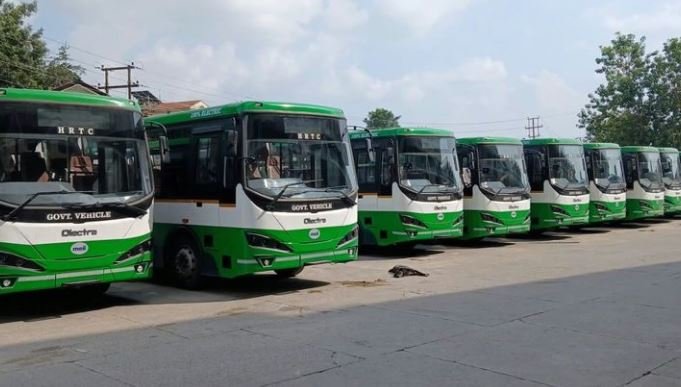
For differently-abled persons, travel is often not simple. A journey to a hospital, school, college, workplace or government office can involve financial burden, physical difficulty and dependence on others. Many families quietly carry this hardship every day. When public transport becomes free for such citizens, it reduces one important barrier. It gives them greater freedom to move, seek services, pursue education, look for work and participate more confidently in society. The decision will cover services operated by the Jammu and Kashmir Road Transport Corporation, besides e-Buses run by Jammu Smart City Limited and Srinagar Smart City Limited. This wider coverage is important because public transport remains the most affordable and dependable mode of movement for a large section of people. For a differently-abled passenger who has to travel frequently, even small daily expenses can become a heavy monthly burden. Free ridership can bring real relief where it is needed most. Chief Minister Omar Abdullah has rightly linked the initiative with social justice and inclusive mobility. Welfare should not remain limited to announcements, certificates or symbolic gestures. Real welfare means making public systems easier, kinder and more accessible. A person who faces mobility challenges should not be pushed further into isolation because travel is costly or inconvenient. A society that claims to be inclusive must first ensure that its roads, buses, offices and services are open to all. At the same time, free travel must be treated as the beginning, not the end, of transport inclusion. A bus ticket may be free, but the journey must also be safe, respectful and accessible. If a differently-abled person cannot board a bus easily, cannot find proper seating, cannot get help from staff, or faces humiliation while proving eligibility, the purpose of the scheme will be weakened. The government must ensure that the benefit is delivered smoothly, without unnecessary paperwork or repeated inconvenience to beneficiaries. Implementation will decide the real success of this decision. Clear guidelines should be issued to transport staff, conductors and drivers. Beneficiaries should know what documents are required and how the facility can be availed. There should be no confusion at bus stands or during travel. Staff must be sensitized to deal with differently-abled passengers with patience and respect. A welfare measure should never become a test of endurance for the very people it is meant to support. The Smart City e-Buses in Jammu and Srinagar should become examples of accessible and dignified public transport. But the government must also look beyond the two main cities. Differently-abled persons living in smaller towns, far-flung areas and rural pockets often face even greater difficulties. If public transport is weak in those areas, free ridership alone may not be enough. The larger objective must be to expand accessible, reliable and affordable transport across districts. This initiative also carries an important administrative message. Budget promises should not remain trapped in files. When commitments are implemented, public trust grows. The government must now monitor the scheme closely and ensure that eligible persons actually benefit. Feedback from differently-abled passengers and their families should be collected regularly so that practical problems can be corrected without delay.
In short, differently-abled citizens do not need sympathy in speeches; they need access, respect and equal rights in daily life. Free public transport must not be seen as charity, but as a rightful step towards inclusion. Jammu and Kashmir must ensure that this decision is implemented with seriousness, sensitivity and accountability. A truly progressive society is one where no citizen is left behind because of physical limitations, financial hardship or administrative neglect. This scheme can become a powerful milestone if it helps differently-abled persons travel with dignity, reach opportunities with confidence and live with greater independence.

