


E-Bus Network Grows in Jammu
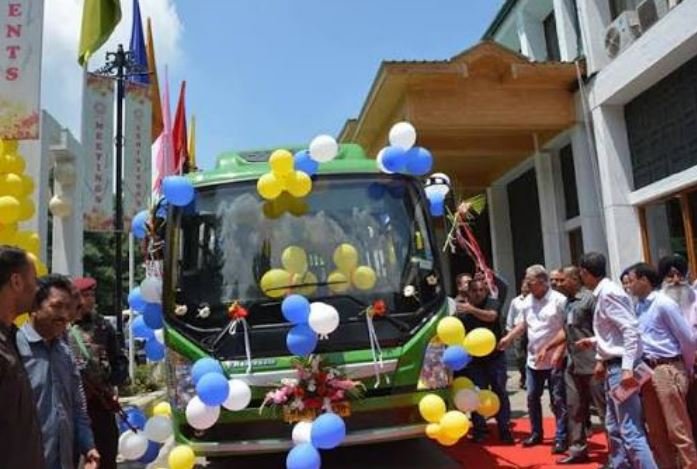
Jammu’s decision to add 25 more electric buses under the PM e-Bus Sewa Scheme is a positive and timely step. It shows that the city is moving in the right direction, towards cleaner public transport and a more modern urban mobility system. But this development should not be viewed only as an increase in the number of buses. It should be treated as part of a bigger responsibility to make public transport more reliable, accessible and useful for ordinary citizens.
Jammu Smart City Limited has already started this journey with 100 electric buses running in the city. The addition of 25 more buses will strengthen the existing fleet and widen the scope of clean mobility. With another 75 buses proposed under the same scheme, Jammu’s electric bus network may eventually grow to 200 buses. This is an important opportunity for the city, but the real success will depend on how effectively these buses are planned, operated and maintained. Jammu is growing fast as a centre of administration, tourism, education, healthcare, trade and economic activity. This growth has brought more vehicles, heavier traffic, parking problems and rising pressure on roads. The city cannot allow congestion and pollution to become the cost of development. A strong electric bus network can help ease this pressure, but only if it is designed around public need and not merely around official targets. Electric buses offer many clear benefits. They reduce pollution, lower noise, save fuel and provide a cleaner travel experience. They also support the larger goal of sustainable urban development. However, a bus system becomes successful only when people trust it. Citizens will use public transport regularly only if buses are punctual, safe, affordable and available on important routes. Clean technology must be matched with dependable service. The development of the Bhagwati Nagar Depot is therefore a crucial part of this entire plan. Electric buses need charging facilities, maintenance support, trained staff, parking space and proper operational systems. Without this support, even the best fleet can face problems. The depot must be completed and managed with seriousness, because it will serve as the backbone of Jammu’s expanding electric mobility network. Jammu Smart City Limited must now ensure that the benefit of this project reaches the people directly. The buses should connect residential colonies, markets, hospitals, schools, colleges, offices, railway and bus terminals, tourist points and other busy areas. Students, women, elderly citizens, workers, employees, traders and daily commuters should all feel that the system has been created for them. Public transport should not remain limited to selected routes or ceremonial visibility. It must become a real daily convenience. There is also a need for proper route planning and service monitoring. People should know when the next bus will arrive, where it will stop and how much the journey will cost. Clean bus shelters, proper signboards, digital ticketing, real-time information and a responsive complaint system can make a major difference. A modern city cannot expect people to depend on public transport if the system remains uncertain. Electric mobility should also be linked with wider traffic reform. Jammu needs better parking discipline, safer pedestrian crossings, improved road management and strong last-mile connectivity. If private vehicles continue to increase without control, electric buses alone will not solve the city’s traffic problems. Public transport must become convenient enough to encourage people to reduce dependence on personal vehicles. The partnership with a professional mobility company can bring technical expertise, but the government and public agencies must maintain strict oversight. Buses must remain well-maintained. Charging systems must function smoothly. Drivers and staff must be trained properly. Passenger complaints must be taken seriously. Service quality should be reviewed regularly, because public transport is not judged by announcements. It is judged by daily experience. Jammu’s electric bus expansion is a welcome move and deserves appreciation. It reflects environmental awareness, modern planning and a desire to improve urban life. But the city must ensure that this initiative does not lose strength after the initial excitement. Green mobility requires patience, discipline and constant attention.
In short, Jammu has taken another important step towards a cleaner and smarter transport future. Now the focus must be on delivery. Every new bus should improve connectivity. Every new route should reduce public inconvenience. Every investment should make commuting easier and more dignified. If this approach is followed sincerely, Jammu can become a strong example of sustainable, people-friendly and future-ready urban mobility.

