


Kharge Reaffirms Congress Support for Constitutional Safeguards in Ladakh theprint.in
Kharge calls for constitutional protection of Ladakh’s land, jobs, environment and culture while seeking accountability over last year’s Leh deaths.
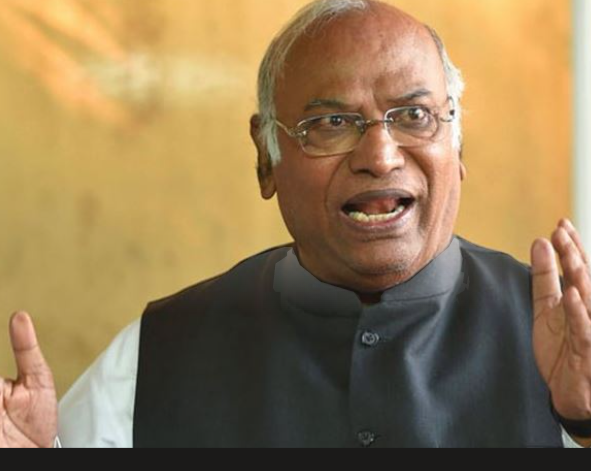
NEW DELHI, Sept 23: Congress president Mallikarjun Kharge on Wednesday reiterated the party’s support for the demand for meaningful constitutional safeguards in Ladakh, including protection under the Sixth Schedule.
Kharge said such safeguards were needed to protect the Union Territory’s land, employment opportunities, environment, culture and identity. His remarks came ahead of the first anniversary of the September 24, 2025, violence in Leh, in which four people were killed during protests over statehood and constitutional protections for Ladakh.
In a post on X, Kharge paid tribute to those who lost their lives and expressed solidarity with their families. He said the judicial inquiry into the events should establish the complete facts, determine accountability and ensure justice.
Kharge also said the people of Ladakh had waited for their aspirations to be addressed and called for the restoration of democratic and representative institutions in the region.
He maintained that residents of Ladakh should have an effective role in decisions concerning their future. The Congress president reiterated that the party supports constitutional measures aimed at safeguarding local interests, including land and employment, as well as the region’s distinctive cultural and environmental character.
The statement comes as demands for greater constitutional protection and political representation remain a major issue in Ladakh. Activist Sonam Wangchuk is scheduled to lead a 20-km symbolic march in Leh on September 23, followed by a Martyrs’ Day programme on September 24 to mark the first anniversary of last year’s deaths.
The Centre and representatives of Ladakh have also been engaged in discussions on the region’s constitutional and administrative concerns. Recent developments indicate that the question of an appropriate framework for protecting local interests remains under discussion.

