


WHO Warns of Rising Non-Communicable Disease Burden as Global Health Patterns Shift
WHO data shows life expectancy has nearly returned to pre-pandemic levels, but chronic diseases, dementia and mental health problems are placing growing pressure on health systems.
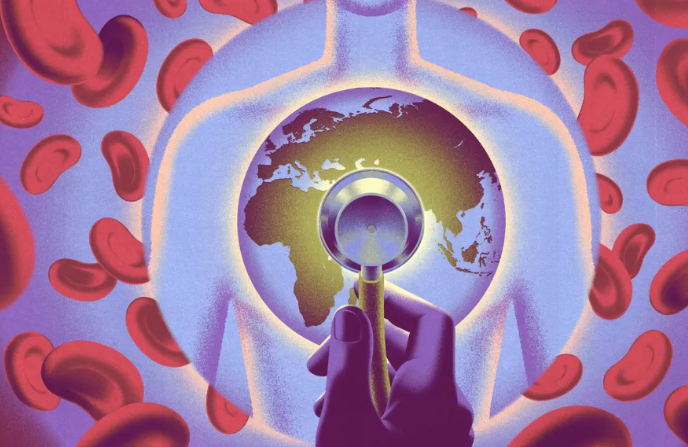
Geneva, Oct 3: The global health landscape is undergoing a major shift, with non-communicable diseases now responsible for nearly three-quarters of deaths worldwide, according to new estimates released by the World Health Organization.
The latest WHO Global Health Estimates, covering health trends from 2000 to 2023, show that global life expectancy recovered to 73.3 years in 2023, bringing it close to levels recorded before the COVID-19 pandemic. However, healthy life expectancy has not yet returned to its 2019 level.
The findings underline a complicated recovery for global health. While people are once again living longer on average, the burden of chronic illnesses and other long-term conditions has grown substantially.
WHO data presented at a UN briefing on October 2 showed that non-communicable diseases accounted for 74 per cent of deaths globally, compared with 58 per cent in 2000. Eight of the world’s ten leading causes of death are now non-communicable diseases.
The figures point to a continuing transition in the causes of illness and mortality. Cardiovascular diseases, cancers, chronic respiratory conditions and other long-term illnesses are placing increasing pressure on health systems.
The changing disease pattern means countries face a dual challenge. They must continue preparing for infectious disease outbreaks while also expanding long-term services for people living with chronic conditions.
The WHO estimates also highlighted a sharp increase in deaths associated with dementia. Dementia-related deaths have tripled over the period covered by the latest assessment, adding to the growing healthcare needs of ageing populations.
Mental health has also emerged as a major concern. Anxiety and depression-related health loss has increased significantly since the pandemic, reflecting the long-term impact of the disruption caused by COVID-19 and its social and economic consequences.
The data provides a broad picture of how health conditions have changed across countries and regions over more than two decades. It also demonstrates that longer life does not automatically mean healthier life.
For healthcare systems, this distinction is important. People may live longer while spending more years managing chronic diseases, disabilities or conditions requiring continuing medical support.
The changing global pattern is likely to increase demand for preventive care. Early detection, regular screening, healthier lifestyles and timely treatment can play an important role in reducing the impact of chronic illnesses.
Health systems will also need to strengthen primary care so that patients can receive continuing support closer to their homes rather than depending entirely on specialised hospitals.
The growing prevalence of non-communicable diseases has implications for healthcare financing as well. Chronic conditions often require long-term medication, repeated consultations, diagnostic tests and ongoing monitoring.
Countries with limited healthcare resources could face particularly difficult choices as they attempt to address these needs while maintaining preparedness for infectious diseases and emergencies.
The WHO estimates come at a time when health systems are also confronting the consequences of climate change, conflicts, population ageing and unequal access to medical services.
Recent developments in conflict-affected regions illustrate how quickly healthcare gains can be threatened. In Gaza, WHO has warned that delays in medical supplies and shortages of diagnostic equipment are undermining the ability of health authorities to detect and respond to disease outbreaks.
At a UN Geneva briefing, WHO officials said around 40 per cent of laboratory and diagnostic equipment shipments remained pending approval. The agency also reported repeated difficulties in getting prosthetics and assistive devices into Gaza.
The situation demonstrates that healthcare delivery depends not only on the availability of medicines but also on functioning laboratories, diagnostic equipment, rehabilitation services and reliable supply chains.
Globally, these challenges reinforce the importance of resilient health infrastructure.
The latest WHO figures also highlight the need to rethink how healthcare systems measure success. Longer life expectancy is an important achievement, but it must be accompanied by efforts to improve the quality of those additional years.
Healthy ageing, therefore, is becoming an increasingly important policy priority. Governments will need to consider how healthcare, social support and community services can work together to help older people remain independent for as long as possible.
The rise in dementia-related deaths further strengthens the case for investing in elderly care, neurological services, caregiver support and early diagnosis.
Mental health services likewise require greater attention. The increase in anxiety and depression-related health loss since the pandemic suggests that psychological wellbeing remains a significant component of the world’s health burden.
For younger populations, prevention and early intervention could help reduce the long-term consequences of mental health conditions. For older adults, integrated care can help address the interaction between physical illness, cognitive decline and emotional wellbeing.
The WHO findings also show why health policies cannot rely solely on emergency responses. Building strong primary healthcare networks and prevention programmes is essential to managing the diseases that account for the majority of deaths.
At the same time, countries must retain the capacity to respond quickly to infectious threats. The ongoing Ebola outbreak in the Democratic Republic of Congo demonstrates that deadly infectious diseases remain capable of overwhelming vulnerable health systems.
The combination of chronic disease, emerging infections and humanitarian emergencies means health authorities must manage multiple risks simultaneously.
The latest global estimates consequently provide both encouraging and concerning signals. The recovery in life expectancy indicates that some of the disruption caused by the pandemic has been overcome. Yet the continuing gap in healthy life expectancy shows that significant challenges remain.
The data also makes clear that health progress is uneven. Countries differ greatly in their ability to prevent disease, provide treatment and support ageing populations.
Closing those gaps will require sustained investment in primary care, disease prevention, mental health, diagnostics and public health infrastructure.
As the global population ages and chronic illnesses become an increasingly dominant cause of death, healthcare systems will have to move beyond treating individual episodes of illness.
The future of global health will increasingly depend on prevention, early diagnosis, continuous care and the ability to keep people healthy for longer.
The WHO estimates provide a reminder that improving longevity is only one part of the health equation. The larger goal is to ensure that longer lives are accompanied by better health, stronger healthcare systems and equitable access to essential services.

