


Maharashtra Approves Higher Hostel Allowance for Tribal Students, New Centres of Excellence
The state Cabinet has cleared measures aimed at improving residential support for tribal learners and strengthening research and innovation in higher education.
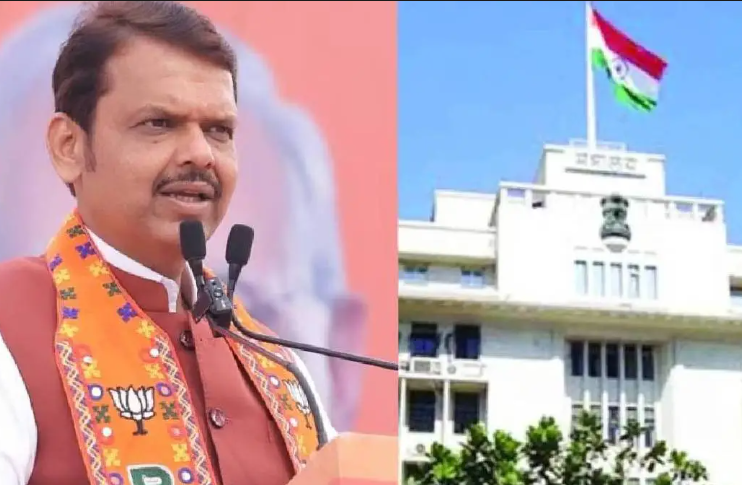
MUMBAI, Oct 6: The Maharashtra Cabinet has approved an increase in hostel allowances for tribal students as part of a wider set of measures aimed at strengthening educational opportunities and improving access to higher learning.
The decision is expected to provide additional financial support to students from tribal communities who depend on residential facilities while pursuing their education away from their home areas.
For many students from remote communities, access to higher education can be affected by distance, transportation costs and the availability of suitable accommodation. Hostel assistance can reduce some of these barriers and make it easier for students to continue their studies.
The Cabinet also approved a new programme, CM-SRISTHI, to establish centres of excellence in state universities and technical institutions. The initiative is intended to promote research, innovation and advanced academic activity across higher education institutions.
The two decisions address different but connected aspects of education. While enhanced hostel assistance focuses on improving access for students, the proposed centres of excellence are aimed at strengthening the quality and research capabilities of institutions.
Higher education opportunities are often concentrated in urban centres, creating difficulties for students from rural and tribal regions. Financial assistance for accommodation can help bridge this geographical gap by enabling students to remain enrolled in colleges and universities located away from their communities.
The enhanced support can be particularly relevant for students who face financial limitations. Accommodation and daily living expenses can represent a substantial portion of the cost of pursuing higher education.
By increasing hostel assistance, the state is seeking to reduce the financial pressure on eligible students and support continuity in education.
The Cabinet’s approval of CM-SRISTHI adds another dimension to the government’s higher education plans. Centres of excellence can provide institutions with dedicated platforms for specialised research and innovation.
Such centres can bring together faculty members, researchers and students around specific academic areas. They can also support collaboration between universities, technical institutions and industry.
Research capacity has become an increasingly important measure of the strength of higher education institutions. Universities are expected not only to deliver classroom instruction but also to contribute to scientific research, technological development and solutions to social and economic challenges.
The proposed centres could help institutions build stronger research ecosystems by creating specialised infrastructure and encouraging academic collaboration.
Innovation is another major component of the initiative. Students and researchers require opportunities to develop ideas, conduct experiments and work on practical problems. Dedicated centres can provide an institutional framework for such activities.
The programme may also help state institutions compete more effectively in an increasingly competitive higher education environment. Universities with strong research facilities and specialised programmes can attract students, faculty members and external research partnerships.
The Cabinet decisions also highlight the importance of addressing both access and quality in education. Expanding the number of students entering higher education is only one part of the challenge. Institutions must also provide strong academic resources and opportunities for research and professional development.
For tribal students, financial assistance can play an important role in ensuring that increased access translates into continued participation. Students who are able to secure admission but cannot afford accommodation may still face difficulties completing their studies.
Residential support can therefore contribute to reducing dropout risks associated with financial hardship and geographical isolation.
The measure may also have wider social implications. Higher education can improve employment opportunities and provide students with skills needed for professional careers. Supporting learners from underserved communities can consequently contribute to greater social and economic mobility.
Meanwhile, the creation of centres of excellence can help build a stronger knowledge ecosystem within Maharashtra. Universities and technical institutes can become hubs for research, innovation and collaboration rather than functioning solely as teaching institutions.
The initiative is also relevant to the changing needs of the labour market. Industries increasingly seek graduates with practical knowledge, research exposure and problem-solving abilities. Academic institutions with stronger innovation programmes can help students develop these capabilities.
Research-driven education can further encourage students to pursue careers in science, technology, engineering and other specialised fields.
The establishment of centres of excellence may also create opportunities for interdisciplinary work. Complex challenges such as climate change, public health, sustainable development and technological transformation require expertise from multiple academic fields.
Institutions can use specialised centres to bring researchers from different disciplines together and encourage collaborative projects.
The Cabinet’s decisions therefore combine immediate student welfare with longer-term institutional development. Higher hostel support can address an immediate financial challenge faced by eligible tribal learners, while CM-SRISTHI is designed to strengthen the academic and research environment.
Implementation will be important in determining the eventual impact of both measures. The effectiveness of hostel assistance will depend on timely delivery and appropriate coverage, while the success of centres of excellence will depend on research infrastructure, faculty expertise, funding and meaningful academic partnerships.
The decisions nevertheless represent a broader effort to strengthen Maharashtra’s education system at different levels.
By improving residential support for students from tribal communities and investing in research-oriented institutions, the state is seeking to address two key priorities: making higher education more accessible and improving its capacity to generate knowledge and innovation.
The Cabinet’s October 6 decisions could therefore have implications beyond individual institutions. If implemented effectively, the measures may support greater participation among disadvantaged students while helping state universities and technical institutes develop stronger research and innovation capabilities.

