


Mandaviya Inaugurates BRICS Traditional Sports Meet, Says Sports Strengthen Global Ties
Ahmedabad hosts a cultural sporting exchange featuring indigenous games from BRICS member and partner nations, with India proposing measures to preserve traditional sports and promote international cooperation.
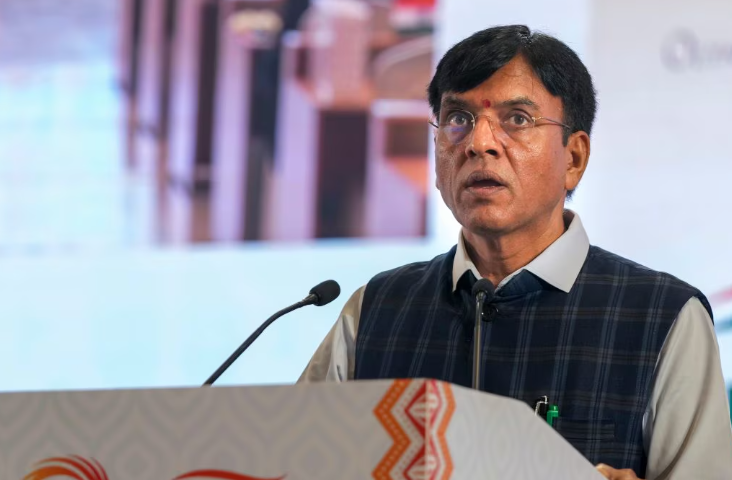
AHMEDABAD, Oct 12: Union Minister for Youth Affairs and Sports Mansukh Mandaviya on Monday inaugurated the BRICS Traditional and Indigenous Sports Demonstration Games 2026 in Ahmedabad, emphasising that traditional sporting practices serve as a bridge between cultures and help strengthen relationships among nations.
The one-day event, organised by the Union Ministry of Youth Affairs and Sports in collaboration with the Gujarat government, was held at the Veer Savarkar Sports Complex. It brought together delegations from BRICS member and partner countries to showcase indigenous games, exchange cultural knowledge and preserve sporting traditions for future generations.
Mandaviya said traditional sports represented the cultural identity, historical legacy and customs of communities across the world. He stressed that such activities extended beyond physical competition by encouraging mutual understanding, international cooperation and people-to-people connections.
Highlighting India’s efforts to strengthen its sporting ecosystem under Prime Minister Narendra Modi, the minister said the country was expanding infrastructure and creating opportunities for athletes through better training facilities, sports science, athlete welfare and international exposure.
He also referred to initiatives such as Khelo India, which encourage greater public participation in sports and promote physical fitness as part of everyday life.
Mandaviya noted that many indigenous games had evolved from local occupations, lifestyles, festivals and community traditions. Preserving these practices, he said, was essential to safeguarding cultural heritage while introducing younger generations to their historical significance.
Citing examples from India, he highlighted Mallakhamb for its emphasis on balance, strength and body control, while describing Kalaripayattu as an important expression of the country’s martial arts heritage. He also referred to yoga as India’s contribution to promoting harmony between the mind and body.
The minister called for greater participation of women, equal opportunities and inclusive access to sporting activities. He urged participating countries to strengthen international partnerships, exchange knowledge and establish regular dialogue to document traditional games and ensure their continued practice.
The demonstrations followed a non-competitive format, focusing on showcasing indigenous sporting techniques, documenting practices and facilitating interaction among practitioners rather than determining winners.
Gujarat Deputy Chief Minister Harsh Sanghavi also addressed the inaugural ceremony, urging BRICS nations to cooperate in protecting their traditional sporting heritage and expanding its international reach.
Sanghavi said India’s indigenous games reflected its cultural diversity, social cohesion and national identity. He described the gathering as an opportunity to preserve folk traditions while building stronger cultural connections between participating countries.
Referring to India’s historical association with sports, he cited accounts of chariot racing during the Rigvedic period, archery traditions associated with Lord Ram and mace fighting, known as malla-yuddha, linked to the Mahabharata.
He said sporting activities had long promoted discipline, respect for teachers, consistent practice, adherence to rules and a sense of responsibility. Sports, he added, could bring people together regardless of differences in language, clothing or cultural background.
The Deputy Chief Minister said the Gujarat government was working to establish a stronger sporting infrastructure by improving facilities in rural areas and developing sports complexes at district and taluka levels.
He also highlighted Ahmedabad’s ambitions as an international sporting destination, referring to its planned hosting of the International World Police and Fire Games in 2029 and the Commonwealth Games in 2030. He further mentioned India’s bid to host the 2036 Olympic Games.
Sanghavi proposed five measures to strengthen the preservation and global promotion of traditional sports. These included establishing a multilingual digital archive documenting indigenous games, introducing traditional sporting activities in schools and colleges, developing safe competition formats, creating employment opportunities for local artisans and making the BRICS demonstration games a regular event.
The participating nations showcased a wide variety of traditional disciplines, reflecting their distinct histories and cultural practices.
India presented Mallakhamb, Yogasana and Kalaripayattu, while China showcased Wushu and lion dance. Brazil featured Capoeira and Corrida de Toras, Iran presented Zoorkhaneh, Kazakhstan demonstrated Qazaq Kuresi, Russia showcased Sambo, and South Africa presented Kgati and Iintonga.
Belarus, Bolivia, Ethiopia and the United Arab Emirates also participated by presenting their traditional sporting practices.
The gathering highlighted the potential of indigenous sports to preserve cultural knowledge, encourage community participation and foster cooperation among countries. Organisers said the exchange offered an opportunity to document traditional disciplines and promote their continued relevance in contemporary society.

