


Supreme Court Says Professional Course Fees Cannot Be Increased Midway Except in Exceptional Cases
The ruling stresses transparency in education costs, requiring institutions to disclose the full course fee before admission and limiting mid-course changes to exceptional circumstances.
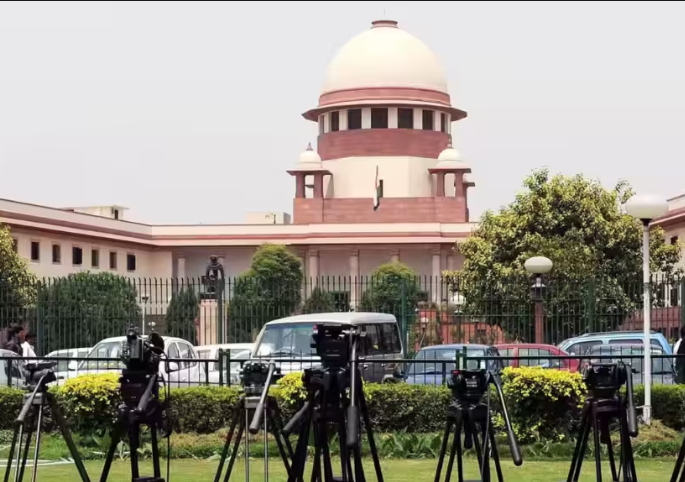
NEW DELHI, October 15: The Supreme Court has ruled that self-financing higher education institutions cannot ordinarily change the fee structure of professional courses after students have secured admission, emphasising the need for financial certainty and transparency in higher education.
The court held that institutions offering professional programmes, including medicine, engineering and pharmacy, must disclose the fees payable for the entire course before admitting students. Any subsequent variation in the fee structure would be permissible only in exceptional circumstances, such as an unforeseen increase in expenditure.
The ruling was delivered by a bench of Justices P S Narasimha and Alok Aradhe on Wednesday. The judgment highlights the importance of protecting students from unexpected financial burdens while recognising that educational institutions must have adequate resources to maintain academic standards and provide essential facilities. Court stresses certainty in education expenses
The Supreme Court’s decision addresses an important concern for students and families who commit substantial financial resources to professional education. Tuition fees, accommodation, books, equipment and other academic expenses can make higher education a major long-term investment.
Students generally select institutions after considering the published fee structure, available facilities, academic reputation and future career opportunities. An unexpected increase after admission can disrupt household budgets and create difficulties for students who have limited financial flexibility.
The court stressed that students should have clarity about their financial obligations before entering a programme. Institutions must therefore communicate the applicable fee structure in advance so that candidates and their families can make informed decisions.
The judgment also makes clear that institutions cannot treat changes to fees as an unrestricted administrative decision. Any exceptional increase would need to be justified by the circumstances rather than imposed routinely during the course.
Balance between institutions and students
The court acknowledged that professional education involves balancing two legitimate interests. Educational institutions require sufficient funding to operate effectively, pay staff, maintain infrastructure and support academic activities. Students, meanwhile, need predictable costs and protection against unjustified increases.
The ruling does not suggest that institutions can never revise fees under any circumstances. Instead, it establishes that changes during an ongoing course should remain exceptional and must be supported by genuine reasons, such as unforeseen expenditure.
This distinction is important for institutions facing rising operating costs. It reinforces the need for proper financial planning and transparent fee-setting procedures before admissions begin.
For students, the decision provides greater clarity about the limits of institutions’ authority to revise charges after enrolment. For administrators, it underlines the importance of ensuring that fee policies comply with applicable regulations and are communicated clearly.
Implications for professional colleges
The judgment has implications for self-financing institutions offering programmes in fields such as engineering, medicine and pharmacy. These courses often involve significant infrastructure, equipment, faculty and operational expenses.
Institutions will need to give careful attention to their published fee schedules and ensure that students understand the costs associated with completing their programmes. Transparent disclosures can help prevent disputes and strengthen confidence in the admission process.
Regulatory authorities and fee-fixation committees also play an important role in overseeing institutional charges. Their responsibilities include ensuring that fee structures are determined in accordance with applicable rules and that students are treated fairly.
The Supreme Court’s decision reinforces the importance of regulatory oversight in preventing arbitrary financial changes during a student’s academic journey.
What students and parents should know
Students considering admission to professional courses should carefully review the complete fee structure before accepting an offer. They should retain admission documents, official fee schedules and receipts so that the agreed financial terms can be verified if a dispute arises.
Families should also check whether the institution has clearly disclosed additional compulsory charges, payment schedules and applicable refund conditions. Where a college announces an increase after admission, students can examine the written justification and seek guidance from the relevant regulatory authority.
The ruling does not automatically settle every possible fee dispute. The circumstances of an individual case, applicable regulations and the nature of any claimed exceptional expenditure may still require examination.
Nevertheless, the decision provides an important principle: students should not ordinarily face a changing fee liability after committing to a professional course on the basis of the announced charges.
Strengthening transparency in higher education
The judgment adds to the broader discussion about affordability, accountability and access to professional education in India. Rising education expenses can influence students’ choices, particularly those from families that depend on savings or education loans.
Predictable fee structures can help students compare institutions, plan their finances and assess whether they can complete a course without facing unexpected costs. They can also encourage colleges to improve budgeting and communicate financial requirements more effectively.
For the higher education sector, the ruling emphasises that financial sustainability and student protection must be addressed together. Institutions need the resources to deliver quality education, but their fee policies must also provide clarity and follow the applicable legal framework.
The Supreme Court’s decision establishes that transparency at the admission stage is essential and that mid-course fee revisions must remain limited to exceptional situations. It places financial certainty at the centre of the relationship between professional colleges and their students, reinforcing the need for clear rules and responsible institutional administration.

