


India’s Infrastructure Output Grows 7.9% in September on Strong Power and Refinery Production
Growth across electricity, refinery products, iron ore and coal lifts India's core infrastructure index to its strongest reading under the current data series, although declining crude oil, natural gas and fertiliser production remain concerns.
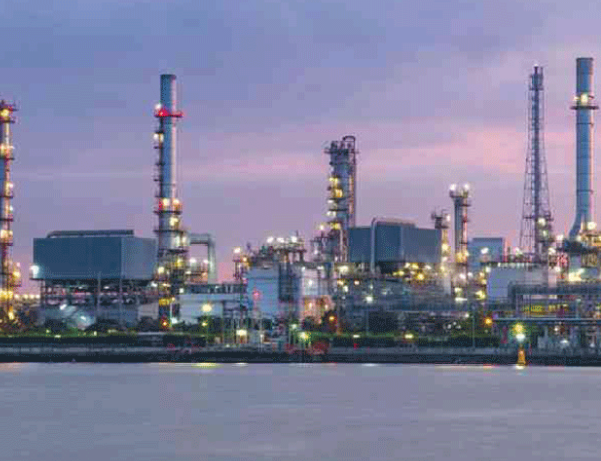
NEW DELHI, Oct 21: India’s infrastructure output expanded 7.9 per cent year on year in September, reaching its strongest level under the current data series as higher electricity generation, refinery production and mining activity supported industrial performance, according to government data released on Wednesday.
The growth was substantially higher than the revised 5.9 per cent expansion recorded in August, indicating stronger activity across several industries that provide essential inputs for manufacturing, construction, transportation and other economic sectors.
The infrastructure index tracks production across nine core industries: coal, crude oil, natural gas, refinery products, fertilisers, steel, cement, electricity and iron ore. Together, these sectors account for approximately one-third of India’s industrial production, making their performance an important indicator of economic momentum.
The September figures offered encouraging signs for industrial activity, particularly as electricity generation and petroleum refining registered double digit growth. Iron ore production also accelerated considerably, while coal output recovered from the decline recorded in the previous month.
However, the performance was uneven. Crude oil, natural gas and fertiliser production continued to contract, highlighting areas where domestic supply conditions remain challenging.
The latest figures also showed an improvement in cumulative performance during the first half of the financial year. Core infrastructure output increased 5.1 per cent between April and September, compared with growth of 2.5 per cent during the corresponding period of the previous financial year.
The stronger six-month performance suggests that the industrial sector entered the second half of the year with greater momentum, although the sustainability of this improvement will depend on demand conditions, energy availability and investment activity.
Electricity and Refinery Production Lead Expansion
Electricity generation increased 11.4 per cent in September compared with the same month a year earlier. Although this was slower than the revised 13.1 per cent growth recorded in August, the sector continued to provide a substantial contribution to overall infrastructure expansion.
Electricity is essential for industrial production, commercial activity and household consumption. Strong generation can reflect higher demand from factories, businesses and other users, although production figures alone do not establish the precise sources of demand.
The expansion also highlights the importance of maintaining reliable power supplies as India increases its manufacturing capacity and develops infrastructure.
Refinery products recorded another significant improvement, rising 10.3 per cent year-on-year in September against a revised increase of 5.6 per cent in August.
Higher refinery output can support the availability of petroleum products used by transportation networks, industrial establishments, agriculture and other sectors. Refining activity also plays an important role in India’s energy trade, with domestic refineries supplying both domestic consumers and overseas markets.
Nevertheless, stronger refinery production should not be confused with an improvement in domestic crude oil extraction. Refinery output depends on crude processing and the availability of feedstock, including imported supplies, as well as demand for finished petroleum products.
This distinction is particularly important when international crude prices are elevated. Higher processing activity can support industrial production, but expensive imported oil may increase costs for refiners and the wider economy.
Iron Ore and Coal Output Improve
Iron ore production registered the strongest increase among the major sectors, rising 18.4 per cent in September compared with growth of 5.5 per cent in August.
The improvement may support steelmaking and other industrial activities that depend on mineral inputs. Iron ore availability is important for the domestic metals industry, which supplies construction projects, engineering companies, transport equipment manufacturers and infrastructure developers.
Steel production grew 4.9 per cent during the month, compared with a revised 3.5 per cent expansion in August.
The acceleration in steel output indicates improved activity in another key industrial segment. Steel demand is closely associated with construction, infrastructure development, machinery production and manufacturing.
Cement production increased 9.8 per cent year on year, although growth moderated from the revised 11.7 per cent recorded in August.
The continued expansion in cement output points to sustained activity in construction-related industries. Public infrastructure expenditure, housing development and private construction projects can all influence demand for cement and steel.
Coal production rose 10.7 per cent in September, reversing a 3.8 per cent contraction in August. The recovery is significant because coal remains an important source of fuel for electricity generation and several industrial processes.
Higher coal availability can help support power generation and reduce supply constraints, although the broader energy outlook also depends on transport capacity, inventory levels, plant requirements and the changing contribution of renewable energy.
Oil, Gas and Fertiliser Production Remain Weak
Despite the strong headline reading, three sectors continued to record declines.
Crude oil production fell 1.4 per cent in September, improving from a 3.6 per cent contraction in August. Natural gas output declined 4.6 per cent, compared with a 4.9 per cent fall in the previous month.
Fertiliser production dropped 11.7 per cent, following a revised 12.4 per cent contraction in August.
The continued weakness in these industries presents challenges for energy security and agricultural supply chains. Lower domestic crude oil production can increase dependence on imports, while declining natural gas output may affect the availability of domestic fuel for power generation, industry and fertiliser manufacturing.
Fertiliser production is particularly important for agriculture, where seasonal demand and the availability of essential nutrients can influence farm costs and crop productivity. However, the effect of a decline in domestic output on actual supplies depends on inventories, imports and distribution arrangements.
The improvement in the pace of contraction in crude oil and natural gas production is a relatively positive development, but both sectors remain below their year-earlier levels.
What the Numbers Mean for Economic Growth
The core infrastructure index is closely watched because its constituent industries supply inputs to a wide range of economic activities.
Higher electricity generation, mining production, steel output and cement manufacturing can support construction, manufacturing and investment. These sectors also have links with employment, transportation and demand for industrial equipment.
The September performance therefore provides evidence of improving momentum in parts of the production economy.
However, the core sector index is not a complete measure of economic growth. It does not capture the entire services economy, consumer spending or every segment of manufacturing. A stronger reading must be considered alongside other indicators, including factory output, business investment, employment, exports and household demand.
The distribution of growth also matters. An expansion concentrated in a few energy-intensive industries may have a different economic impact from a broad-based improvement across manufacturing and services.
For policymakers, the data offer encouragement but do not remove concerns over imported energy costs and inflation. Higher global crude prices can increase operating expenses even when domestic production indicators improve.
If fuel and transportation costs rise, manufacturers and construction companies may face pressure on their margins. Businesses could respond by increasing prices, reducing other expenditure or postponing investments.
Investment and Infrastructure Development
The performance of core industries is also relevant to India’s long-term infrastructure ambitions.
Roads, railways, ports, power networks, housing and industrial facilities require substantial quantities of steel, cement, electricity and other materials. Strong production in these sectors can help meet demand generated by new projects.
At the same time, sustained growth requires adequate investment in production capacity, logistics, storage and distribution. Infrastructure bottlenecks can raise costs and limit the benefits of stronger industrial output.
Private investment will also depend on expectations about future demand. Companies are more likely to expand capacity when they anticipate sustained orders and reasonable returns on capital.
Government infrastructure spending can provide an important source of demand, but the durability of industrial expansion will depend on whether private-sector activity and household consumption also remain supportive.
Energy availability is another key factor. Continued declines in domestic crude oil and natural gas production underline the importance of diversifying supply, improving efficiency and expanding alternative energy sources.
Outlook
September’s 7.9 per cent increase in core infrastructure output marks a strong improvement over August and points to better industrial momentum during the first half of the financial year.
Electricity, refinery products, iron ore and coal provided the principal support, while steel and cement also recorded growth. However, continued declines in crude oil, natural gas and fertiliser output show that the recovery remains uneven.
The next few months will be important in determining whether the improvement translates into sustained manufacturing growth and stronger investment.
Developments in global energy markets, domestic demand, government capital expenditure and private-sector capacity expansion will influence the outlook.
For now, the September figures offer a positive signal for India’s industrial economy, while highlighting the need to address persistent weaknesses in key energy and agricultural input industries.

