


WHO Launches Global Framework to Track Extreme Heat Risks for Pregnant Women and Children
New WHO, WMO, UNICEF and UNFPA indicators aim to help countries identify heat-related health complications, improve early warnings and strengthen protection for mothers, newborns and children as temperatures rise.
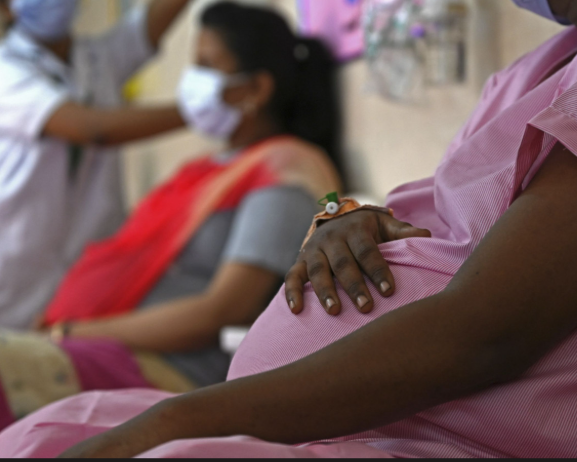
Mumbai : The World Health Organization (WHO), the World Meteorological Organization (WMO), the United Nations Children’s Fund (UNICEF) and the United Nations Population Fund (UNFPA) have introduced a new global framework to help countries monitor the effects of extreme heat on pregnant women, newborns and children.
Announced on October 21, the initiative establishes priority indicators that governments and public health authorities can use to identify potential links between high temperatures and adverse maternal and child health outcomes.
The framework comes as heatwaves become more frequent, last longer and reach greater intensity in many parts of the world. Health experts warn that pregnant women, infants and young children face particular challenges during periods of extreme temperatures because of their physiological needs and limited ability to protect themselves from excessive heat.
The four organisations said the proposed indicators would help countries strengthen health surveillance, improve preparedness and adapt healthcare services to climate-related risks.
The new approach is intended to connect routine medical records with environmental information, allowing authorities to investigate whether health complications increase during periods of unusually high temperatures.
According to WHO, existing monitoring systems do not always capture the full impact of heat exposure on maternal, newborn and child health. The framework seeks to address this gap by offering a structured approach that countries can adapt to their healthcare systems and local conditions.
Rising Temperatures Linked to Pregnancy Complications
Extreme heat is increasingly recognised as a public health concern extending beyond heat exhaustion and dehydration. Exposure during pregnancy has also been associated with adverse outcomes affecting mothers and their babies.
Research cited by WHO indicates that heat exposure is associated with a 26 per cent increase in the odds of preterm birth. Premature delivery can create additional medical challenges because babies born before completing their development may require specialised neonatal care.
High temperatures can place additional strain on the body during pregnancy, when physiological changes increase the demands on circulation and temperature regulation. Dehydration and heat stress may further complicate these challenges, particularly for women who work outdoors or lack access to cool indoor environments.
Pregnancy-related hypertension, low birthweight and stillbirth are among the outcomes that health authorities want to monitor alongside temperature records.
However, identifying a possible association between heat and a medical complication does not automatically establish that temperature was the sole cause. Researchers and public health teams need to consider other factors, including existing medical conditions, access to healthcare, nutrition and the duration of exposure.
The new indicators are intended to help authorities identify concerning patterns and investigate them systematically rather than relying on isolated observations.
Newborns and Children Face Growing Exposure
Infants and young children are particularly vulnerable during heatwaves because their bodies regulate temperature differently from those of adults. Babies also depend entirely on caregivers for hydration, suitable clothing, ventilation and protection from hot surroundings.
WHO reported that children under one year of age experienced 389 per cent more heatwave days in 2024 compared with the 1986–2005 baseline period.
The organisation also estimates that approximately 1.5 billion children worldwide are exposed to heatwaves that are becoming more frequent, longer or more severe.
These figures highlight the scale of the challenge facing healthcare systems, families and schools as extreme heat becomes a more prominent feature of everyday life.
High temperatures can affect children’s hydration, sleep, physical activity and ability to concentrate. Heat can also disrupt school attendance and place additional pressure on families who must arrange childcare or seek medical assistance during dangerous weather.
For newborns, the consequences can be especially serious when access to clean water, reliable electricity, adequate ventilation or specialised medical care is limited.
The framework encourages countries to monitor child health outcomes and service use alongside exposure data, helping officials determine where additional protection may be needed.
Four Areas Identified for Monitoring
The new framework groups its priority indicators into four broad areas designed to help countries build a more comprehensive picture of heat-related health risks.
1. Routine maternal and child healthcare records
Medical services can track outcomes such as preterm births, stillbirths, low birthweight and pregnancy-related hypertension. Monitoring these indicators during hot periods may help identify unusual changes requiring further investigation.
Information about child illnesses, deaths and healthcare visits can also help authorities assess whether extreme temperatures are placing additional pressure on families and medical facilities.
2. Public health surveillance systems
Existing disease surveillance and reporting networks can be strengthened to identify emerging health concerns during heatwaves. Timely reporting may allow officials to investigate unusual patterns and direct assistance towards affected communities.
3. Climate and health monitoring
Health records can be examined alongside meteorological information to assess how changing temperatures correspond with medical outcomes. This approach can help researchers distinguish general seasonal patterns from changes that may be associated with unusually severe heat.
4. Heat exposure measurements
Temperature observations and other relevant exposure information can help identify the conditions under which health risks increase. Countries can select indicators suited to their geographical conditions, monitoring capacity and public health priorities.
Together, these categories offer a starting point for integrating climate information into maternal and child healthcare planning.
Healthcare Systems Urged to Prepare for Heatwaves
The agencies have stressed that improved data collection must be accompanied by practical measures to protect vulnerable populations.
Hospitals, maternity centres and primary healthcare facilities may need to review their heat-response arrangements, particularly in areas where high temperatures regularly coincide with limited electricity, water shortages or inadequate cooling.
Pregnant women may require clearer information about heat exposure, access to routine antenatal appointments and guidance on recognising symptoms that need medical attention.
Healthcare workers also need appropriate training to recognise heat-related illness and understand the additional challenges faced by pregnant patients and young children.
Facilities that provide maternity and neonatal services must be able to maintain safe conditions during extreme weather. Reliable power, sufficient drinking water, adequate ventilation and functioning cooling systems can be important components of preparedness.
Authorities can also use heat forecasts to communicate timely warnings and plan for potential increases in healthcare demand.
WHO has called on countries to develop context-specific heat-health action plans that include the needs of pregnant women, newborns and children. Such plans should connect early-warning systems with clearly defined public health responses.
Importance for India and Other Heat-Prone Countries
The framework is relevant to countries such as India, where high temperatures can coincide with substantial differences in housing conditions, access to healthcare and occupational exposure.
Pregnant women working outdoors, families living in poorly ventilated homes and communities with unreliable electricity may have fewer options for avoiding dangerous heat.
Rural populations can face additional difficulties when travelling long distances to reach maternity services during periods of extreme temperatures. In cities, dense construction and limited green spaces can intensify local heat, while crowded healthcare facilities may experience greater demand during severe weather.
Monitoring maternal and child health outcomes alongside local temperature data could help Indian authorities identify areas requiring additional support.
Such information may guide decisions about heat alerts, antenatal outreach, healthcare staffing and the protection of newborns during periods of extreme weather.
The framework does not replace existing clinical guidance or national heat-response policies. Instead, it provides a way to strengthen the evidence used to assess risks and improve public health planning.
Its effectiveness will depend on the quality of available data, coordination between health and meteorological agencies, and the ability of local authorities to translate findings into practical measures.
Data Collection Could Improve Early Intervention
A major objective of the initiative is to help governments recognise warning signs before health problems become more widespread.
If authorities observe a rise in premature deliveries, pregnancy complications or child health visits during periods of extreme heat, they can investigate the reasons and determine whether additional interventions are needed.
Combining environmental and medical information can also help identify communities that experience disproportionate effects, allowing resources to be directed towards areas with greater needs.
For example, local health departments could use emerging patterns to strengthen outreach to expectant mothers, issue targeted warnings to families with infants and assess whether healthcare facilities are adequately prepared for prolonged hot weather.
Consistent indicators could also improve comparisons between regions and help researchers evaluate whether particular interventions are effective.
At the same time, data collection must be supported by appropriate safeguards for patient confidentiality and responsible use of medical information.
The framework provides a foundation for this work, but its practical value will depend on how effectively countries incorporate the indicators into their existing systems.
International Cooperation Needed to Protect Vulnerable Groups
Extreme heat crosses national boundaries, making cooperation between governments and international organisations important for addressing its health consequences.
The involvement of WHO, WMO, UNICEF and UNFPA brings together expertise in public health, meteorology, child welfare and reproductive health.
Their joint initiative reflects a growing recognition that climate preparedness must include specific measures for populations whose health is particularly sensitive to environmental conditions.
Governments can use the indicators to improve surveillance, identify gaps in health services and develop policies that respond to local circumstances. International organisations can support this process by sharing evidence, technical guidance and approaches that have proved effective in different settings.
The agencies’ announcement also places greater emphasis on measuring health outcomes rather than assessing heat exposure solely through weather records.
A New Step in Climate-Responsive Healthcare
The launch marks an important development in efforts to understand how rising temperatures affect pregnancy, infancy and childhood.
By linking health indicators with environmental measurements, the framework aims to help countries identify emerging risks, strengthen early-warning arrangements and make healthcare services more responsive to extreme weather.
The initiative does not eliminate the dangers posed by heatwaves, nor does it provide a standalone medical treatment. Its primary contribution is to improve the information available to decision-makers so that preventive action can be better targeted.
For countries facing increasingly severe heat, the next challenge will be to integrate the indicators into routine monitoring and ensure that findings lead to timely protection for those most at risk.
As climate-related health pressures grow, stronger surveillance and better-prepared healthcare facilities could play an important role in reducing preventable complications among pregnant women, newborns and children.

