


India’s Steel Consumption Set to Reach 177 Million Tonnes in FY27, JSW Steel Says
Infrastructure spending, automobile sales and manufacturing activity are expected to support demand, while rising production costs and cheaper imports remain key challenges for domestic steelmakers.
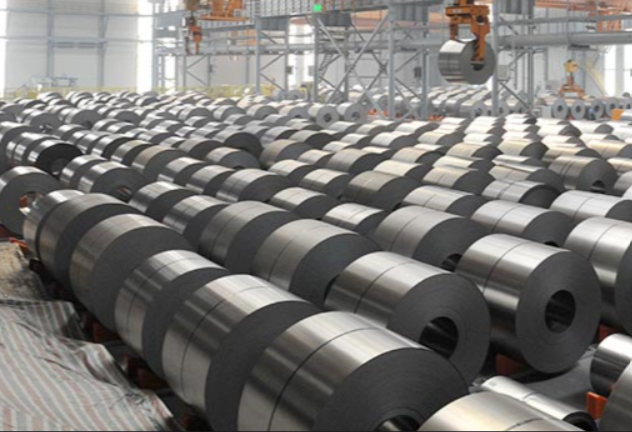
NEW DELHI, October 26: India’s steel consumption is expected to reach 177 million tonnes in the 2026–27 financial year, supported by infrastructure development, stronger private investment and demand from automobile manufacturers and other industrial sectors, according to JSW Steel.
The company expects domestic steel demand to remain resilient despite pressure on production margins caused by rising input costs and fluctuations in selling prices. Its outlook reflects the importance of construction, transportation, manufacturing and public infrastructure projects in driving consumption of the metal.
Jayant Acharya, joint managing director and chief executive officer of JSW Steel, said steel consumption had increased by 7.5 per cent to 85 million tonnes during the first half of the financial year. The company expects demand to reach approximately 92 million tonnes in the second half, taking annual consumption to the projected 177 million tonnes.
The forecast points to continued opportunities for domestic steel producers, although the pace of growth will depend on infrastructure execution, industrial investment and conditions in end-user industries. <Cite refs={[“turn565828news19”]}/>
Infrastructure Spending Supports Demand
Infrastructure development remains a major source of steel consumption in India. Roads, railways, bridges, airports, industrial corridors and urban development projects require substantial quantities of steel for structural components, reinforcement and engineering applications.
Government spending on infrastructure can generate demand across several connected industries, including cement, construction equipment, transport and industrial manufacturing.
Private-sector investment is another important factor. New factories, warehouses, commercial buildings and industrial facilities require steel products for construction and machinery-related applications.
The outlook for consumption also depends on how quickly announced projects move from planning to execution. Delays in land acquisition, financing, approvals or construction schedules can affect the timing of steel purchases.
For producers, steady demand from infrastructure projects can provide a relatively broad market for long and flat steel products. However, the benefits vary depending on the type of steel required, regional demand patterns and competition among suppliers.
Automobile and Manufacturing Sectors Add Momentum
Demand from automobile manufacturers is expected to provide additional support to the domestic steel industry.
Vehicles use steel in body structures, chassis, safety components and other applications. Growth in passenger vehicles, commercial vehicles and automotive component production can therefore increase demand for different grades of the metal.
JSW Steel cited strong growth in several demand categories, including a reported 36 per cent increase in automotive sales and 28 per cent growth in appliance sales. Institutional sales rose by 15 per cent, according to the company’s latest outlook.
These figures point to demand across multiple customer segments rather than reliance on a single industry.
Consumer appliances, industrial equipment and manufactured goods also require steel in their production processes. As manufacturers increase output, their need for raw materials can rise, creating opportunities for steel suppliers.
Nevertheless, the relationship between sales growth and steel consumption is influenced by product design, material efficiency, inventory levels and the proportion of steel used in each finished product.
Automobile manufacturers may also adjust purchasing schedules depending on vehicle inventories and consumer demand. Steel producers must therefore balance production with changing requirements from their customers.
Production Costs Put Pressure on Margins
Despite the favourable demand outlook, steelmakers are facing a difficult cost environment.
JSW Steel indicated that costs had increased by more than Rs 1,300 per tonne during the second quarter, while realisations declined by slightly more than Rs 500 per tonne.
Realisation refers to the average selling price received by a producer for its products. When production costs rise while selling prices fall, the difference can reduce profitability unless companies offset the pressure through higher volumes, improved efficiency or changes in their product mix.
Steel production depends on several major inputs, including iron ore, coking coal, electricity, transportation and other materials. Changes in international commodity prices can influence these expenses, although the impact varies according to sourcing arrangements and the production technology used.
Logistics costs also matter because steel is a heavy commodity that must be transported from mines and production facilities to industrial customers, construction sites and distribution centres.
Producers may attempt to manage cost pressures through operational improvements, more efficient use of raw materials, captive mining and better supply-chain planning.
JSW Steel has indicated that recent steel price increases could help offset some of the pressure on margins. However, the extent of any recovery will depend on whether higher selling prices can be sustained without weakening customer demand.
Expansion Plans Focus on Production Capacity
JSW Steel is continuing to invest in its production capabilities as it prepares for expected growth in domestic consumption.
The company plans capital expenditure of approximately Rs 22,000 crore to Rs 24,000 crore during FY27, according to reporting published over the October 25–26 period.
Its expansion programme includes increasing output at its Vijayanagar facility, with the third blast furnace targeted to help raise production to between 4.5 million and five million tonnes.
The company is also advancing a slurry pipeline project expected to be completed by early 2027. Such infrastructure can support the transportation of raw materials and improve the efficiency of supply arrangements.
Increasing captive mining is another priority. JSW Steel aims to source around 50 per cent of its raw-material requirements from captive resources, a strategy that could reduce exposure to fluctuations in external supplies and improve control over input availability.
These investments are significant because additional capacity must be supported by reliable raw-material access, transport infrastructure and sufficient customer demand.
Large steel projects typically require substantial capital and long implementation periods. Their commercial success depends on utilisation rates, operating efficiency, financing costs and the prices received for finished products.
If consumption grows broadly in line with expectations, expanded capacity could help producers serve domestic customers more efficiently. If demand falls short, however, additional production may intensify competitive pressure.
Imports Remain a Concern for Domestic Producers
Rising steel imports, particularly from China, remain a concern for Indian manufacturers.
Imported products can increase competitive pressure when overseas suppliers offer lower prices than domestic producers. This can affect market share and limit the ability of local companies to pass higher production costs on to customers.
The impact depends on the type and grade of steel being imported, international price movements, exchange rates and the availability of competing domestic products.
Import competition can also influence investment decisions. Producers planning new capacity must assess not only expected domestic consumption but also the possibility that additional supplies from overseas markets could affect future prices.
For Indian steelmakers, maintaining competitiveness requires attention to productivity, product quality, delivery reliability and operating costs.
Trade measures and government policy may influence market conditions, but the long-term performance of domestic producers will also depend on their ability to meet customer requirements at competitive prices.
Low-Carbon Steel Becomes a Strategic Priority
Environmental considerations are increasingly shaping investment decisions in the steel industry.
Steel production is energy-intensive, and reducing emissions has become an important objective for companies seeking to respond to changing customer expectations and environmental requirements.
JSW Steel is advancing low-carbon steel initiatives while expanding its renewable energy capacity. The company is also strengthening its operations in the United States and developing recycling facilities.
Scrap recycling can help reduce dependence on some primary raw materials, depending on the production process and the availability and quality of scrap. Greater use of recycled material may also support efforts to reduce the environmental footprint of steelmaking.
Renewable electricity can contribute to lower emissions associated with certain production processes, although the overall impact depends on the energy requirements of the facilities and the technology being used.
The transition involves significant investment in infrastructure, equipment and process improvements. Producers must balance these costs with commercial competitiveness, particularly in markets where buyers remain sensitive to steel prices.
As India’s manufacturing and construction sectors expand, the ability to provide reliable steel supplies while improving environmental performance could become an increasingly important competitive factor.
Outlook for India’s Steel Industry
India’s projected consumption of 177 million tonnes in FY27 highlights the scale of the opportunities available to domestic steel producers.
Infrastructure development, automobile production, appliance sales and private investment are expected to remain important sources of demand. Continued growth across these sectors could support capacity utilisation and encourage further industrial investment.
However, the outlook is not without risks. Higher raw-material expenses, fluctuations in steel prices and competition from imported products could affect profit margins even if consumption increases.
The success of expansion programmes will also depend on timely project completion, access to raw materials and the ability to match production with actual demand.
For JSW Steel, planned capital expenditure, captive mining and improvements to transportation infrastructure form part of its strategy to prepare for future growth. Its focus on renewable energy and recycling also reflects the changing priorities of the global steel industry.
The broader sector will be watching whether demand growth translates into stronger pricing power and improved profitability over the coming quarters.
India’s steel market appears positioned for further expansion, but the ultimate gains for producers will depend on how effectively they manage costs, compete with imports and convert higher consumption into sustainable earnings.

