


Bhutan Glacial Flood Destroys Gasa Tshachu Hot Spring, Flood Alerts Issued in India
Sudden water release from Sintaphu Lake damages the Gasa Tshachu hot spring complex and a key highway, prompting evacuations in Bhutan and precautionary flood warnings in West Bengal and Assam.
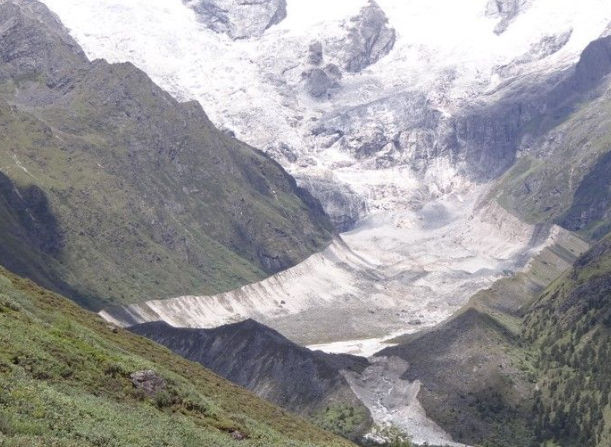
THIMPHU, Oct 30: Bhutan is assessing the impact of a reported glacial lake outburst at Sintaphu Lake in the northern Gasa district, which triggered flooding, destroyed the popular Gasa Tshachu hot spring complex and damaged a major road linking Punakha and Gasa.
The incident on Thursday evening has raised concerns over possible flooding in downstream areas of Bhutan and neighbouring India, prompting precautionary evacuations and warnings for communities along the Sankosh River. No casualties had been reported as of Friday morning.
Heavy rainfall preceded the sudden release of water from Sintaphu Lake. Floodwaters reached Taktsemakhang at around 8.15 pm, damaging infrastructure and disrupting road connectivity towards Laya, one of Bhutan’s remote high-altitude settlements.
A section of the Punakha-Gasa Secondary National Highway near kilometre point 31.85 was completely washed away. Authorities have closed the affected stretch to all traffic until further notice.
Residents in potentially vulnerable locations were moved to safer areas, while warning sirens were activated as a precaution. Officials are continuing to assess the damage and monitor river conditions.
Sintaphu is a high-altitude glacial lake located in the headwaters of the Mo Chhu. It is among Bhutan’s 17 officially identified potentially dangerous glacial lakes, which require regular monitoring because of the risks associated with sudden water releases.
The downstream river network has also raised concerns in India. The Mo Chhu flows through Gasa and Punakha before joining the Pho Chhu to form the Punatsangchhu River. The river subsequently enters India, where it is known as the Sankosh.
As the water system extends into Indian territory, authorities have issued precautionary alerts for vulnerable areas of West Bengal and Assam. Residents living close to the riverbanks have been advised to remain vigilant and move to safer locations if water levels rise.
A glacial lake outburst flood (GLOF) occurs when water accumulated in a glacier-fed lake is suddenly released. Such lakes are often held back by natural barriers consisting of rocks, sediment and ice, which can become unstable under changing environmental conditions.
Landslides, avalanches, ice collapses, earthquakes and the weakening of natural barriers can trigger sudden releases. The resulting floodwaters can travel rapidly through mountain valleys, carrying heavy debris, including rocks, trees and mud.
These events pose serious risks to settlements, roads, bridges, agricultural land and other infrastructure located along river systems.
Bhutan has been exploring measures to reduce the dangers associated with glacial lakes. One such initiative involves a siphon system at Thorthormi Lake in Lunana, designed to gradually lower its water level and reduce the possibility of a catastrophic outburst.
The latest incident has once again highlighted the vulnerability of Himalayan communities to glacial lake-related hazards, particularly during periods of intense rainfall.
Authorities are continuing to examine the circumstances surrounding the Sintaphu Lake incident. The precise cause of the water release, the volume of water discharged and the overall extent of the damage have yet to be established.
Monitoring downstream water levels, assessing damaged infrastructure and ensuring the safety of vulnerable communities remain the immediate priorities.

