


UGC Asks Universities, Colleges to Organise Activities During BRICS Sustainable Lifestyle Week
The November 1–7 initiative under Mission LiFE will focus on environmental awareness, energy conservation, water management and responsible consumption, with institutions required to submit activity reports by November 12.
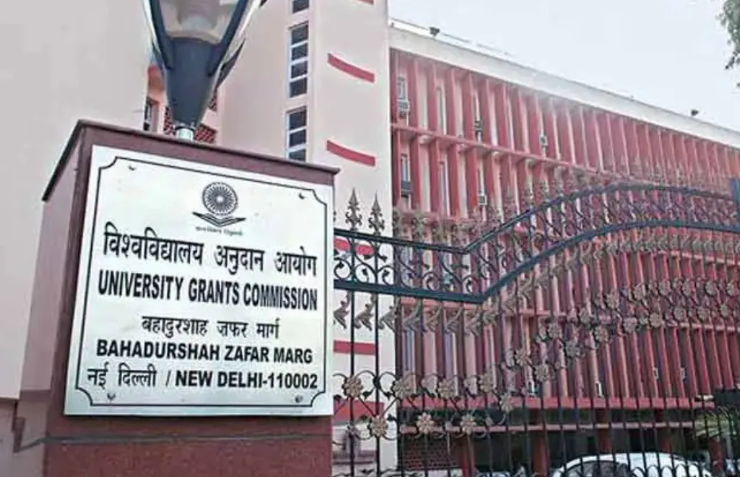
NEW DELHI, Nov 2: The University Grants Commission (UGC) has encouraged universities and colleges across the country to organise environmental awareness programmes and sustainability related activities as part of BRICS Sustainable Lifestyle Week 2026, which began on November 1 and will continue until November 7.
The initiative is being organised under Mission LiFE (Lifestyle for Environment) as part of India’s BRICS Chairship for 2026. It aims to encourage students, teachers and other members of educational institutions to adopt environmentally responsible habits and make sustainability an integral part of everyday life.
In a communication issued on October 30, the UGC asked higher education institutions to actively participate in the week-long programme by conducting awareness campaigns, campus activities and community engagement initiatives. The objective is to translate environmental awareness into practical action by involving young people and academic communities.
The programme focuses on seven themes covering different aspects of sustainable living, including healthy lifestyles, energy conservation, water preservation, responsible food consumption, avoiding single-use plastics and reducing waste.
According to the activity schedule shared by the Ministry of Environment, Forest and Climate Change, November 1 was dedicated to promoting healthy lifestyles. Educational institutions were encouraged to organise yoga sessions, walkathons, plantation drives and activities encouraging participants to take the Mission LiFE pledge.
November 2 has been designated as the day for energy conservation. Colleges and universities have been encouraged to organise awareness sessions and motivate students and employees to switch off unnecessary electrical appliances for an hour.
The following day, November 3, will focus on saving water. Suggested activities include promoting rainwater harvesting, repairing leaking taps and organising awareness campaigns highlighting the importance of responsible water consumption.
On November 4, institutions will focus on sustainable food systems. Students can be encouraged to understand the environmental benefits of traditional food habits, promote millets and reduce food wastage.
The programme will turn its attention to plastic pollution on November 5, with institutions being encouraged to conduct cleanliness and plogging drives while promoting reusable bags, bottles and other alternatives to disposable plastic products.
November 6 will focus on waste reduction, particularly the responsible handling of electronic waste. Colleges can organise e-waste collection activities and educate students about recycling, repairing and extending the useful life of electronic products.
The final day, November 7, will continue the waste-reduction theme through community cleanliness campaigns and creative activities such as waste-to-art initiatives.
The UGC has asked higher education institutions to ensure that students, faculty members and administrative staff are actively involved in the programme. All departments, constituent colleges and field centres have also been encouraged to participate.
Student participation is expected to be coordinated through existing campus networks, including green clubs, school eco-clubs, the National Service Scheme (NSS) and the National Cadet Corps (NCC).
The involvement of these groups is intended to expand the reach of environmental initiatives beyond classrooms and encourage students to participate in activities that directly benefit their communities.
Educational institutions have also been asked to display promotional material related to BRICS Sustainable Lifestyle Week and Mission LiFE across their campuses. Posters, awareness messages and digital display boards can be used to communicate the objectives of the programme and encourage wider participation.
The UGC has further encouraged institutions to document their activities through photographs, videos, infographics and reports. Updates can be shared through official websites and social media platforms using hashtags such as #MissionLiFE, #Proplanetpeople and #BRICSforLiFE.
To ensure proper coordination, participating universities and colleges have been instructed to appoint nodal officers. These officers will be responsible for registering their institutions and uploading information about the activities conducted during the week on the Meri LiFE portal maintained by the environment ministry.
The ministry is also conducting online orientation sessions from October 27 to November 7 to familiarise participating institutions with the programme and explain the implementation process.
These sessions are being organised through Webex in two daily time slots, from 11 am to 1 pm and from 3 pm to 5 pm. They are intended to provide guidance to institutions regarding the activities, reporting requirements and other arrangements.
Following the conclusion of the week-long programme, participating institutions will have to submit a brief report highlighting the activities conducted and the best practices adopted. The reports must be uploaded through the Meri LiFE portal by November 12, 2026.
The initiative places particular emphasis on the role of educational institutions in developing environmental awareness among young people. Colleges and universities bring together large numbers of students and staff members, making their campuses suitable locations for promoting sustainable practices.
Activities such as reducing electricity consumption, preventing water wastage, limiting disposable plastic use and managing electronic waste can help students understand how individual decisions influence the environment.
The programme also seeks to encourage students to carry these practices beyond educational institutions and introduce them within their households and neighbourhoods. Awareness campaigns and community participation can help create a wider understanding of environmental responsibilities.
The focus on sustainable food habits is another important component of the initiative. Encouraging traditional diets, promoting millets and avoiding unnecessary food wastage can help students understand the connection between consumption patterns and environmental sustainability.
Similarly, activities related to electronic waste are expected to draw attention to the growing challenge of discarded electronic devices. Improper disposal of such products can create environmental concerns, making awareness about recycling and responsible handling increasingly important.
The Mission LiFE framework promotes changes in individual and community behaviour rather than relying exclusively on large-scale policy interventions. By encouraging people to adopt practical habits, the initiative seeks to make environmental protection part of routine activities.
India’s BRICS Chairship provides an international platform for promoting these objectives and encouraging greater public participation in sustainable development efforts.
Through the week-long programme, the UGC aims to ensure that higher education institutions contribute to this broader effort by engaging students in meaningful environmental activities.
The success of the initiative will depend on the participation of institutions and the ability of students to translate the lessons learnt during the campaign into lasting habits.
With activities scheduled until November 7, universities and colleges have been encouraged to make full use of the programme to strengthen environmental awareness, promote responsible consumption and develop a culture of sustainability among young people.

