


New AIIMS Hospitals Record Over 6 Crore OPD Consultations, Expanding Access to Specialised Healthcare
Eighteen fully operational AIIMS institutions report approximately 6.01 crore outpatient consultations since 2021–22, highlighting the growing demand for advanced medical services across India.
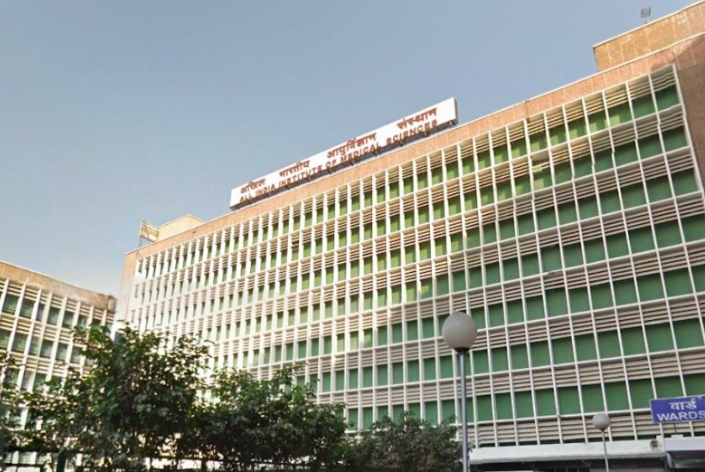
NEW DELHI, Nov 10: India’s expanding network of All India Institutes of Medical Sciences (AIIMS) has recorded a significant milestone, with newly established institutions collectively registering more than six crore outpatient department (OPD) consultations between 2021–22 and October 31, 2026. The achievement reflects the increasing utilisation of specialised medical facilities and the government’s efforts to improve access to advanced healthcare services across different regions.
According to the Union Ministry of Health and Family Welfare, the newly established AIIMS institutions recorded approximately 6.01 crore OPD consultations during the period. The figures indicate a steady rise in patient attendance, demonstrating the growing role of these institutions in providing specialised treatment and diagnostic services to people who previously had limited access to advanced medical facilities in their regions.
The expansion of AIIMS has been undertaken under the Pradhan Mantri Swasthya Suraksha Yojana (PMSSY), a central government initiative aimed at correcting regional imbalances in the availability of affordable and reliable tertiary healthcare. The programme also seeks to strengthen medical education and research infrastructure by developing institutions capable of delivering advanced treatment while training future healthcare professionals.
Of the 22 new AIIMS institutions approved under different phases of the scheme, 18 are currently fully functional. These hospitals provide a broad range of services, including outpatient consultations, inpatient treatment, emergency and trauma care, diagnostic facilities, medical education and research activities.
The increasing number of consultations highlights the growing importance of these institutions in India’s public healthcare system. Their presence is particularly significant in regions where patients previously had to travel considerable distances to reach established tertiary-care hospitals for specialised treatment.
Consistent rise in patient consultations
The ministry’s figures show a continuous increase in outpatient attendance over the past five financial years. The newly established AIIMS institutions recorded 50.03 lakh OPD consultations in 2021–22. This figure increased to 77.95 lakh in 2022–23 and further rose to 100.52 lakh in 2023–24.
The upward trend continued during the following two years. OPD consultations reached 129.98 lakh in 2024–25 before increasing to 144.96 lakh in 2025–26.
During the ongoing financial year 2026–27, these institutions recorded another 97.41 lakh OPD consultations up to October. When combined with the figures from previous years, the total comes to approximately 6.01 crore consultations.
The steady growth indicates that an increasing number of patients are accessing the services offered by the newly established institutions. It also reflects the importance of expanding hospital infrastructure to meet the healthcare requirements of India’s growing population.
The rise in patient attendance, however, also highlights the need for continuous improvements in hospital capacity, medical staffing, diagnostic facilities and patient management systems to ensure that increasing demand does not affect the quality of treatment.
Expanding access to tertiary healthcare
Tertiary healthcare facilities play an important role in treating complicated medical conditions that require specialised doctors, advanced diagnostic equipment and multidisciplinary treatment.
Patients suffering from serious illnesses often require consultations with specialists, detailed investigations, surgical interventions and long-term medical supervision. The availability of such facilities closer to their homes can reduce the financial and logistical difficulties associated with travelling to distant metropolitan hospitals.
The expansion of AIIMS institutions is intended to make these services more accessible across different parts of the country. By establishing advanced medical facilities beyond traditional healthcare centres, the government aims to distribute specialised treatment capacity more evenly.
The fully functional institutions offer outpatient and inpatient services alongside emergency and trauma care. Diagnostic facilities also play an important role in identifying diseases, supporting clinical decisions and helping doctors determine appropriate treatment plans.
The growing OPD figures suggest that these hospitals are becoming important destinations for patients seeking specialist consultations. Their contribution is not limited to treating patients, as they also support the development of medical expertise and healthcare infrastructure in their respective regions.
Strengthening medical education and research
Apart from expanding treatment facilities, the new AIIMS institutions are contributing to India’s medical education system.
The institutions have increased opportunities for undergraduate and postgraduate medical education, along with nursing training. This expansion is important at a time when the healthcare sector requires a larger pool of qualified doctors, nurses, technicians and other medical professionals.
Medical education institutions attached to major hospitals provide students with opportunities to gain practical experience through clinical training, patient interaction and exposure to different medical specialities.
The development of specialised clinical facilities also creates opportunities for research and the adoption of improved medical practices. Research activities can contribute to a better understanding of diseases, evaluation of treatment methods and development of healthcare solutions suited to India’s population.
The combination of patient services, education and research gives the AIIMS network an important role in strengthening the country’s long-term healthcare capacity.
Challenges beyond infrastructure expansion
Although the latest figures represent substantial progress, expanding hospital infrastructure alone cannot address all the challenges facing India’s healthcare system.
The availability of qualified medical professionals remains essential for ensuring that newly established hospitals can operate effectively. Doctors, nurses, laboratory technicians, pharmacists and support personnel are all required to maintain the functioning of large tertiary-care institutions.
Hospitals must also ensure that essential medicines, diagnostic equipment and medical supplies remain available. Regular maintenance of advanced equipment and adequate funding for hospital operations are equally important for maintaining uninterrupted services.
Another major consideration is the management of increasing patient numbers. Higher OPD attendance can place pressure on registration facilities, waiting areas, diagnostic departments and specialist consultation services. Efficient appointment systems, digital health records and coordinated patient referral mechanisms can help institutions manage this demand.
For patients travelling from remote districts, transport connectivity and affordable accommodation near hospitals can also influence access to treatment.
The success of regional healthcare expansion will therefore depend on how effectively infrastructure development is supported by adequate manpower, equipment, funding and administrative planning.
A broader transformation in India’s healthcare system
The expansion of AIIMS institutions forms part of a wider effort to strengthen India’s public healthcare infrastructure and improve access to specialised treatment.
The growing patient numbers indicate that these institutions are increasingly being used by people seeking advanced medical services. Their geographical spread can also help reduce the concentration of tertiary healthcare facilities in a limited number of major cities.
For families dealing with serious medical conditions, the availability of specialist services within their broader region can make treatment more manageable by reducing travel expenses and time away from home.
At the same time, the institutions’ role in medical education and research can help strengthen the healthcare workforce and improve the country’s ability to respond to emerging medical challenges.
The government has emphasised that the AIIMS expansion programme is intended to address regional inequalities while developing a stronger foundation for medical training and scientific research.
The latest milestone of more than six crore OPD consultations demonstrates the scale at which these institutions are being utilised. Sustaining this progress will require continued investment in infrastructure, human resources, technology and patient centred services.
As the network continues to develop, the focus will remain on ensuring that increased hospital capacity translates into accessible, affordable and reliable treatment for people across the country.

