


Vaishno Devi Pilgrimage Surges
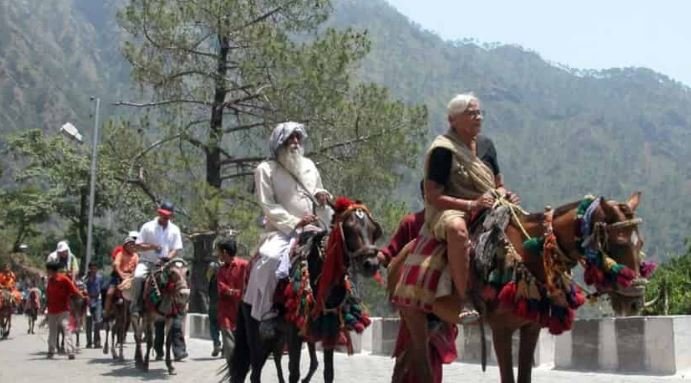
The growing number of devotees visiting the sacred shrine of Shri Mata Vaishno Devi is an encouraging development for Jammu and Kashmir, reflecting not only the unwavering faith of millions but also the increasing importance of religious tourism in the region’s economic and social progress. With nearly 87 lakh pilgrims having paid obeisance this year, the possibility of crossing the one-crore mark has generated considerable optimism. Beyond this impressive figure lies a larger story of improved facilities, growing public confidence and the opportunities that a well-managed pilgrimage can create for local communities. The real significance of this growth, however, rests in how successfully it translates into lasting benefits for pilgrims, ordinary citizens and the wider region.
The Shri Mata Vaishno Devi Shrine Board deserves appreciation for its continued efforts to improve infrastructure and enhance the pilgrimage experience. Better arrangements for accommodation, sanitation, healthcare and movement along the pilgrimage route are essential to maintaining the confidence of devotees. The optimism expressed by Shrine Board Chief Executive Officer Sachin Kumar reflects the encouraging trend in pilgrim arrivals. However, the Board’s greatest strength will continue to lie in its ability to combine modern facilities with the traditional spirit of service that gives this pilgrimage its distinctive character. The figures themselves are noteworthy. While approximately 69.79 lakh pilgrims visited the shrine in 2025, nearly 87 lakh have already undertaken the pilgrimage this year. The shrine had previously recorded more than one crore devotees in both 2011 and 2012. These comparisons demonstrate the continuing spiritual importance of Mata Vaishno Devi and the considerable potential for further growth. Yet pilgrimage success should not be judged through statistics alone. The comfort of an elderly devotee, the safety of a family travelling from a distant state and the dignity experienced by an ordinary pilgrim are equally meaningful indicators of progress. The economic importance of the pilgrimage deserves particular attention. Katra and surrounding areas depend substantially on the steady arrival of devotees. Hotels, restaurants, transport operators, shopkeepers, porters, pony service providers and numerous small enterprises derive their livelihoods from pilgrimage-related activities. Increasing footfall can therefore strengthen employment opportunities, encourage entrepreneurship and support household incomes. The challenge is to ensure that these economic benefits reach smaller businesses and vulnerable workers rather than remaining concentrated among a limited number of established commercial interests. There is also considerable scope to connect pilgrimage tourism with the wider development of Jammu province. Improved transport networks, better roadside amenities and thoughtful tourism promotion can encourage visitors to explore other destinations across Reasi, Jammu, Udhampur and neighbouring districts. Such an approach would help distribute economic activity more widely while introducing visitors to the region’s remarkable cultural and natural heritage. At the same time, the growing popularity of the pilgrimage makes environmental responsibility increasingly important. The delicate mountain ecosystem requires careful attention to waste disposal, water conservation, construction practices and crowd movement. Development must respect the ecological limitations of the Trikuta hills. Cleaner pathways, dependable emergency services, accessible facilities and well-trained personnel can make the pilgrimage safer and more comfortable without compromising its spiritual atmosphere. Another important consideration is affordability. Pilgrimage facilities should remain accessible to people from different economic backgrounds. Transparent service charges, responsive grievance mechanisms and special assistance for elderly devotees and persons with disabilities would further strengthen the Shrine Board’s reputation for compassionate administration. Technology can improve efficiency, but personal attention and courteous service must remain central to the experience.
Ultimately, the prospect of welcoming one crore pilgrims should inspire Jammu and Kashmir to think beyond a numerical milestone. The government, Shrine Board, tourism stakeholders and local communities have an opportunity to establish a model of pilgrimage development that combines faith with responsible governance, environmental care and shared prosperity. The practical priorities are clear: strengthen safety arrangements, protect the mountain environment, improve affordable services and create meaningful opportunities for local people. The finest achievement will not simply be that millions reached the holy shrine, but that every devotee returned with a sense of dignity and satisfaction, every community along the route found greater opportunity and the sacred hills remained protected for future generations. That would give the pilgrimage’s growing success a lasting meaning, both spiritually and economically, for Jammu and Kashmir.

