


Tilak Varma’s Fighting Century Goes in Vain as Pakistan A Defeat India A by 48 Runs
Abhishek Sharma's explosive 70 and Tilak Varma's second consecutive century could not rescue India A in the Rising Stars Asia Cup, as Pakistan A defended 313 in Doha to strengthen their position in Group B.
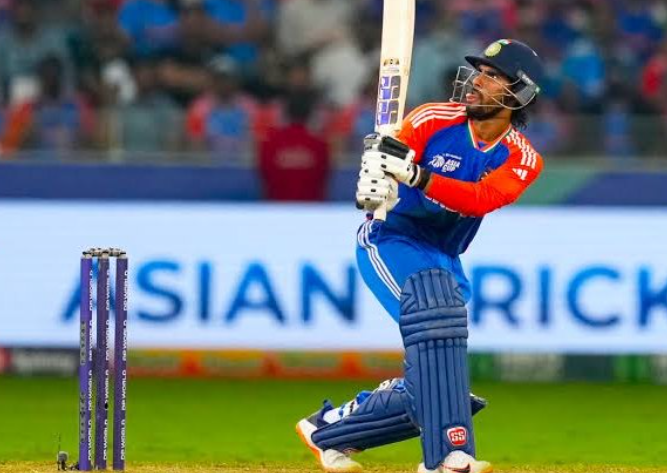
DOHA, Nov 23: India A suffered a 48 run defeat against Pakistan A in a high-scoring Group B encounter of the ACC Men’s Asia Cup Rising Stars tournament, despite an outstanding century from captain Tilak Varma at the West End Park International Cricket Stadium.
Chasing a challenging target of 314, India A were bowled out for 265 in 49.1 overs, ending their hopes of securing an important victory against their traditional rivals.
Tilak produced a determined innings of 100 from 149 deliveries, while Abhishek Sharma provided an aggressive start with 70 off 42 balls. However, the efforts of the two Indian batters were insufficient as Pakistan’s bowling attack maintained its composure during the decisive stages.
The result strengthened Pakistan A’s position in Group B and secured their progress to the semi-finals, while India A were left needing a strong response in their remaining group fixture.
Pakistan A had won the toss and elected to bat first, building their innings around several important contributions to post 313 all out in 49.2 overs.
Hasan Nawaz led the scoring with an impressive 79, providing the foundation for a competitive total. Farhan Yousaf also played an important role, contributing 56, while other batters helped maintain the scoring rate.
The opening partnership between Shamyl Hussain and Maaz Sadaqat provided Pakistan with a positive start, allowing the side to establish momentum during the initial overs.
India A attempted to regain control through timely breakthroughs, but Pakistan continued to find scoring opportunities and maintained pressure on the visitors.
Nawaz’s contribution was particularly significant because he combined aggressive batting with useful bowling later in the contest.
India’s bowlers managed to prevent Pakistan from reaching an even higher total through disciplined work during the closing overs.
Harshit Rana, Prince Yadav and Vipraj Nigam contributed to the effort, with Nigam picking up two wickets.
Although Pakistan lost wickets towards the end of the innings, their total of 313 proved more than sufficient on a surface that offered assistance to the bowlers.
India A began their chase with the expectation that their aggressive top order could keep them in contention.
However, the innings suffered an early setback when opener Vaibhav Sooryavanshi departed after failing to convert his start into a substantial contribution.
The pressure increased when another wicket fell soon afterwards, leaving India at 26 for two inside the first five overs.
Abhishek Sharma then took responsibility for rebuilding the innings while maintaining an attacking approach.
The left-hander produced an impressive display of power-hitting, finding the boundary regularly and putting Pakistan’s bowlers under pressure.
He scored 70 from just 42 deliveries, striking six fours and six sixes.
His aggressive approach briefly revived India’s hopes of completing the chase, particularly as he accelerated the scoring rate during the powerplay and middle overs.
Abhishek reached his half-century in only 31 deliveries, demonstrating his ability to change the direction of a match through attacking batting.
However, his dismissal proved to be a major turning point.
The batter attempted another aggressive stroke against Hasan Nawaz but failed to execute it properly, allowing Pakistan captain Abdul Samad to complete the catch at mid-off.
His departure left India without one of their most influential batters and increased the responsibility on the remaining players.
The middle order failed to establish the partnerships required to keep the chase alive.
India continued losing wickets at regular intervals, allowing Pakistan to regain control of the contest.
Tilak Varma, who had already demonstrated his ability to rescue India A in difficult situations earlier in the tournament, was once again left with the responsibility of rebuilding the innings.
The captain adopted a measured approach, concentrating on preserving his wicket while attempting to keep the required run rate within reach.
His innings was particularly important because India were struggling to find consistency after Abhishek’s dismissal.
Tilak attempted to rotate the strike and build partnerships, but the regular loss of wickets made it increasingly difficult to maintain the required scoring rate.
Shahbaz Ahmed eventually provided the support that India needed.
The pair combined for a 112-run seventh-wicket partnership, bringing India back into contention after the batting collapse.
Shahbaz scored 56 from 49 deliveries, contributing valuable runs and helping Tilak maintain the possibility of an unlikely recovery.
The partnership also demonstrated the importance of lower-order contributions in high-pressure matches.
With the two batters at the crease, India briefly appeared capable of making Pakistan work hard for their victory.
Tilak continued to show patience and composure, reaching his second consecutive century in the competition.
He completed the milestone in the 49th over, scoring 100 from 148 balls before being dismissed on the very next delivery.
Ahmed Daniyal claimed the crucial wicket, with Rohail Nazir completing the catch.
Tilak’s dismissal effectively ended India’s remaining hopes of winning the contest.
He departed after scoring 100 from 149 deliveries, having struck seven boundaries and one six.
His innings was a demonstration of determination, although the slow scoring rate meant that India had fallen too far behind the required target by the time he reached three figures.
The remaining batters were unable to produce the runs necessary to extend the contest.
India A were eventually dismissed for 265 in 49.1 overs, handing Pakistan A a 48-run victory.
The result highlighted the difference between the two teams’ ability to build partnerships and manage pressure during important phases of the match.
Pakistan’s batting performance had been based on contributions from several players, while India depended heavily on Abhishek’s aggressive start and Tilak’s lengthy innings.
Nawaz emerged as one of the most influential performers of the match.
After scoring 79 runs with the bat, he returned to take three wickets, making a major contribution to Pakistan’s victory.
Ali Raza also played an important role with the ball, claiming three wickets and putting the Indian batting order under considerable pressure.
Their combined efforts ensured that Pakistan maintained control even when Tilak and Shahbaz threatened to revive the chase.
The defeat will provide India A with several areas to examine before their next group match.
The team’s early batting collapse exposed difficulties in handling pressure after losing wickets in quick succession.
Although Abhishek’s aggressive approach initially gave India momentum, the middle order could not maintain the same level of consistency.
The lack of substantial partnerships before Tilak and Shahbaz came together also placed excessive responsibility on the captain.
Tilak’s century was his second consecutive hundred in the competition, underlining his impressive individual form.
However, the result also raised questions about India’s approach to chasing large targets, particularly when wickets fall early.
His innings demonstrated considerable resilience, but the team needed a stronger collective effort to remain competitive.
For Pakistan A, the victory represented an important achievement in a tournament designed to provide opportunities for emerging players to demonstrate their abilities at a higher level.
Their balanced performance with both bat and ball showed the depth available within their development system.
The team will also take confidence from successfully defending a challenging total against an Indian side featuring several established international players.
Pakistan A were scheduled to face Nepal in their next fixture, while India A were due to take on the United Arab Emirates.
India will now need to improve their batting consistency and strengthen their middle-order partnerships to remain competitive in the tournament.
The defeat against Pakistan A was particularly disappointing because the team had entered the contest with considerable expectations following its earlier performances.
Nevertheless, the tournament provides an opportunity for young players to gain experience in high-pressure situations and develop the skills required for senior international cricket.
For Tilak, the century will remain an individual achievement despite the disappointing team result. His ability to score consecutive hundreds demonstrates his growing maturity as a batter and his importance to India’s future plans.
Abhishek’s attacking contribution also offered a reminder of the team’s potential to produce match-changing performances.
However, Pakistan A ultimately proved more consistent across all departments, converting their strong batting total into a convincing victory.

