Pakistan Minister Pushes Back Against Calls to Ban Pakistani Netflix Series in India
Ahsan Iqbal accuses Indian organisations of politicising entertainment as concerns grow over the future of Pakistani content on international streaming platforms.
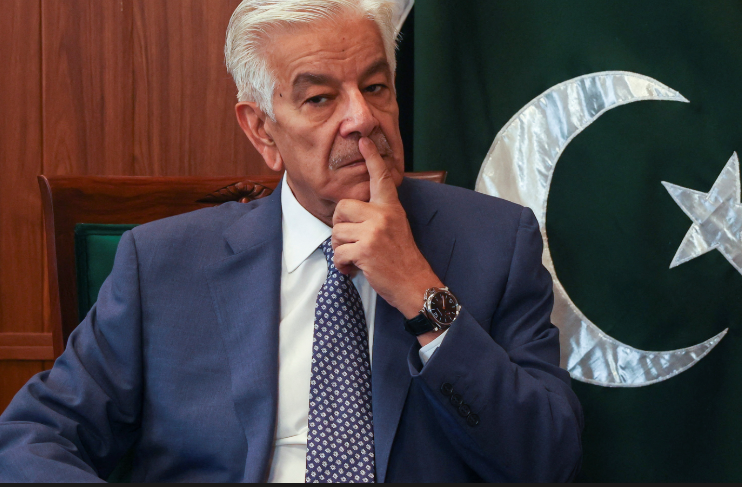
KARACHI, Nov 25: Pakistan Planning Minister Ahsan Iqbal has criticised demands in India to ban Netflix’s first Pakistani original series, Jo Bachay Hain Sang Samait Lo, describing the move as an attempt to bring art and culture into political disputes.
The controversy erupted after the All Indian Cine Workers Association (AICWA) and the Federation of Western India Cine Employees (FWICE) objected to the series following the release of its trailer. Both organisations have reportedly written to Prime Minister Narendra Modi, seeking a ban on the programme.
The series, featuring Pakistani actors Fawad Khan, Sanam Saeed and Mahira Khan, is scheduled to premiere on December 4. However, it remains unclear whether the release will include India alongside Pakistan and other international markets.
Reacting to the objections, Iqbal questioned the growing opposition to cultural and sporting exchanges between the neighbouring countries. In a post on X, he argued that sporting events and television productions should not be viewed through the lens of national security.
“First weaponising sports, then water, and now art and culture,” the minister wrote, criticising the demand for a permanent ban on Pakistani entertainment content in India.
He further questioned how a cricket match could be considered a political threat and a television drama a security concern. Using the hashtag #GrowupIndia, Iqbal urged both countries to allow athletes to compete, artists to create and audiences to make their own viewing choices.
In another social media post, the minister described the Netflix project as an important achievement for Pakistan’s television and entertainment sector. He said efforts to expand access to international streaming services, including Netflix and Disney+, were helping Pakistani creative talent reach wider audiences.
Iqbal also highlighted Pakistan’s efforts to align its entertainment industry with the Middle East and North Africa (MENA) content market, arguing that a consistent policy approach could strengthen the country’s global cultural presence.
His remarks received support from several Pakistani entertainment personalities and social media users. Actor Ayesha Omer endorsed his message, calling for sports and artistic activities to remain free from political interference.
Television journalist Ajmal Jami also criticised the proposed restrictions, questioning why Pakistani dramas and cultural productions should face opposition. He maintained that audiences should have the freedom to choose the content they wish to watch.
The controversy has sparked apprehension within Pakistan’s entertainment industry, particularly over the possibility of further restrictions on Pakistani productions distributed through international streaming services.
Nadeem Mandviwalla, a prominent film producer, distributor and cinema owner, said the latest developments could have wider implications for the future of original Pakistani productions on global platforms. He indicated that the outcome could influence how streaming companies approach Pakistani content in the Indian market.
Film critic and podcaster Omair Alavi suggested that the growing popularity of Pakistani entertainment among Indian viewers had contributed to the objections. He pointed to the increasing online audience for Pakistani television dramas, including Dar-e-Nijat, as evidence of the continued appeal of cross-border storytelling.
Directed and produced by Momina Duraid, Jo Bachay Hain Sang Samait Lo is based on the 2013 bestselling Urdu novel by Pakistani author Farhat Ishtiaq. Its title translates to “All the Love Our Hearts Carry”.
The production brings together six interconnected love stories and features several established Pakistani performers, including Ahad Raza Mir, Iqra Aziz, Hania Aamir and Hamza Ali Abbasi.
The project also reunites actors who have previously enjoyed considerable popularity among Indian audiences. Fawad Khan and Mahira Khan appeared together in the hit television drama Humsafar, while Fawad and Sanam Saeed gained recognition through Zindagi Gulzar Hai. Both productions developed a substantial following beyond Pakistan.
The series has reportedly been eight years in the making. Its trailer was unveiled this week at Karachi’s historic Mohatta Palace, where members of the cast and production team attended the launch.
Speaking at the event, Duraid said Netflix had confirmed a release date for the project. She expressed hope that the series would receive a positive response from viewers across different countries.
Duraid’s production company has previously delivered several successful Pakistani television dramas, including Humsafar and Zindagi Gulzar Hai.
The latest dispute comes against the backdrop of strained cultural relations between India and Pakistan following the 2025 Pahalgam terror attack. Cultural exchanges between the countries were halted, while Pakistan also prohibited the screening of Indian films in its cinemas.
Mandviwalla said the restrictions had caused significant financial losses for cinema owners and distributors in Pakistan. Despite the difficulties, industry stakeholders have continued efforts to sustain the country’s film and entertainment business.
India had also blocked access to Pakistani-origin content on YouTube following last year’s conflict. However, the restrictions have reportedly eased unofficially in recent months, with Pakistani television productions attracting renewed attention among Indian viewers.
Several Pakistani production houses and television broadcasters have responded by establishing dedicated YouTube channels to distribute their programmes and reach international audiences.
Jamal Mir, who heads the Prestige advertising agency, warned that preventing Netflix from making Pakistani productions available to Indian subscribers would be damaging for both creators and streaming services.
He said Indian audiences represented an important market for Pakistani entertainment, adding that shared cultural experiences and artistic traditions helped audiences in both countries connect with such productions.
Mir argued that continued access to Indian viewers would encourage international platforms to invest in more Pakistani original content.
Earlier this year, the Pakistan government launched its ‘Uraan Pakistan’ initiative to increase the international visibility of local creative talent and expand opportunities for Pakistani productions on global subscription-based streaming platforms.
The latest controversy has therefore raised broader questions about the prospects of cross-border entertainment and the ability of Pakistani creators to reach international audiences through major digital platforms.