


NURTURING DIGITAL LITERACY IN YOUNG USERS
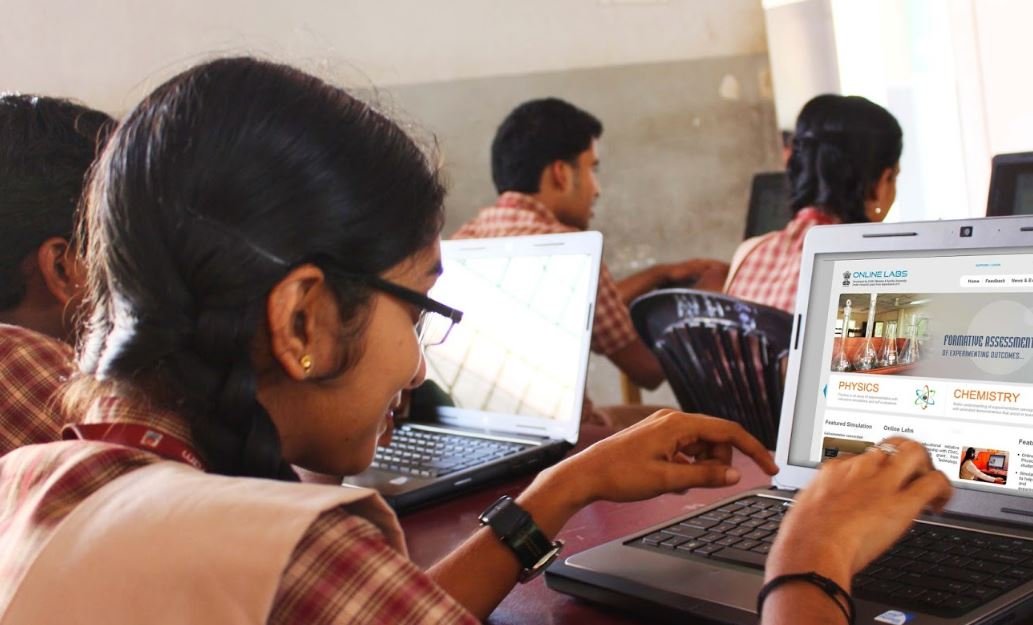
Social media has influenced every aspect of our lives in the age of digital connection, altering the way we communicate, learn about the world, and form opinions about it. While the impact of social media is evident, we must face its paradoxical character and find a compromise to maximize its advantages while minimizing its disadvantages, particularly with regard to children and young adults. On the one hand, social media presents unrivaled chances for connection, self-expression, and innovation. It makes it possible for people to collaborate, display their talents, and create communities around common interests. It gives young people a forum to express their ideas, participate in significant conversations, and support social issues. Social media is also an effective teaching tool that gives access to a wide range of previously unavailable data and services. It encourages collaborative learning, and intercultural peer interactions, and creates new chances for academic success. But there are many concerns due to the increased usage of social media by children and teenagers. Numerous studies have shown a link between excessive social media use and mental health issues such as anxiety, despair, and low self-esteem. Constantly seeing edited highlight reels and contrasting one’s own life with the purportedly ideal lives of others can lead to feelings of inadequacy and damage one’s self-perception. Additionally, the addictive qualities of social networking platforms can interfere with sleep cycles, attention spans, and general well-being due to their frequent notifications and reward loops. The proliferation of cyberbullying and internet harassment is a serious concern as well. Social media’s anonymity gives users the confidence to act badly, causing them to experience emotional pain and, unfortunately, incurring serious repercussions. Users that prioritize popularity and interaction over critical thinking and fact-checking may be more likely to distribute false information as a result of the pressure to maintain a desired online profile. This issue is made worse by the echo chamber effect, which reinforces pre-existing opinions and restricts exposure to opposing viewpoints. It takes a diverse approach to address these issues.
Digital literacy and online safety education must be given top priority by parents, teachers, and lawmakers. It is crucial to give young people the knowledge and skills necessary to evaluate online content critically, tell trustworthy sources apart from unreliable ones, and use the internet responsibly. People can use their digital literacy to their advantage as both producers and consumers of digital media. Promoting wholesome online behaviour is equally important. Young people can lessen the negative impacts of excessive social media use by being encouraged to regulate their screen time, participate in offline activities, and create a balance between the virtual and physical worlds. Open conversations regarding the drawbacks and difficulties of social media should be encouraged in families, classrooms, and communities. A positive relationship with social media platforms can be fostered by establishing rules and limits for responsible use. The social media sites themselves have a big part to play in making the internet a safer and better place. User satisfaction must take precedence over engagement metrics. This means putting in place strict controls to stop harassment, cyberbullying, and the spread of hazardous material. By giving consumers access to a variety of viewpoints, algorithms can lessen the echo chamber effect. To deal with offensive or harmful content quickly, clear and accessible reporting systems should be in place. Additionally, it’s important to promote open communication and offer mental health support networks. A supportive environment can be created by encouraging young people and adolescents to openly communicate their online experiences, worries, and difficulties. Collaboration between mental health experts, parents, and educators is essential for offering tools and advice for coping with social media’s harmful consequences. This may entail encouraging resilient behaviour, fostering healthy coping strategies, and urging people to ask for assistance when necessary.
Therefore, achieving a fine balance between utilizing social media’s advantages and minimizing its risks is crucial, especially for kids and young adults, as social media continues to alter our society. We can enable the younger generation to navigate the online world safely, build positive connections, and use social media in a way that increases their well-being and personal growth by fostering digital literacy, healthy habits, responsible platform design, and open conversation.

