


Agriculture First Policy
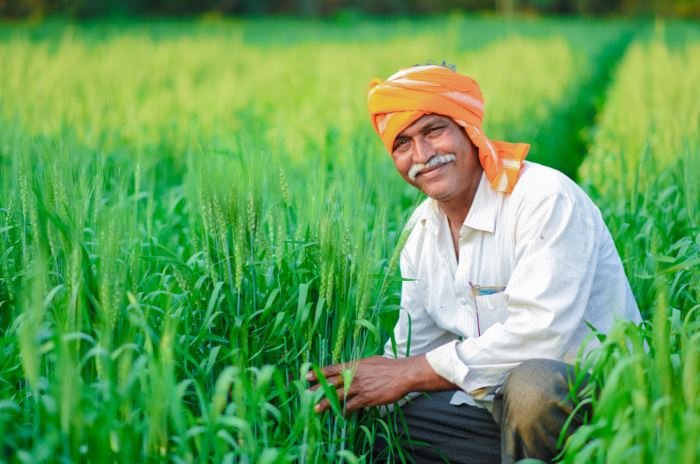
Jammu and Kashmir is gradually entering a new phase in the evolution of its agricultural sector, where traditional farming practices are being thoughtfully integrated with modern technological advancements. The growing emphasis on artificial intelligence-driven agriculture and the articulation of an Agriculture First policy reflect a broader understanding that food security, rural stability, and economic resilience are closely connected. In a region where small and marginal farmers form a substantial part of the agrarian community, this strategic orientation toward AI-powered farming carries meaningful long-term potential.
Agriculture in Jammu and Kashmir operates within unique geographical and climatic conditions. Mountain terrain, changing rainfall patterns, and limited landholdings have historically influenced productivity and farm incomes. In such circumstances, the introduction of digital tools such as satellite-based crop monitoring, soil analytics, and precision irrigation systems can provide valuable support. Precision irrigation methods, which aim to reduce water use by up to 50 to 60 percent, may help conserve scarce resources while improving crop efficiency. Similarly, farmer-focused AI applications that seek to enhance yields by 15 to 30 percent and reduce input costs by nearly half can contribute to improving income stability for small farmers. At the same time, the effectiveness of technological innovation depends greatly on accessibility. For small and marginal cultivators, new systems must be practical, affordable, and easy to adopt. Strong field-level extension services must support real-time advisories on soil health, nutrient requirements, and weather conditions. Institutions such as SKUAST can play a pivotal role in ensuring that innovation reaches farms in a meaningful way. Training, demonstration plots, and local support mechanisms will be essential in building confidence among farmers and ensuring that digital solutions complement traditional knowledge rather than replace it. The focus on circular farming models is another encouraging dimension. Transforming crop residue into livestock feed and returning organic manure to the soil promotes ecological balance while lowering dependence on costly external inputs. Such practices strengthen soil health and align economic sustainability with environmental responsibility. In a region vulnerable to climate variability, these integrated approaches can enhance long-term resilience. Equally significant is the proposal to establish village-level seed banks stocked with climate-resilient local varieties. Locally adapted seeds provide greater assurance against unpredictable weather and help preserve biodiversity. When combined with efforts to link farmer-producer organizations directly with consumers, these initiatives can enhance value realisation for farmers. Reducing intermediary margins and strengthening direct market access can gradually improve farm incomes and create a more balanced value chain. The expansion of processing facilities across districts further supports this broader vision. Decentralized agro-processing units can reduce post-harvest losses, generate rural employment, and promote entrepreneurship. When agricultural production is integrated with processing and marketing, farmers gain greater control over the economic cycle. This convergence of agriculture and innovation also opens avenues for rural start-ups and technology-driven enterprises, contributing to diversified rural growth. The Agriculture First policy signals recognition that agriculture remains central to societal stability. In times of global economic uncertainty and shifting trade patterns, a strong domestic agrarian base acts as a foundation of resilience. Safeguarding farmer interests while enhancing productivity through scientific methods offers a balanced approach to long-term development.
Overall, the evolving agricultural strategy in Jammu and Kashmir reflects a careful effort to combine science, sustainability, and inclusivity. Technology has the potential to create meaningful improvements, but its success will depend on consistent implementation, community participation, and institutional support. If these elements progress together, the region can move steadily toward a more resilient, productive, and farmer-centric agricultural framework that supports both rural prosperity and broader economic stability.

