


AI, Celebrity Rights and Digital Identity: Entertainment Industry Faces New Legal Reality
Recent court interventions signal a tougher stance against deepfakes and unauthorized online exploitation of actors' identities.
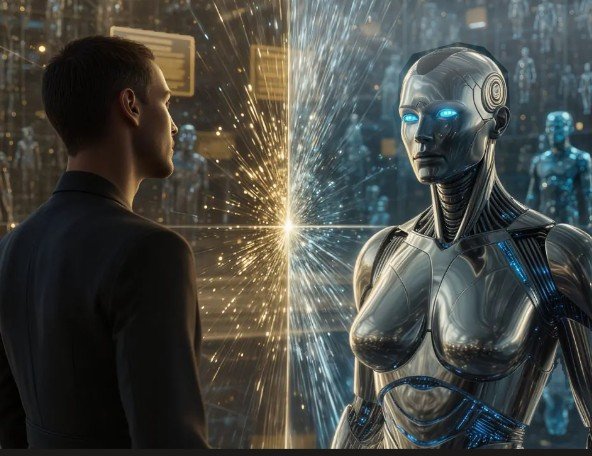
New Delhi, June 18, 2026: The entertainment industry is witnessing a major transformation in the way courts address digital identity misuse, with recent legal developments highlighting growing concerns over deepfakes, artificial intelligence and unauthorized exploitation of celebrity personas.
Over the past several weeks, Indian courts have increasingly stepped in to protect actors from the misuse of their names, images, voices and likenesses. Legal experts believe these developments could shape the future of personality rights protection in the country’s rapidly evolving digital ecosystem.
The issue has gained urgency due to advancements in generative artificial intelligence, which allow users to create highly realistic videos, photographs and audio clips featuring public figures. While the technology offers creative possibilities, it has also raised concerns about misinformation, reputational damage and unauthorized commercial exploitation.
Recent court orders involving several actors have emphasized that a person’s identity possesses commercial and reputational value deserving legal protection. Judges have increasingly recognized that celebrity personas can be exploited through deepfakes, misleading endorsements, manipulated videos and unauthorized merchandise.
Legal scholars argue that personality rights extend beyond traditional intellectual property protections. These rights encompass an individual’s image, voice, likeness and other unique attributes associated with public recognition. As AI-generated content becomes more sophisticated, enforcing these rights has become increasingly challenging.
The entertainment industry has responded by strengthening digital monitoring systems and engaging legal teams to track unauthorized content. Production houses, talent agencies and celebrity managers are investing more resources into protecting online reputations and combating impersonation.
Technology companies also face growing pressure to improve content moderation mechanisms. Questions regarding platform responsibility have become central to ongoing legal debates. Policymakers and courts are examining how social media networks, search engines and AI service providers should respond when users create or distribute misleading content involving public figures.
Industry insiders believe that the current wave of litigation may encourage the development of clearer regulations governing AI-generated content. Such measures could help balance innovation with safeguards designed to protect privacy, reputation and intellectual property interests.
Beyond celebrities, experts warn that deepfake technology poses risks to ordinary citizens as well. The same tools capable of generating convincing celebrity content can also be used to target private individuals, making broader legal and technological solutions increasingly necessary.
As artificial intelligence continues to reshape entertainment and communication, courts are likely to play a central role in defining acceptable boundaries. The decisions emerging from these disputes could establish important precedents for creators, platforms and users navigating the opportunities and challenges of the digital age.
For the entertainment sector, the message is becoming increasingly clear: while technology continues to evolve at unprecedented speed, the protection of identity, reputation and creative rights remains a fundamental legal priority in the modern media landscape.

