


All-Season Tourism Vision
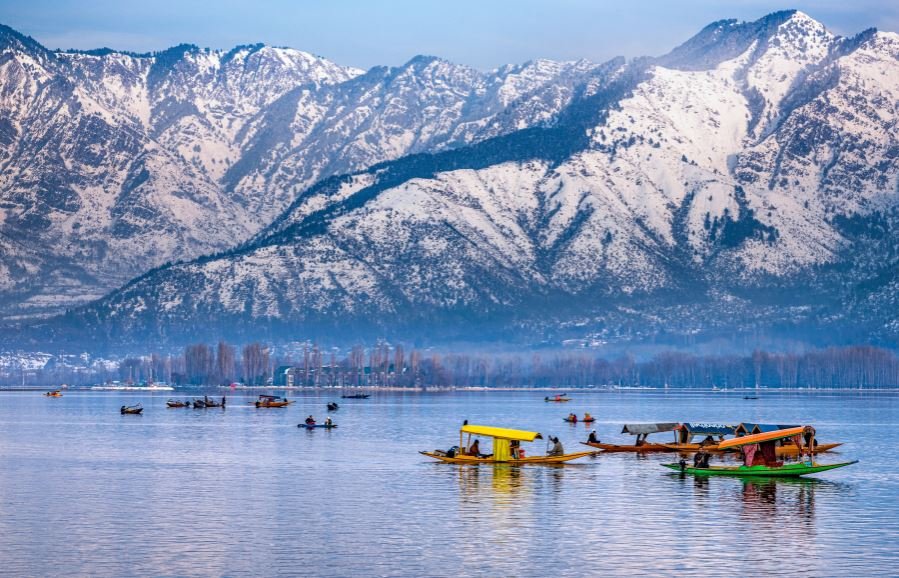
The recent outreach to the travel fraternity in Mumbai reflects a quiet but significant shift in how tourism governance in Jammu and Kashmir is being reimagined. For too long, tourism promotion in sensitive destinations has relied heavily on brochures, campaigns, and seasonal pitches. What is unfolding now is a more mature understanding that tourism growth, especially in regions shaped by both beauty and complexity, rests less on selling landscapes and more on building durable relationships of trust with those who guide travelers’ choices.
The Chief Minister’s interaction with travel agents and tour operators from Maharashtra and Gujarat carried a message that went beyond routine destination promotion. By acknowledging that the beauty of Jammu and Kashmir needs no introduction, the focus moved decisively towards partnership, confidence, and continuity. This approach recognizes the travel fraternity not merely as intermediaries but as long-term stakeholders whose confidence directly influences tourist flows, perceptions of safety, and the resilience of the tourism economy during difficult periods. The emphasis on trust is particularly relevant for Jammu and Kashmir, where tourism has often had to navigate external shocks. The solidarity of travel associations after last year’s challenges demonstrated how industry confidence can serve as a stabilizing force. When travel agents continue to recommend a destination despite adverse circumstances, they send a powerful signal to potential visitors that normalcy is not just declared but experienced. Such confidence cannot be purchased through advertising. It is earned through consistent engagement, transparent communication, and visible improvements on the ground. The strategic importance of Maharashtra and Gujarat as source markets also underlines the value of domestic tourism diplomacy. These states have historically contributed a substantial share of visitors to Jammu and Kashmir. Strengthening ties with their travel ecosystems is therefore not a tactical move but a structural necessity. By recognizing this interdependence, the government positions tourism revival as a shared responsibility rather than a unilateral effort by the administration. Another notable aspect of the outreach was the clear articulation of diversity in tourism offerings. Jammu and Kashmir is no longer being projected as a single season or single-narrative destination. Leisure, adventure, pilgrimage, and wellness tourism were presented as interconnected pillars of an all-season economy. This broader framing aligns with contemporary travel trends where visitors seek experiences across seasons and regions rather than short peak-period visits. For the travel trade, such clarity allows better itinerary planning, risk distribution, and sustained engagement with clients throughout the year. The move from promotion to partnership also carries governance implications. It signals a willingness to listen, adapt, and co-create solutions with industry professionals who are closest to the market. Travel agents understand evolving tourist expectations, safety concerns, and pricing sensitivities in ways that policy documents often cannot capture. When governments treat these insights as inputs rather than afterthoughts, tourism policy becomes more grounded and responsive. Equally important is the reiterated commitment to safety, infrastructure, and tourist-friendly systems. Trust cannot survive on intent alone. It requires consistent delivery on infrastructure upgrades, connectivity, hospitality standards, and crisis response mechanisms. The credibility of any outreach effort ultimately rests on whether the experience on the ground matches the assurances given in stakeholder meetings. In this sense, partnership also implies shared accountability, where both government and industry have a role in maintaining standards and ethical practices. The felicitation of travel associations during the outreach carried symbolic weight. Recognition strengthens relationships and acknowledges that tourism revival is not driven by policy alone but by people who continue to believe in the destination. Such gestures, when backed by sustained engagement, help institutionalize trust rather than treating it as a one-time achievement.
Jammu and Kashmir’s tourism story is gradually moving away from episodic promotion towards a relationship-based model of governance. By engaging the travel fraternity as partners, recognizing key source markets and focusing on confidence-building rather than persuasion, the administration is laying the groundwork for a more resilient and inclusive tourism economy. In a sector where perceptions travel faster than people, trust remains the most valuable currency. Finally, the Jammu and Kashmir government, along with its forward-looking tourism department, merits strong appreciation for redefining tourism governance through trust, partnership, and sincerity.

