


Before Monsoon, Fix Gaps Now
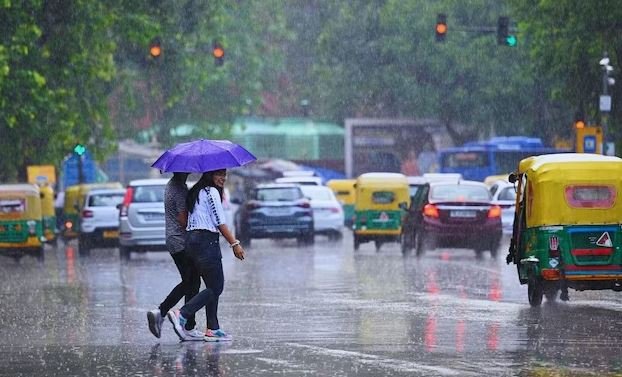
Jammu and Kashmir’s monsoon preparedness cannot be treated as a routine seasonal exercise. It must be handled as a serious governance responsibility, especially in a region where floods, flash floods, landslides, cloudbursts and road disruptions can quickly turn into life-threatening emergencies. The recent high-level review chaired by Chief Secretary Atal Dulloo sends an important message that the administration must remain alert, coordinated and fully prepared before the monsoon tests the strength of public systems.
The experience of previous floods and natural calamities has made one thing clear. Disaster response cannot begin after damage has already occurred. In a fragile Himalayan region, prevention is always better than compensation, and preparedness is always stronger than regret. The administration must therefore move beyond paper plans and ensure that every district, department and field agency is ready with manpower, machinery, communication systems, rescue equipment and clear responsibility. The Chief Secretary’s emphasis on proactive disaster mitigation is timely and necessary. Vulnerable areas must be identified in advance through proper mapping, local risk assessment and past disaster records. Flood-prone zones, landslide-sensitive roads, weak embankments, blocked drains, unsafe public buildings and vulnerable villages cannot be left to chance. Every danger point must be marked, monitored and addressed before heavy rains expose administrative gaps. Inter-agency coordination remains the backbone of effective disaster management. During an emergency, fragmented action can cost precious lives. The district administration, police, SDRF, health department, Jal Shakti, Irrigation and Flood Control, Public Works, Power Development Department, municipal bodies, rural development agencies and road construction organisations must act as one united system. There is no room for confusion, delay or departmental blame games when people are trapped, roads are blocked or essential services are disrupted. Road connectivity requires special attention in Jammu and Kashmir. A single landslide or washed-out stretch can cut off entire habitations, delay ambulances, block relief material and isolate border or hilly areas. Agencies such as BRO, NHAI, PWD, Project Sampark and Beacon must keep men and machinery ready for immediate restoration. Road clearance during monsoon is not merely an engineering duty. It is a humanitarian responsibility and, in many areas, a strategic necessity. The direction for safety audits of schools, hospitals and other high-footfall Government buildings is equally important. These institutions must be safe havens during emergencies, not weak points of risk. Fire safety, structural stability, emergency exits and basic preparedness should be checked with seriousness. Any deficiency found must be corrected without delay. Public safety cannot be compromised due to negligence or slow file movement. The Power Development Department also has a critical role. Electricity failure during adverse weather affects hospitals, communication networks, drinking water supply, control rooms and emergency operations. Detailed risk assessment of power assets and installations must therefore be completed in a practical manner. The goal should be uninterrupted service wherever possible and quick restoration wherever disruption occurs. Preparedness at the district level must be firm, visible and people-oriented. Flood control rooms, early warning systems, emergency reporting mechanisms, rescue centres, satellite phones, Aapda Mitras, Civil Defence volunteers and SDRF teams must not remain symbolic arrangements. They must be functional, tested and accessible. Mock drills, public awareness campaigns and village-level preparedness are essential because people living in vulnerable zones are the first to face danger and often the first to respond. The administration’s warning against encroachments on water bodies and natural drainage systems must be enforced with determination. Many flood situations are worsened not only by nature but also by human carelessness, illegal constructions and blocked drainage channels. No encroachment on water bodies should be tolerated, and no official should ignore violations that can endanger lives during heavy rainfall. The safety of Shri Amarnath Ji Yatra pilgrims also demands special preparedness because the pilgrimage passes through difficult and sensitive terrain. Integrated command systems, mountain rescue teams, medical facilities, communication networks and route monitoring must remain fully active throughout the season.
Jammu and Kashmir cannot afford casual paperwork, delayed action or ceremonial preparedness in disaster management. Every department must understand that negligence during the monsoon can cost lives, destroy homes, cripple infrastructure and shatter public confidence. Funds, equipment, control rooms and meetings will have no value unless they translate into visible field readiness, quick response and accountable action.

