


CBSE Directs Schools to Celebrate Constitution Day With Student Activities on November 26
Schools affiliated with the board have been asked to organise Preamble readings, creative competitions and research activities highlighting the Constituent Assembly and India's constitutional values.
NEW DELHI, Nov 20: The Central Board of Secondary Education (CBSE) has directed all its affiliated schools to organise special activities on November 26 to mark Constitution Day, encouraging students to understand the history, principles and values enshrined in the Constitution of India.
In a circular issued on November 20, the board outlined a series of suggested programmes aimed at making the occasion an engaging educational experience. Schools have been asked to involve students in activities such as reading the Preamble, researching members of the Constituent Assembly and participating in poster-making and drawing competitions.
The initiative is intended to strengthen constitutional awareness among schoolchildren and familiarise them with the democratic principles that form the foundation of the country’s governance system.
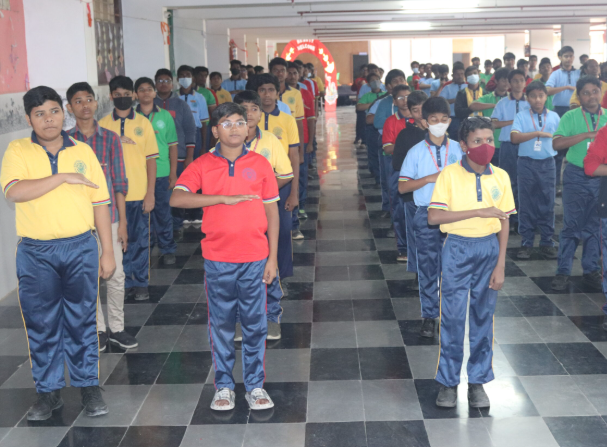
According to the circular, students may be encouraged to read the Preamble during the morning assembly on November 26. The exercise is expected to provide learners with an opportunity to understand the fundamental ideals of justice, liberty, equality and fraternity reflected in the constitutional document.
CBSE has also recommended that schools encourage students to identify and research members of the Constituent Assembly belonging to their respective districts or states. Learners may subsequently share information about the personalities and their contributions to the making of the Constitution.
The board has provided an online resource from the Lok Sabha website to support the research activity.
Creative Activities to Encourage Participation
Apart from academic exercises, CBSE has suggested several creative programmes to make Constitution Day celebrations more interactive.
Schools may organise poster-making and drawing competitions based on constitutional themes. Students can also be encouraged to design bookmarks, badges and collages inspired by the Constitution and its values.
These activities are intended to allow children to express their understanding of constitutional principles through art and creativity.
The board believes that combining classroom learning with participatory exercises can help students develop a stronger connection with the country’s democratic institutions and constitutional heritage.
Teachers may guide students in selecting themes related to fundamental rights, duties, equality, national unity, democratic participation and the functioning of constitutional institutions.
Such programmes can also provide an opportunity for schools to discuss the importance of respecting different opinions, protecting individual freedoms and understanding the responsibilities associated with citizenship.
CBSE has emphasised active student participation rather than limiting the occasion to formal speeches and routine institutional programmes.
NCERT Material to Support Learning
The circular also refers to a brief educational note prepared by the National Council of Educational Research and Training (NCERT).
The material provides information about the historical evolution of the Constitution and highlights some of the important personalities who played a role in shaping the document.
Schools can use the resource to help students understand the circumstances surrounding the framing of the Constitution and the contributions of members of the Constituent Assembly.
For younger learners, teachers may explain the process through classroom discussions, illustrated presentations and age-appropriate activities. Older students can undertake more detailed research into constitutional debates, the role of the drafting process and the contributions of different representatives.
The inclusion of historical material is significant because Constitution Day offers an opportunity to explain not only the final document but also the deliberations and efforts that went into its creation.
Students can explore how the Constituent Assembly brought together representatives from different regions and backgrounds to frame a constitutional framework for independent India.
They may also examine how the Constitution established the institutional structure of the country and provided a framework for the protection of citizens’ rights.
Participation Details to Be Submitted by November 27
CBSE has asked schools to submit details of the activities conducted during the celebrations.
According to the circular, participation information, along with geotagged photographs and videos of the programmes, must be uploaded through the designated online link by November 27, 2026.
The requirement is intended to document activities undertaken by affiliated institutions and provide information about the level of student participation.
Schools have therefore been encouraged to plan their programmes in advance and ensure that students from different classes receive opportunities to participate.
The board has circulated the instructions to the heads of affiliated schools and relevant educational authorities. The communication has also been shared with organisations such as Kendriya Vidyalaya Sangathan, Navodaya Vidyalaya Samiti and other school education bodies for wider dissemination.
The participation of different institutions is expected to help extend the celebrations across the country’s diverse school network.
Why November 26 Is Observed as Constitution Day
Constitution Day, also known as Samvidhan Divas, is observed every year on November 26 to commemorate the adoption of the Constitution of India by the Constituent Assembly on November 26, 1949.
The Constitution subsequently came into effect on January 26, 1950, marking the beginning of India as a republic.
The day provides an opportunity to remember the efforts of the Constituent Assembly and the individuals who contributed to preparing the constitutional framework of the country.
The Constitution establishes the principles governing India’s democratic system and defines the powers and responsibilities of various institutions. It also guarantees fundamental rights to citizens and outlines important duties and guiding principles for governance.
Observing the day in educational institutions is particularly important because schools play a central role in introducing young citizens to democratic values and constitutional responsibilities.
Through classroom discussions and special programmes, students can develop a better understanding of how constitutional provisions influence their everyday lives.
Importance of Constitutional Education in Schools
Constitutional awareness is an important component of citizenship education. Students who understand the country’s constitutional framework are better positioned to appreciate democratic institutions, individual freedoms and the responsibilities associated with public life.
Schools can use Constitution Day to explain the importance of equality before the law, freedom of expression, religious freedom and protection against discrimination.
Teachers can also discuss how the Constitution provides a framework for resolving differences through democratic and legal institutions.
The proposed activities offer students an opportunity to connect these principles with practical situations. For instance, discussions about equality can help explain the importance of treating people fairly, while lessons on fraternity can highlight mutual respect and national unity.
Research into members of the Constituent Assembly can further introduce students to the diversity of viewpoints involved in the making of the Constitution.
Creative competitions can reinforce these lessons by encouraging learners to communicate constitutional ideas through visual representation.
Role of Teachers in Making the Occasion Meaningful
The success of Constitution Day activities will depend considerably on the involvement of teachers and school administrations.
Educators can ensure that students do not treat the celebrations merely as a ceremonial exercise. Instead, they can use the occasion to initiate meaningful conversations about constitutional values and their relevance in contemporary society.
Teachers may organise group discussions, short presentations and classroom debates to encourage learners to express their views.
Students can also be assigned research projects on important constitutional personalities and institutions. Such exercises can help develop research skills, communication abilities and historical understanding.
Schools may consider involving students from different age groups so that the activities remain inclusive and accessible.
CBSE’s suggestions provide institutions with flexibility to select programmes suited to their facilities and student populations.
The November 27 submission deadline also means schools will need to maintain proper records of the activities and upload the required participation details within the stipulated period.
Through the initiative, the board seeks to make Constitution Day a learning opportunity that extends beyond the school assembly and encourages students to understand the values underpinning India’s democratic system.

