


Central Government Affirms Robust Mechanism for Regulating Media Channels, Disputes Statutory Void in Supreme Court Response
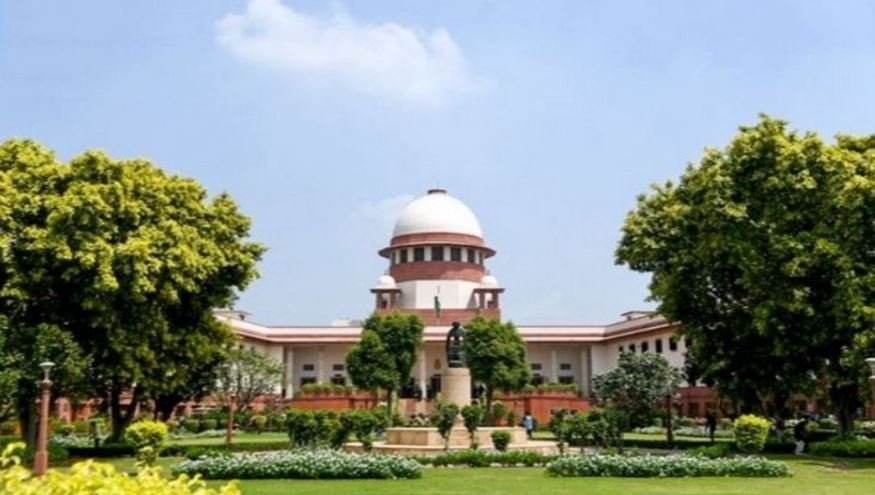
19-09-2023 : The Central Government has affirmed its stance to the Supreme Court that there is no statutory void when it comes to regulating media channels and that a robust mechanism is firmly in place for overseeing the content of private television channels. In an affidavit submitted before the highest court, the Ministry of Information and Broadcasting has underscored the government’s commitment to safeguarding journalistic freedom and fostering a culture of self-restraint and self-regulation within the realm of journalism.
The government’s approach aims to ensure that media organizations and journalists acknowledge their significant roles and responsibilities in society, thereby raising the standards of their professional conduct through self-imposed methods. This approach, according to the government, is intended to minimize government intervention in media operations, except in matters of national security, where statutory mechanisms become relevant.
The affidavit stated, “There is no statutory vacuum, in so far as regulation of the broadcast of irresponsible reporting and grievance redressal mechanism for the viewers is concerned. It is respectfully submitted that the answering respondent has a robust mechanism of regulation of the content of private television channels as laid down under the Cable Television Networks (Regulation) Act and the rules framed thereunder. As such, the Central Government, since inception, has purposefully imposed a self-restraint on itself and has adopted a regime of forbearance so as to promote a mechanism of self-regulation by media houses and journalists.”
This affidavit was filed in response to a petition brought forth by the News Broadcasters and Digital Association (NBDA) challenging the Bombay High Court’s observations from January 2021. The high court had characterized media trials as contempt of court and urged the press not to transgress the metaphorical “Lakshman Rekha.” It had found certain news channels’ coverage of actor Sushant Singh Rajput’s death case as “contemptuous” and pointed out that the existing self-regulatory frameworks could not be equated with statutory mechanisms.
The Ministry of Information and Broadcasting contended in the affidavit that its approach had been misconstrued by voluntary federations like the News Broadcasters Association (NBA), now known as the News Broadcasters & Digital Association (NBDA). These organizations argued that instead of statutory regulations independently framed by the central government under the Cable Television Networks (Regulation) Act, the government should recognize them as the sole authority in the domain of news broadcasting. They effectively sought a monopolistic right over the grievance redressal mechanism for the entire industry through their in-house self-regulatory framework.
The affidavit provided details on the number of registered and licensed news channels and non-news channels under the government’s uplinking and downlinking policy guidelines as of August 31, 2023. It indicated that there are 394 news channels and 511 non-news channels, including entertainment, sports, and devotional channels, under government registration and licensing.
Regarding general entertainment channels, the affidavit highlighted the presence of the Indian Broadcasting Foundation (IBF) with 313 members as of April 2023. The IBF has established the Broadcasting Content Complaints Council (BCCC) as a self-regulatory mechanism to examine complaints related to content broadcast by this category of broadcasters. Justice (Retd.) Gita Mittal, former Chief Justice of the Jammu & Kashmir High Court, serves as the Chairman of the Broadcasting Content Complaints Council.

