


China Accelerates High-Tech Ambitions Amid Growing US Rivalry
Beijing Prioritizes Innovation, Defence, and AI to Strengthen Security and Self-Reliance
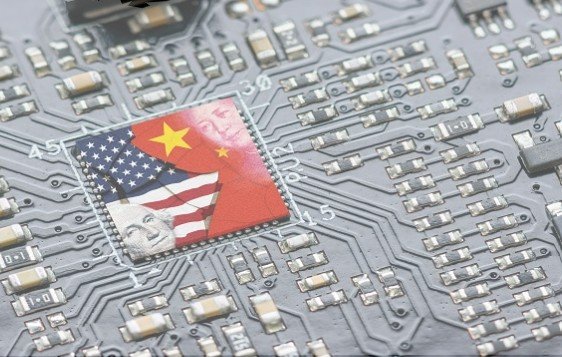
China, Mar 05 : China on Thursday announced plans to deepen investment in high-tech industries and scientific innovation, highlighting them as crucial for national security and economic self-reliance in the context of escalating tensions with the United States.
At the opening of the annual parliamentary session, Premier Li Qiang stressed China’s resilience against past U.S. tariffs while noting that “multilateralism and free trade are under severe threat.” Li unveiled a 7% increase in both the national defence budget and research and development (R&D) spending to accelerate technological advancement.
Economic Growth Targets and Industrial Upgrades
China set its 2026 GDP growth target at 4.5%-5%, slightly lower than last year’s 5% growth. The lower target allows Beijing to address overcapacity and weak domestic demand while continuing to modernize its industrial base, ensuring supply chain leverage over Washington and its allies.
Premier Li warned of persistent risks, citing the property sector downturn and strained local government finances. Analysts suggest the country aims for a “controlled glide” in growth, focusing on technology and advanced manufacturing as the next engine of development.
Five-Year Plan Focus: AI, Semiconductors, and Core Digital Economy
The 15th Five-Year Plan emphasizes innovation across AI, semiconductors, farm biotechnology, biomedicine, and machine tools. China aims to raise the value-added contribution of “core digital economy industries” to 12.5% of GDP and implement a national AI security risk framework. R&D spending is set to increase by 40% over the plan period, reinforcing President Xi Jinping’s vision of creating “new productive forces.”
Stimulus and Social Support
China plans to maintain a 4% budget deficit, with central and local government special debt quotas unchanged at 1.3 trillion yuan and 4.4 trillion yuan, respectively. Social measures include raising minimum monthly pensions, increasing rural medical insurance subsidies, expanding education funding, subsidizing childcare, and reforming public hospitals. Analysts, however, argue that these initiatives are secondary to industrial and technological priorities, with state policy favoring companies over households.
Strategic Implications Amid Geopolitical Uncertainty
China’s focus on innovation coincides with heightened geopolitical tensions, including potential disruptions in energy and trade caused by U.S.-Israeli military actions in the Middle East. Economists note that Beijing’s approach balances slow economic rebalancing with aggressive support for high-tech sectors, signaling the country’s determination to maintain strategic autonomy in the global technology and industrial landscape.

