


CJI Surya Kant Declines NALSAR Convocation Invite Amid Student-BCI Dispute
CJI says he never consented to attend ceremony as controversy grows over students’ objections and BCI intervention
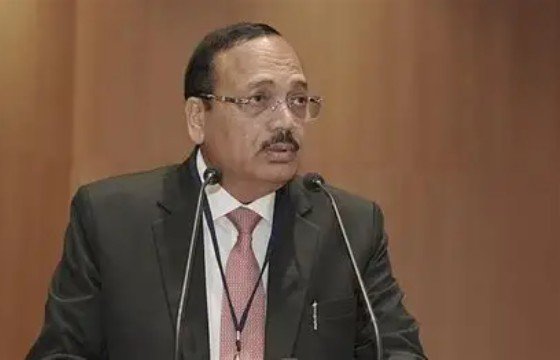
NEW DELHI, Aug 17: Chief Justice of India Surya Kant has declined an invitation to attend the upcoming convocation of NALSAR University of Law as chief guest, amid a controversy involving student opposition and the subsequent intervention of the Bar Council of India (BCI).
Speaking to The Times of India after addressing vice-chancellors of national law universities in Jodhpur, Justice Kant said he had never agreed to attend the Hyderabad-based university’s convocation.
“I never consented to Nalsar’s invitation,” he said, adding that the question of his attending the ceremony therefore did not arise.
NALSAR had confirmed earlier that Justice Kant had been invited as the chief guest for the convocation, which is expected to take place in late August or September, in line with the institution’s tradition.
The invitation came under scrutiny after more than 400 students, out of around 1,400 at the university, reportedly opposed his presence. The students cited remarks made during proceedings concerning petitions related to a student march to Parliament on July 20 and allegations of excessive police action against protesters.
A Supreme Court bench headed by Justice Kant is hearing petitions seeking an independent inquiry into the alleged police excesses. The pleas include allegations concerning the use of pellet guns and facial-recognition technology to identify or profile students, raising questions about privacy and fundamental rights.
The bench is also considering a petition filed by relatives of injured police personnel seeking action against individuals they described as “criminal elements” who allegedly infiltrated the student agitation and were responsible for violence and damage to public property.
The disagreement over Justice Kant’s proposed appearance at the NALSAR event appears to have been influenced partly by proceedings on July 22. On that day, an advocate urged the Supreme Court to take suo motu cognisance of alleged police excesses against protesters and offered to show video footage of the incidents.
The bench declined to initiate proceedings without a formal petition and asked the advocate to place his allegations before the court through the appropriate legal process. When he continued requesting that the videos be viewed without filing supporting documents, Justice Kant, referring to the court’s workload, asked him to follow the established procedure.
Subsequently, petitions raising similar allegations were filed before the court and taken up for consideration. The Supreme Court directed police authorities not to take coercive action against students and ordered the preservation of video and CCTV footage connected with the incidents.
The court has also sought suggestions regarding an independent inquiry and considered the possibility of establishing a commission to frame nationwide guidelines for proportionate police action during protests that escalate into violence.
The controversy surrounding the convocation intensified after BCI chairperson Manan Kumar Mishra wrote to the NALSAR vice-chancellor seeking an inquiry into students who had opposed the invitation to Justice Kant. The letter also warned that those involved could face consequences relating to their registration as advocates.
The BCI later withdrew the communication following criticism and expressed regret over the intervention.
The Supreme Court has since sought a response from the BCI while questioning the regulator’s involvement in a matter concerning the CJI and students of a law university.
With Justice Kant now making clear that he had not accepted NALSAR’s invitation, his participation in the forthcoming convocation has effectively been ruled out.

