


Collective Growth Roadmap of J&K
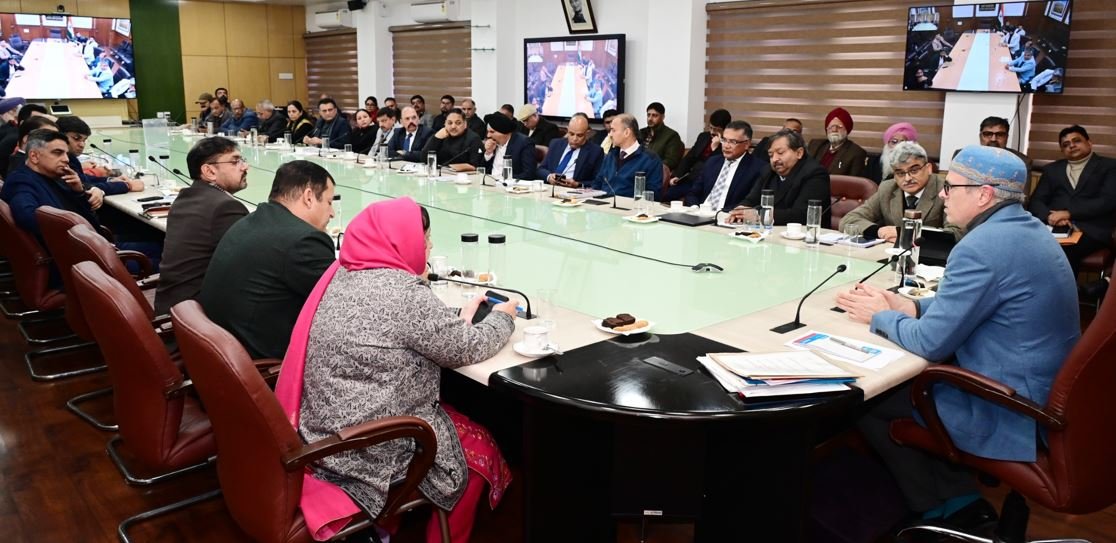
Participatory budget-making has gradually come to be recognized as one of the most thoughtful and people-centric approaches to governance, as it allows citizens and stakeholders to contribute meaningfully to decisions that shape public priorities. In Jammu and Kashmir, the ongoing pre-budget consultations ahead of the Budget 2026–27 reflect a conscious effort by the government to deepen this inclusive tradition. By engaging representatives from industry and trade, tourism, education, agriculture, youth affairs, and several other sectors, the administration has sought to create a broad platform for dialogue, ensuring that diverse voices find space in the policy-making process.
A budget is much more than a financial statement. It is a reflection of a government’s vision for social and economic development and a roadmap for addressing the aspirations of the people. When stakeholders are invited to share their experiences and suggestions, policy formulation becomes more grounded in reality. These interactions help bridge the distance between administrative assessments and the everyday challenges faced by communities, businesses, and institutions. They also encourage a sense of shared ownership, where development is viewed as a collective endeavour rather than solely a governmental responsibility. The consultations in Jammu have demonstrated how different sectors bring valuable perspectives to the table. Industrial and trade bodies have spoken about the importance of supporting existing enterprises while creating conditions that attract new investment. Tourism stakeholders have highlighted the need for better infrastructure, connectivity, and destination development to unlock the region’s full potential. Voices from education and youth organisations have emphasised skill development, innovation and employment generation as key pillars for long-term progress. Together, these inputs contribute to a more comprehensive understanding of the Union Territory’s developmental landscape. Such structured engagement reflects a gentle but significant shift towards cooperative governance. It recognises that effective policy-making benefits from partnership between the state and society. When people feel heard, trust in institutions grows, and this trust, in turn, strengthens the social contract. Over time, it can lead to smoother implementation of policies and greater public cooperation, both of which are essential for achieving meaningful outcomes. Another positive aspect of participatory budgeting is its potential to support balanced and responsible fiscal planning. While stakeholders naturally place emphasis on their sectoral needs, these discussions also help clarify priorities and explore practical solutions within available resources. This can assist the government in designing budgets that are both development-oriented and fiscally prudent, aligning ambition with feasibility. For Jammu and Kashmir, inclusive budgeting holds particular significance. The region is working to consolidate economic recovery while laying the foundation for sustained growth. Supporting micro, small, and medium enterprises, revitalizing tourism, strengthening agriculture, and investing in education and skills are interconnected goals that require coordinated planning. Pre-budget consultations provide an opportunity to integrate these priorities into a coherent strategy that addresses both immediate concerns and long-term objectives. It is equally important that the spirit of consultation extend beyond the formulation stage. Transparent communication about how stakeholder suggestions have been considered and regular engagement during implementation can further enhance confidence in the process. When people see that their inputs lead to tangible action, even in small ways, it reinforces the value of participation and encourages continued constructive dialogue. Consultative practices also benefit from continuity. Rather than being limited to the budget cycle, ongoing sector-specific interactions can help the government stay responsive to changing circumstances. This approach nurtures a culture of listening and learning, which is essential in a dynamic socio-economic environment.
The pre-budget consultations for 2026–27 in Jammu and Kashmir, therefore, represent a promising step towards more inclusive and responsive governance. While no single process can resolve all challenges, sustained stakeholder engagement can significantly improve the quality of decision-making. It creates space for collaboration, builds mutual understanding, and helps align policy choices with the real needs of the people.

