


Dialogue, Diplomacy Key to Resolving Water-Sharing Issues With India: Bangladesh Minister
State Minister Humaiun Kobir stresses political will and regional cooperation as discussions continue on transboundary rivers and the Ganges Water Sharing Treaty.
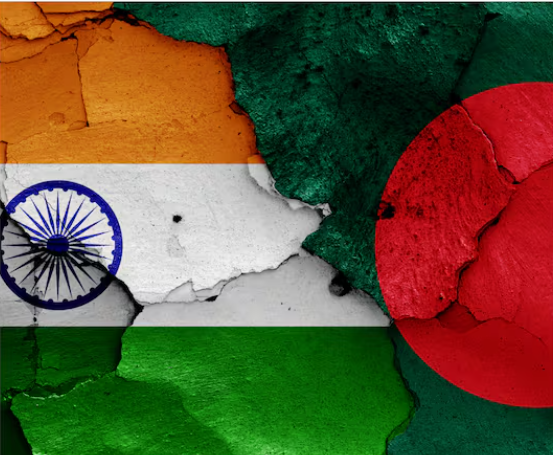
DHAKA, Oct 8: Bangladesh State Minister for Foreign Affairs Humaiun Kobir on Thursday said dialogue and diplomacy were essential to resolving long-standing water sharing issues with India, emphasising the need for political commitment and cooperation from both countries.
Speaking to reporters after attending a seminar titled ‘Rethinking Water Futures: Youth Leadership, Justice and Cooperation’ in Dhaka, Kobir said negotiations should take international law into account.
” It is only through discussion, dialogue, and diplomacy that these matters will have to be resolved,” he said, adding that international legal principles were also being considered.
On transboundary rivers and the future of the Ganges Water Sharing Treaty, the minister said discussions between the two neighbours were continuing and should contribute to stronger regional cooperation.
Kobir expressed confidence that an amicable settlement could be achieved if both sides demonstrated sincerity and a willingness to work together. He highlighted the importance of cooperation among senior officials, political leaders and water negotiators.
He also said Bangladesh had established a committee to examine the relevant issues, while India was reviewing them through its own mechanisms.
The minister maintained that constructive engagement and a willingness to move forward would be crucial to reaching a mutually acceptable agreement.
Bangladesh and India share 54 transboundary rivers, with water-related matters addressed through the Joint Rivers Commission.
The Teesta water-sharing dispute has remained a longstanding challenge in bilateral relations. It is separate from the Ganges Water Sharing Treaty, which the two countries signed in 1996 for a period of 30 years. The agreement is due to expire in December 2026.
In August, Bangladesh Water Resources Minister Shahiduddin Chowdhury Anee said Dhaka did not want disagreements over the Teesta agreement to damage its friendly relations with New Delhi.
Describing India as a friendly neighbour, Anee stressed that both countries should recognise each other’s interests and work towards a solution that respects their respective concerns.
He said Bangladesh wanted to preserve its cordial ties with India while pursuing its own water-sharing interests.

