


Diljit Dosanjh’s Delhi Concert Cleared After Security Review, Organisers Told to Strengthen Crowd Management
Police approve the October 30 show at Jawaharlal Nehru Stadium following fresh arrangements involving up to 2,000 security personnel, pedestrian zones, parking facilities and traffic coordination.
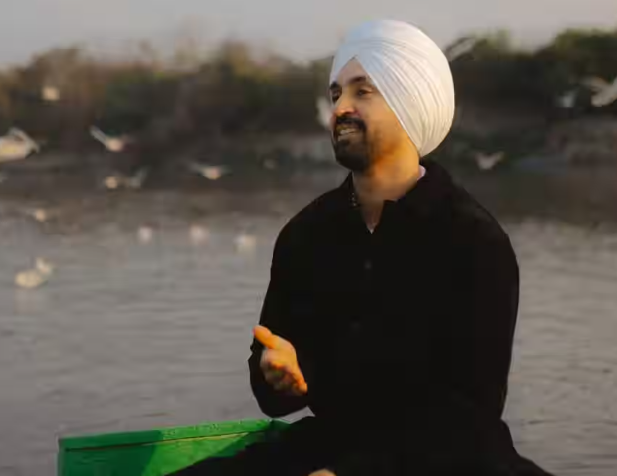
NEW DELHI, Oct 24: Punjabi singer and actor Diljit Dosanjh’s scheduled concert at Jawaharlal Nehru Stadium in the national capital has received clearance from Delhi Police after organisers agreed to strengthen security, traffic management and crowd control arrangements.
The concert, scheduled for October 30, had faced uncertainty after police initially withheld permission over concerns about the proposed arrangements and potential security threats. Approval was granted on Friday following discussions between police officials and the event organisers, according to reports published on October 23 and 24.
The decision came as a relief for fans who had been preparing to attend the performance and for the wider event industry, which had faced the possibility of a last-minute disruption.
Police officials said the organisers’ initial proposal to deploy around 400 private security personnel did not adequately address the requirements of an event expected to draw a large audience. Authorities subsequently called for substantially more personnel to manage queues, assist concertgoers and regulate movement around the stadium.
Under the revised arrangements, approximately 1,500 to 2,000 private security personnel are expected to support crowd management and related operations. The measures are intended to improve access to entry gates, reduce congestion and facilitate the movement of people before and after the performance.
Crowd management becomes a priority
Jawaharlal Nehru Stadium has a stated capacity of around 55,000, making crowd control a central consideration for the concert.
Officials have emphasised the need for sufficient staff at entry and exit points, designated pedestrian routes and help kiosks at important locations. These arrangements are intended to prevent confusion among attendees, particularly during peak arrival and departure periods.
The organisers have also been asked to arrange additional parking facilities in adjoining areas for visitors arriving by private vehicles.
A pedestrian-only and no-car zone extending approximately 500 to 700 metres around the venue is being planned. Only authorised vehicles, including those associated with the performer and event operations, would be permitted inside the restricted area.
The restrictions are designed to reduce vehicle movement near the stadium and provide more space for people entering and leaving the venue.
Police have also stressed the importance of advance communication with ticket holders. Clear information about entry gates, parking locations, drop-off points and traffic restrictions can help reduce uncertainty and prevent large groups from gathering at the wrong locations.
Security concerns prompt additional precautions
The initial refusal to grant permission was linked to security concerns and information about possible threats. Authorities have since reviewed the organisers’ proposals and agreed to the event after additional arrangements were presented.
Reports also referred to threats reportedly issued by pro-Khalistani groups. Officials are taking precautions to protect the singer, concertgoers, event workers and other people associated with the programme.
Separately, Mumbai Police launched an investigation after Dosanjh received a threatening email concerning his November 27 concert at Mahalaxmi Racecourse in Mumbai. The reported threat raised further concerns about the security requirements surrounding the singer’s upcoming performances.
These developments have placed additional emphasis on coordination between event organisers, local authorities and security agencies.
Large concerts require planning that extends beyond the immediate stage area. Authorities must account for access roads, public transport, emergency response, parking and the movement of people through surrounding neighbourhoods.
The revised plan is intended to address these issues before the Delhi performance takes place.
Diljit responds after clearance
Dosanjh reacted to the approval during an Instagram Live session, confirming that the Delhi concert would proceed as scheduled.
He criticised people who had circulated claims about the event without first establishing the facts and said he looked forward to performing in the capital on October 30.
The singer’s response followed widespread discussion about the initial denial of permission. BookMyShow, the event’s ticketing partner, also clarified that reports suggesting the concert had been cancelled were inaccurate.
The company said permission had been temporarily withheld pending additional safety, traffic and crowd-management measures. It added that the organisers had held discussions with Delhi Police and presented a revised plan addressing the authorities’ requirements.
The clarification helped resolve uncertainty among ticket holders, although concertgoers will still need to follow official instructions about travel, entry and security checks.
Concert economy extends beyond the performer
The episode also highlighted the financial importance of large live events. A concert of this scale involves spending on stage construction, lighting, sound systems, technical equipment, transport, staffing, venue infrastructure and promotional activities.
Event management companies, production vendors, hospitality businesses, food suppliers and transport operators may all depend on the successful delivery of such programmes.
A cancellation or postponement close to the event date can leave organisers with expenses that are difficult to recover. Equipment and workers may already have been booked, while suppliers may have committed resources that cannot easily be transferred to another project.
Ticketing companies could also face the administrative burden of refunds and customer complaints if an event is cancelled.
For fans travelling from outside Delhi, disruption can create additional costs involving transport and accommodation. Such considerations have made the reliability of event permissions and communication increasingly important for India’s growing live-entertainment industry.
The Delhi clearance therefore matters not only to Dosanjh and his audience but also to the businesses supporting the performance.
Transport planning and coordination
Police have urged the organisers to communicate parking and traffic arrangements to attendees in advance. Coordination with cab aggregators and navigation platforms has also been recommended to improve pick-up and drop-off management and direct visitors towards designated routes.
Authorities have encouraged measures that can reduce the number of private vehicles approaching the stadium. Public transport may help ease congestion, particularly around arrival and departure times.
Concertgoers will need to allow sufficient time for security checks and follow the instructions issued by the organisers and police. Arriving early and using designated entry points could help reduce bottlenecks.
The final arrangements will depend on coordination among the relevant agencies and the organisers as the event date approaches.
A significant date on the Aura India Tour
The Delhi performance is part of Dosanjh’s ongoing Aura India Tour, which is scheduled to visit several cities, including Indore, Ahmedabad, Mumbai, Bengaluru and Chandigarh.
The tour reflects the growing popularity of Punjabi music and the increasing scale of live performances by Indian artists. Such events attract audiences across linguistic and regional boundaries, while creating opportunities for production companies and local service providers.
Delhi remains an important market for major concerts because of its large population and regional reach. However, hosting high-attendance events requires suitable venues, effective crowd management and a predictable approval process.
The recent uncertainty surrounding the concert has drawn attention to the need for organisers to address security requirements well before an event date. Early coordination can help authorities assess risks and give organisers sufficient time to make adjustments.
Focus shifts to October 30
With police clearance secured, preparations are continuing for the concert at Jawaharlal Nehru Stadium. The priority now is to ensure that the revised security and traffic plans are implemented effectively.
The deployment of additional personnel, restricted vehicle movement, dedicated pedestrian routes and improved visitor information will be central to managing the expected turnout.
For fans, the approval means the show is scheduled to go ahead, subject to compliance with the prescribed arrangements and any subsequent official instructions.
The episode serves as a reminder that successful live performances depend on more than ticket demand and the artist’s popularity. Coordination among police, organisers, transport providers and venue staff is essential to ensure that large gatherings take place safely and smoothly.

